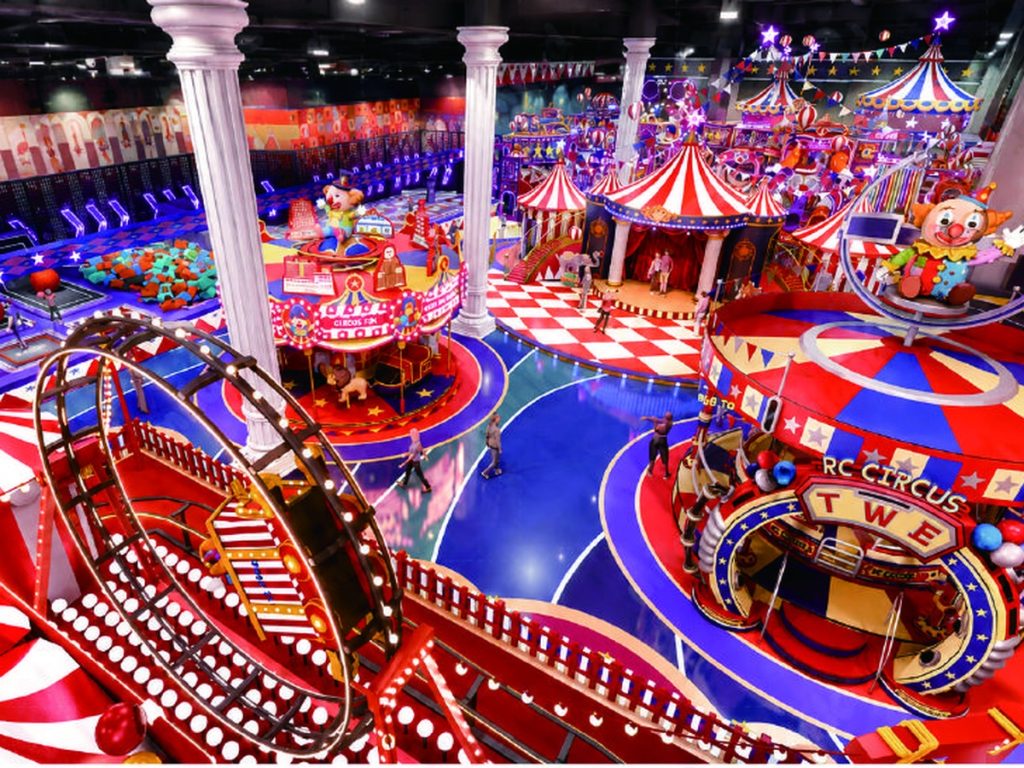
Theme Park Ride Master Plan
Site-specific master plan covering children, family, thrill, observation and non-powered zones. The package is engineered from land area, visitor flow, investment budget and pha…
View specification →
Global attraction portfolio
Compare attractions by guest profile, venue format, capacity and technical requirement. Use the filters to narrow the portfolio, then request a project consultation for pricing, footprint and delivery planning.
How to choose
Signature solutions are turnkey mixes for a defined venue format. Flagship rides are the highest-value, highest-demand anchors. Advantage products are strong regional performers. Recommended products are cost-effective entry and secondary attractions. Parts & service covers installation, training and spare parts. The badge on each card shows the classification.
Site-specific master plan covering children, family, thrill, observation and non-powered zones. The package is engineered from land area, visitor flow, investment budget and pha…
View specification →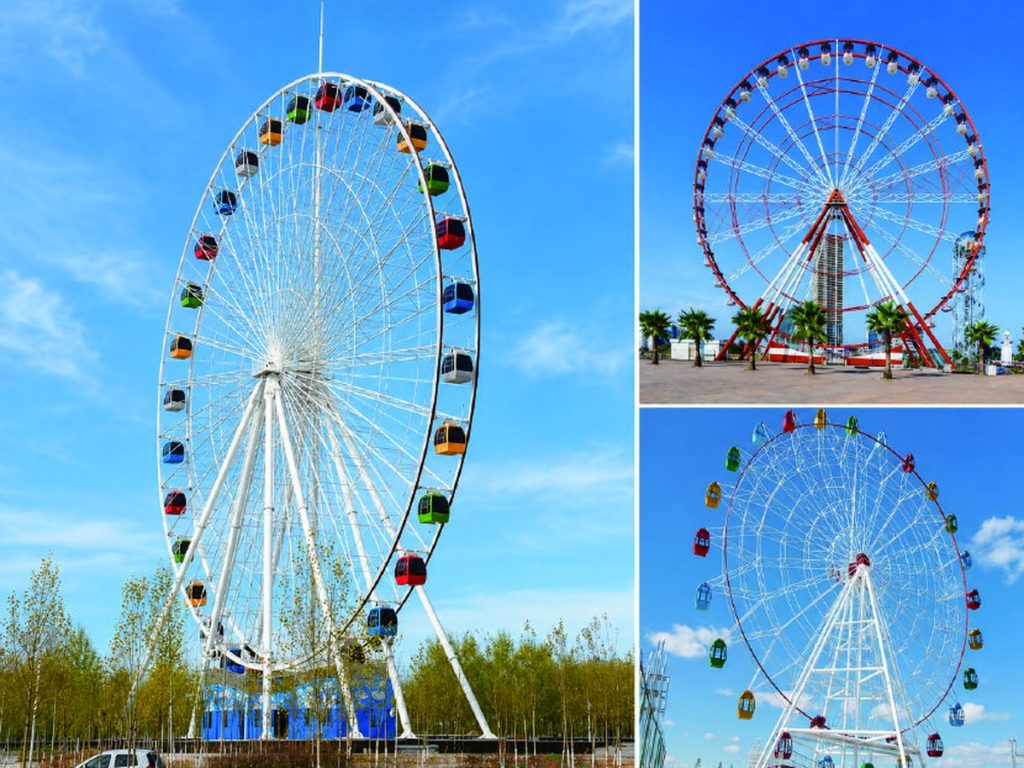
Configured for 10,000-50,000 m2 scenic sites. The mix combines observation, family, children, photo-friendly and phase-two expansion equipment with low-impact site planning.
View specification →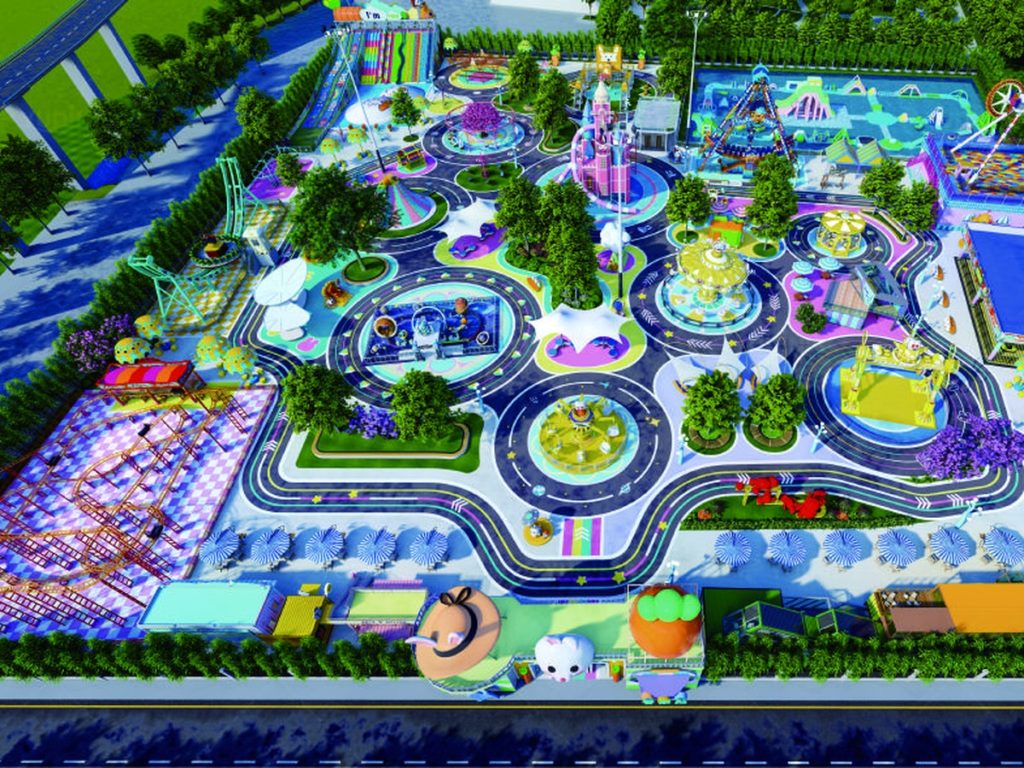
Recommended for 1,000-10,000 m2 family entertainment venues. The package is tiered by budget and balances parent-child, family and mild-thrill attractions.
View specification →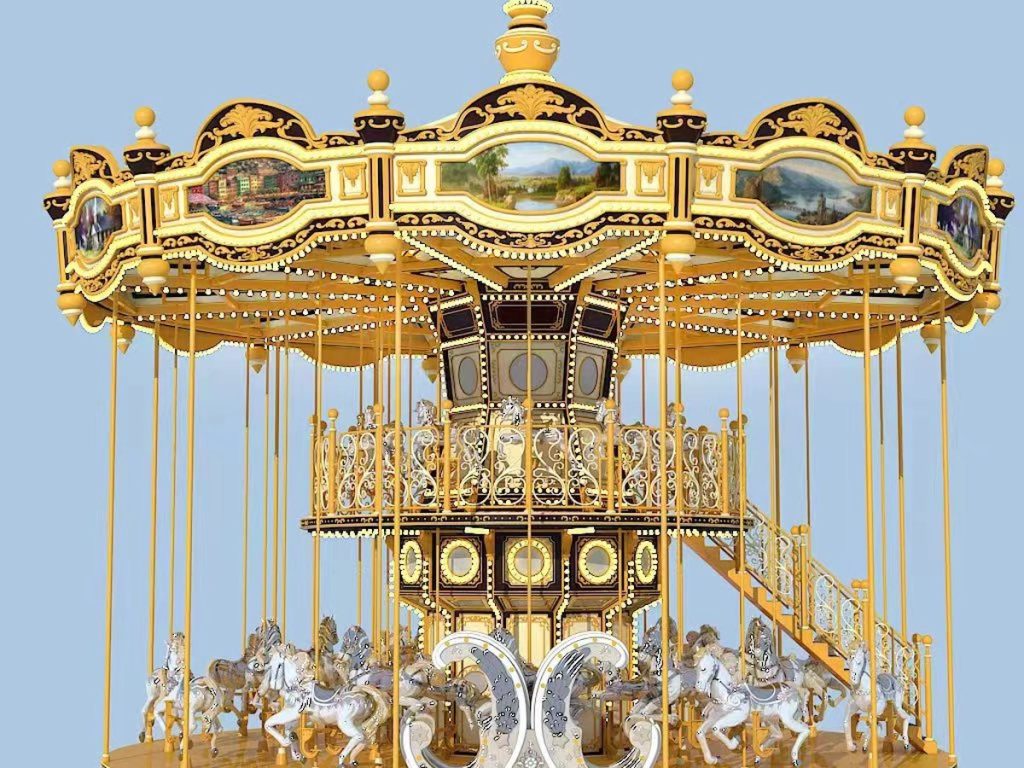
36, 48, 68 or 72 seats; starting diameter approximately 10.8 m and starting height approximately 8.3 m. FRP horses, LED lighting and steel platform with European, fantasy or hol…
View specification →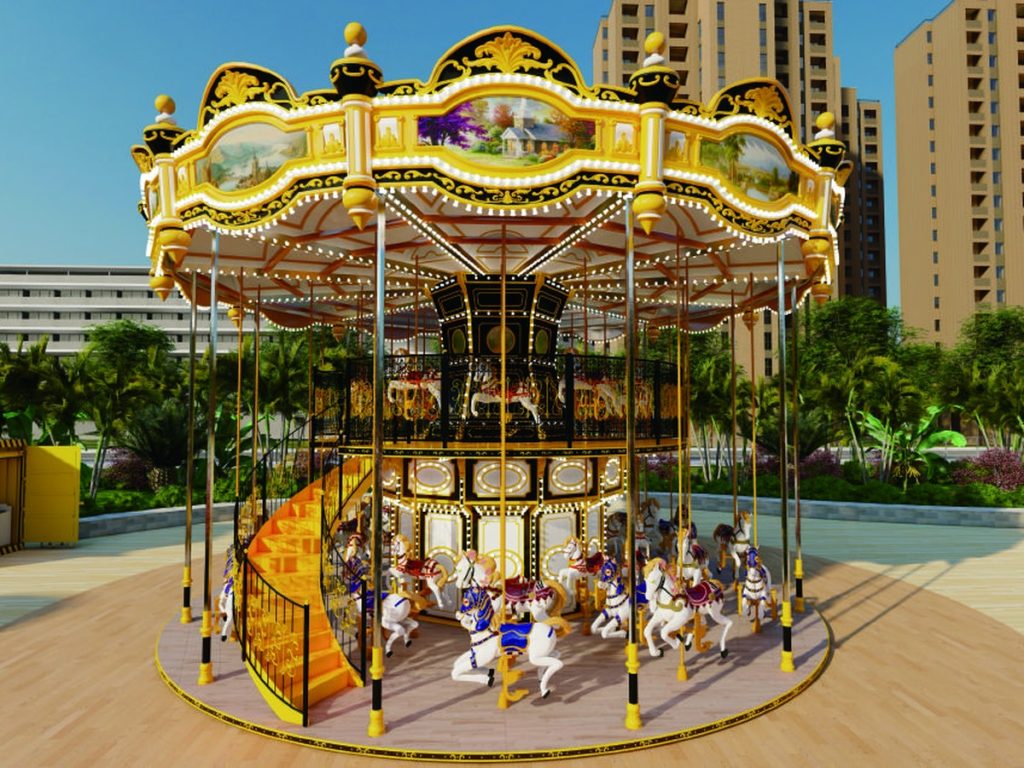
24, 30, 36 or 48 seats; steel structure with FRP decoration. Drive power is configured by seat count and diameter and is suitable for indoor or outdoor installation.
View specification →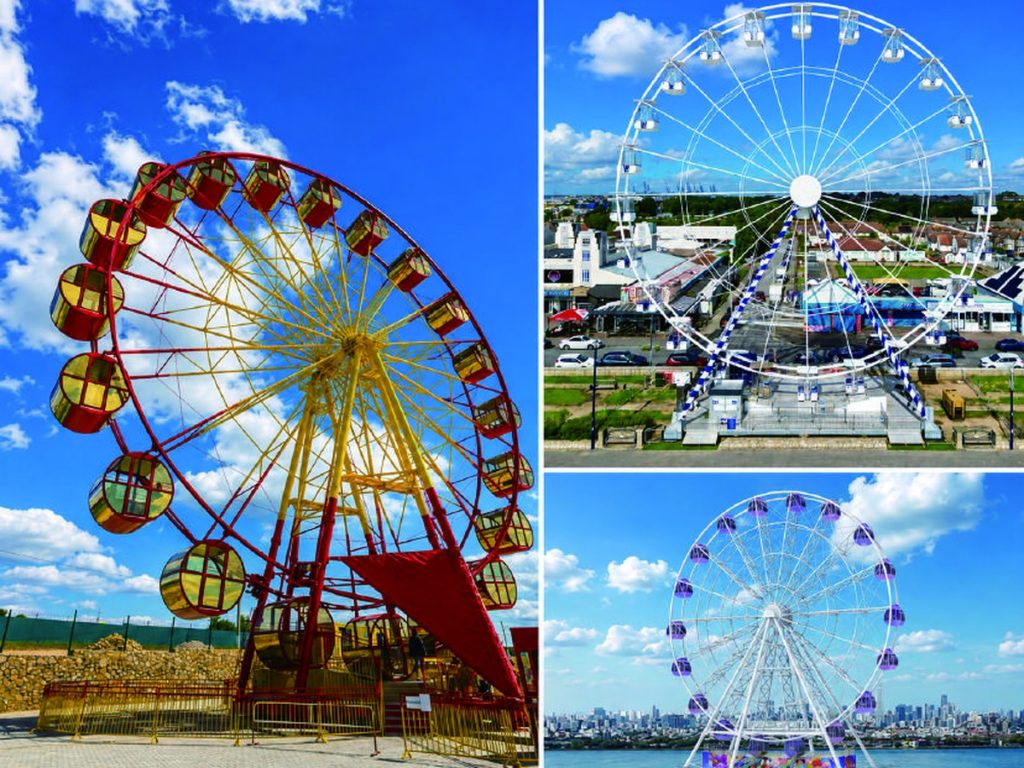
Common heights from 20 m to 88 m and project-specific options to 120 m. Cabin quantity, LED lighting, drive system and foundation are engineered to the site.
View specification →
24 or 40 seats. The 24-seat model is approximately 10 m high; the 40-seat model occupies approximately 18 m x 9 m. Swing angle is about 50-60 degrees, 380V, with reference power…
View specification →
24 or 36 seats. The 36-seat model occupies approximately 20 m diameter and is about 9.2 m high with 50 kW reference power; the 24-seat model occupies about 12 m diameter and is …
View specification →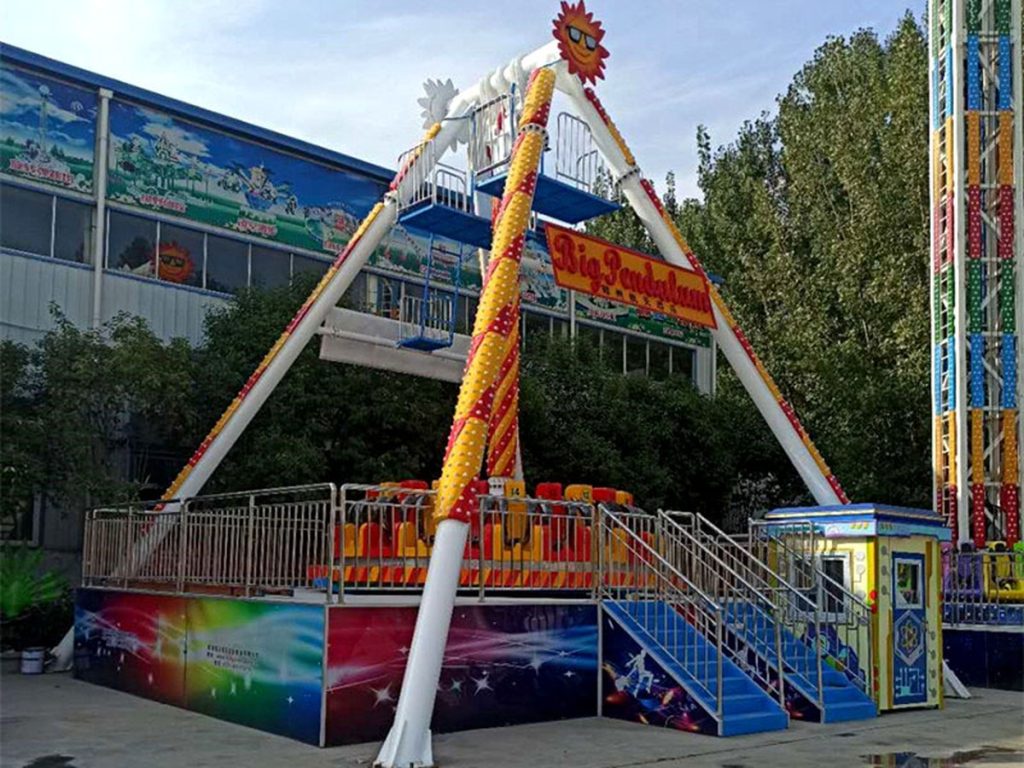
42-seat reference configuration; static height 18.8 m and dynamic height 28 m; swing angle +/-110 degrees; approximately 305 kW; footprint about 25 m x 21 m; theoretical through…
View specification →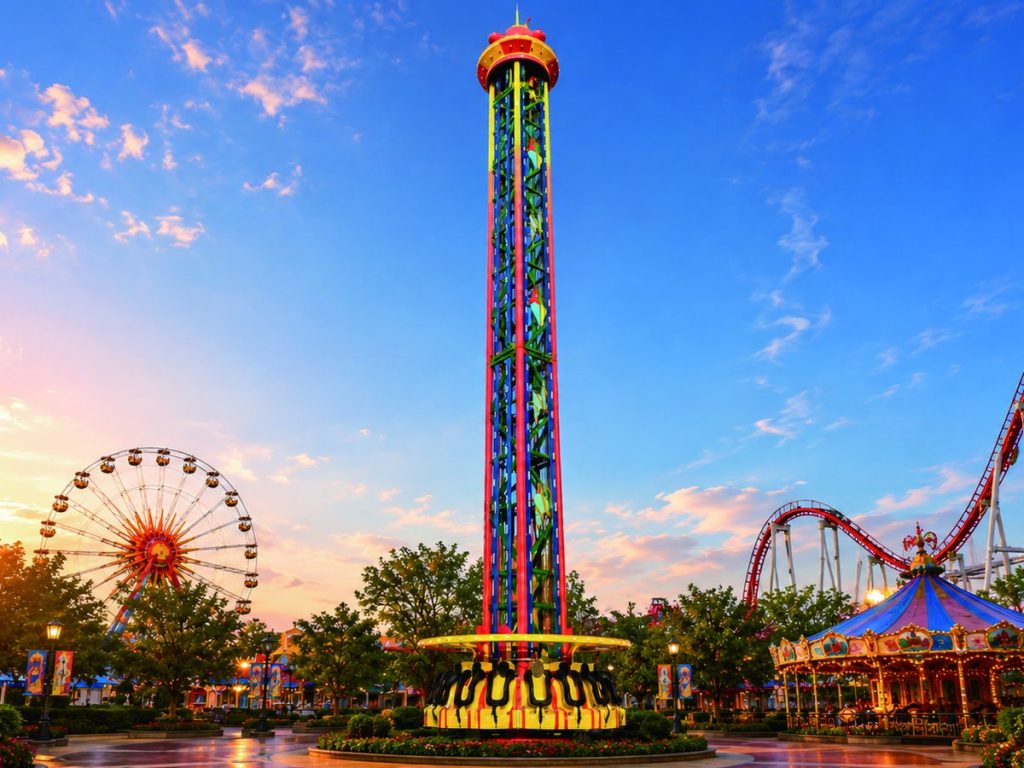
65 m reference height; operating height approximately 52 m; 36 passengers; approximately 9.8 rpm; approximately 250 kW; requires foundation and wind-load verification.
View specification →
63 m reference height; footprint approximately 15 m x 15 m; 32 passengers; approximately 520 kW; safety brake and PLC control system.
View specification →
Track length, train count and height are site-configurable for family speed ranges. Steel track with FRP body; suitable for theme parks, children's parks, scenic areas and outdo…
View specification →
Common 16-24 seats; track length and footprint are customizable; low-speed parent-child configuration; themed nose and track color can be customized.
View specification →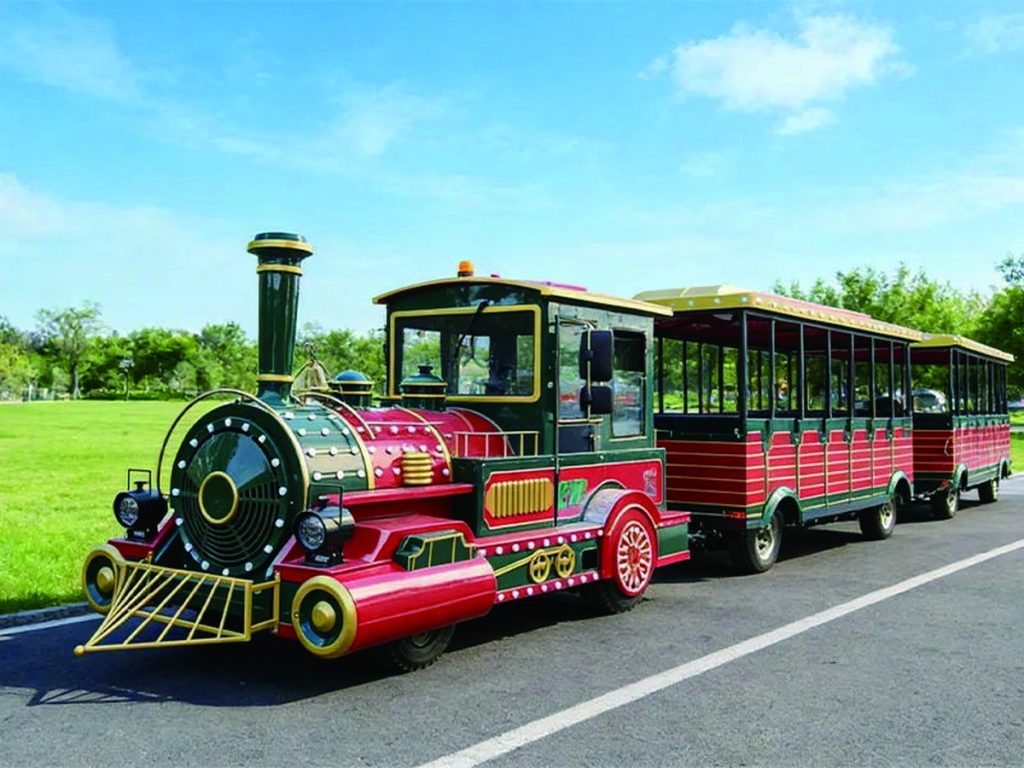
40, 56 or 70 seats; electric or fuel options; retro, fairy-tale or scenic themes; designed for park roads and controlled routes.
View specification →
Indoor or outdoor; battery, ceiling-grid, floor-grid or gridless power supply; vehicle count configured by floor area; high floor-flatness requirement.
View specification →
24-seat reference; platform approximately 8 m x 4.5 m; footprint approximately 10 m x 10 m x 7 m; approximately 28 kW; synchronized music and lighting.
View specification →
27 or 36 seats; approximately 9 m diameter and 11 m footprint; approximately 11 kW; nine-cup reference structure.
View specification →
Common 8-16 arms with lift control; footprint and height configured by model; designed for young children.
View specification →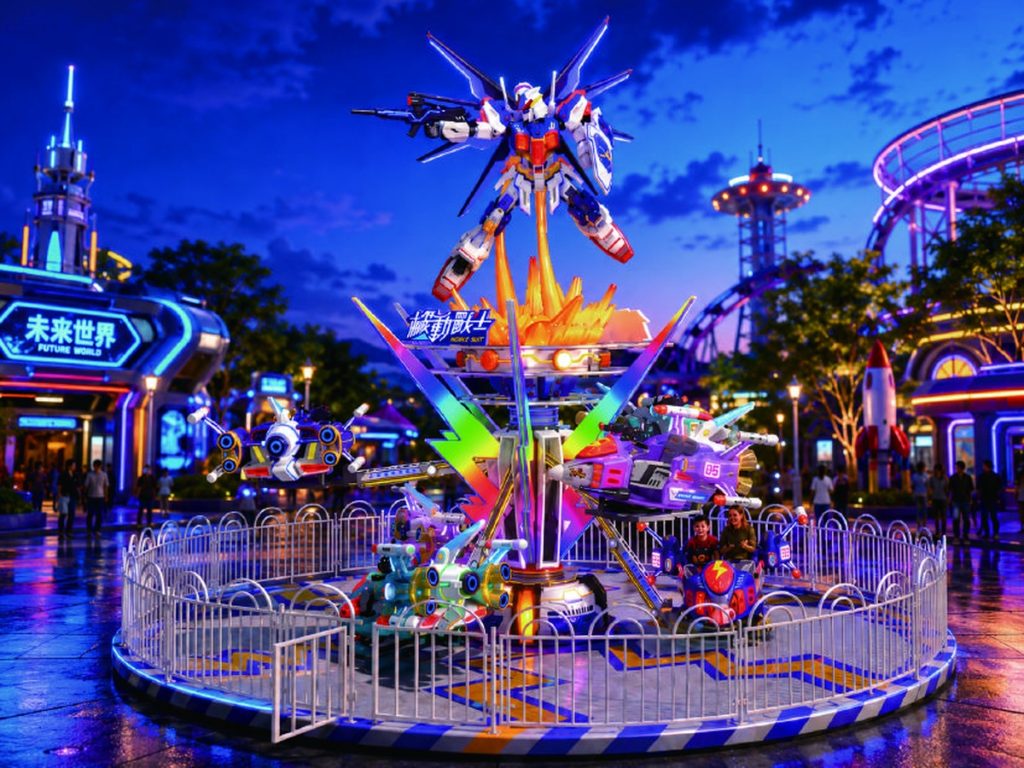
Common 6-12 seats; small vertical lift; suitable for indoor or outdoor use; low-height children's thrill experience.
View specification →
Track length and vehicle capacity are customizable; low-speed shuttle operation; themed body available.
View specification →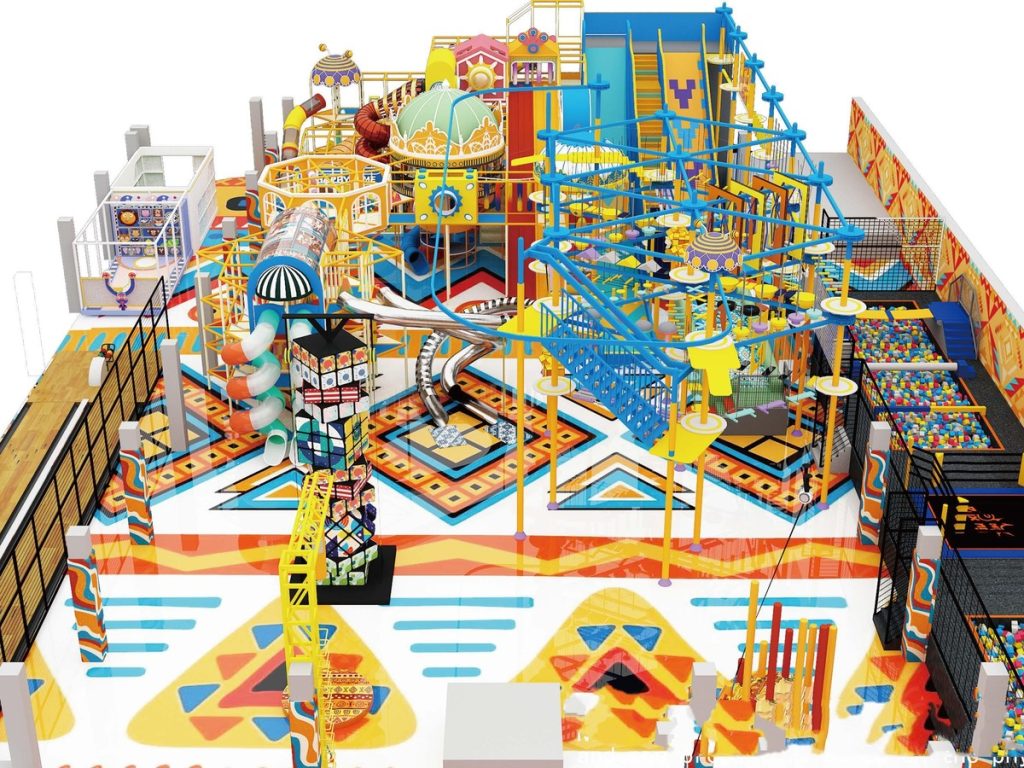
Climbing, slides, rope nets, balance, obstacle and themed tower elements. Steel structure with timber, rope net and plastic components, configured to site.
View specification →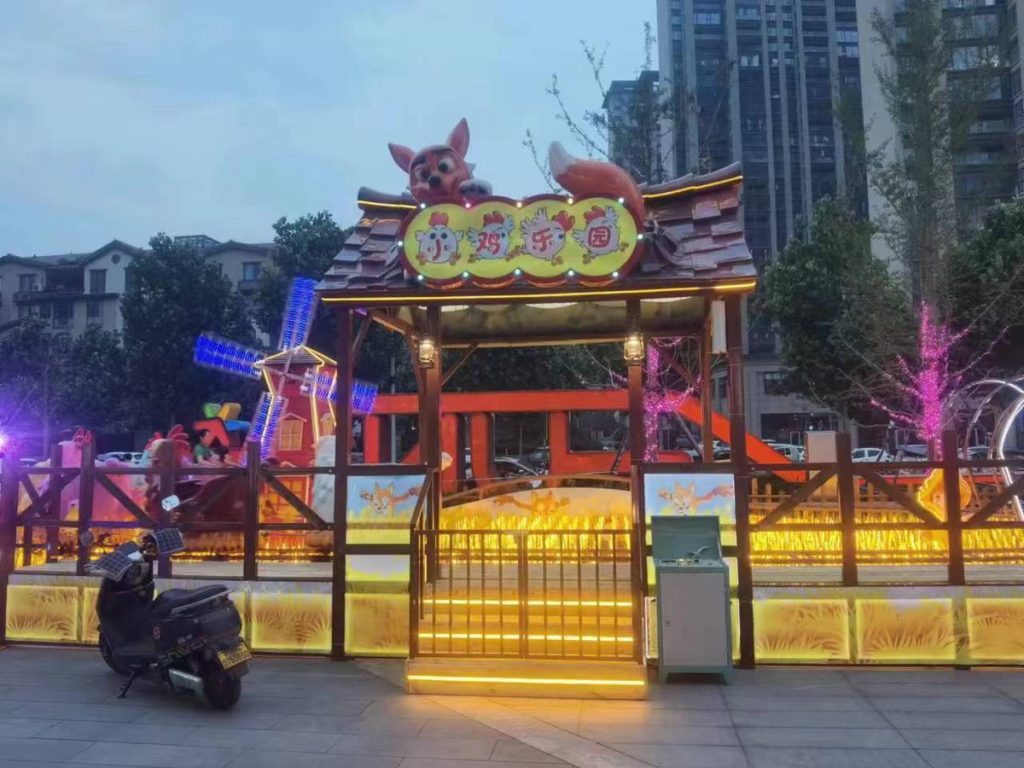
Eight to twelve children's rides configured for 300-1,500 m2 kids' zones. Voltage, capacity and theming are project-specific.
View specification →
Portable or fixed equipment; 10-30 rides can be configured for touring or fixed-ground operation with transport and quick assembly in mind.
View specification →
Water slides, lazy river, interactive water features and water fortress. Water treatment, electrical control and civil conditions are integrated into the design.
View specification →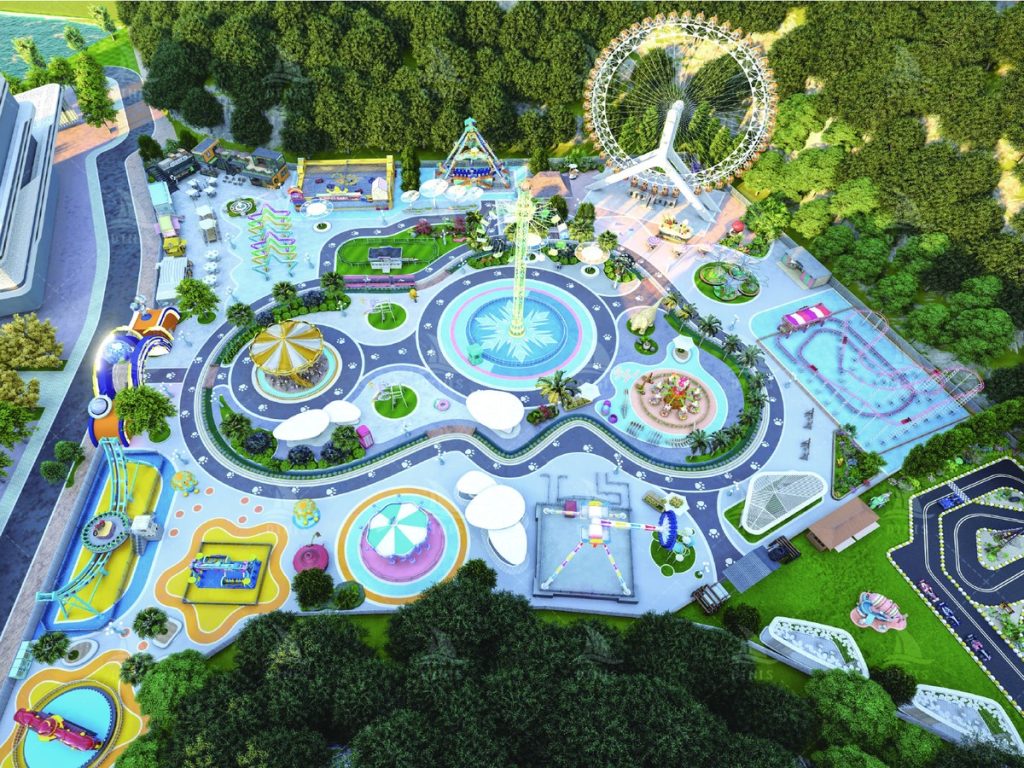
Overseas installation supervision, remote technical support, foundation drawings, commissioning and operator training, quoted by equipment and project duration.
View specification →
Wear parts, bearings, electrical controls, lighting, seat safety components and brake parts configured by equipment model.
View specification →
A compact 30-meter observation wheel with 20 cabins and 80-passenger capacity for parks and scenic destinations.
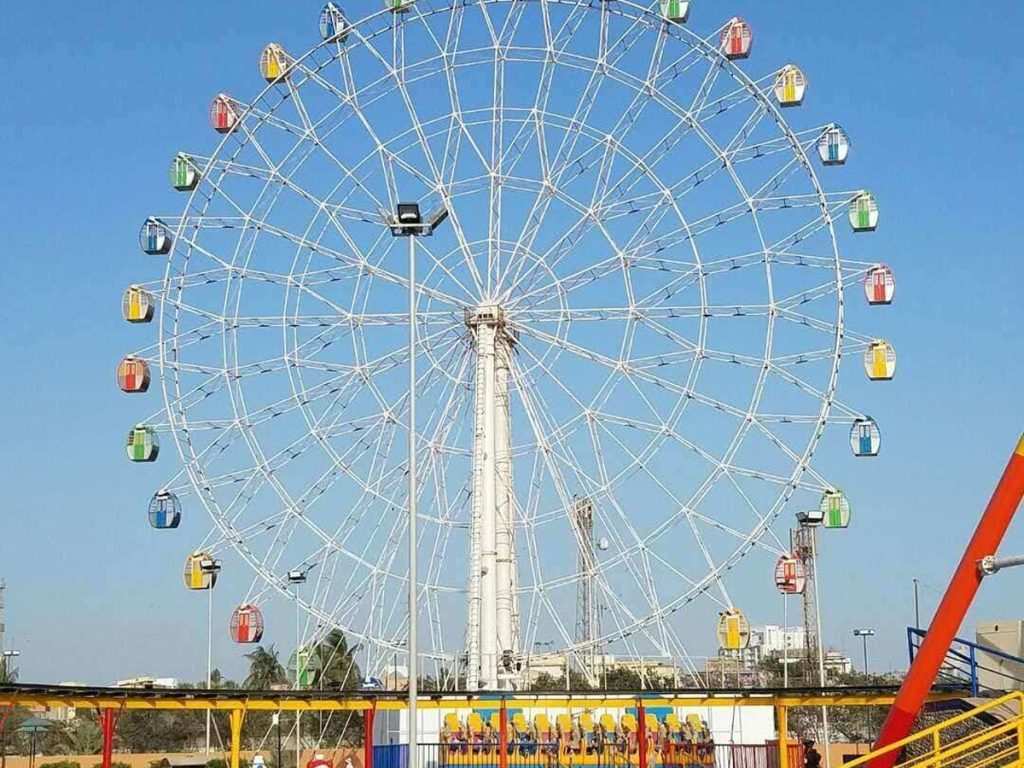
A 42-meter landmark wheel with 24 cabins, 96-passenger capacity and a 20m x 20m footprint.

A 46-meter wheel with 26 cabins and 104-passenger capacity for parks, resorts and scenic areas.
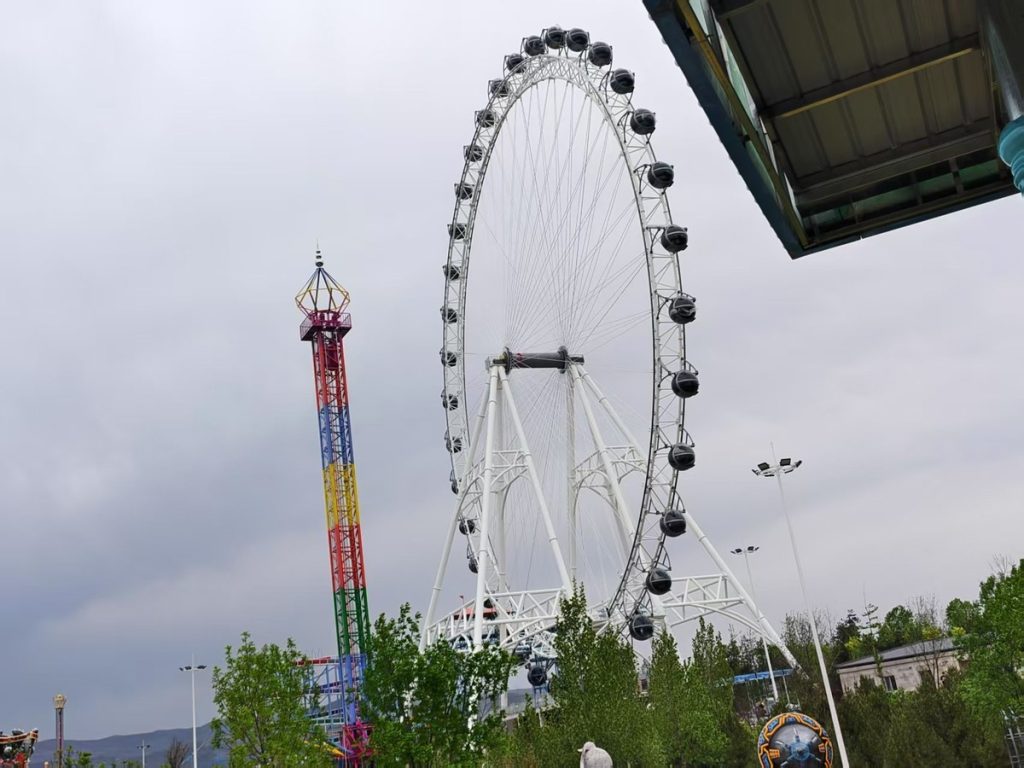
A conventional truss 50-meter wheel with 128-passenger capacity for landmark and night-view projects.
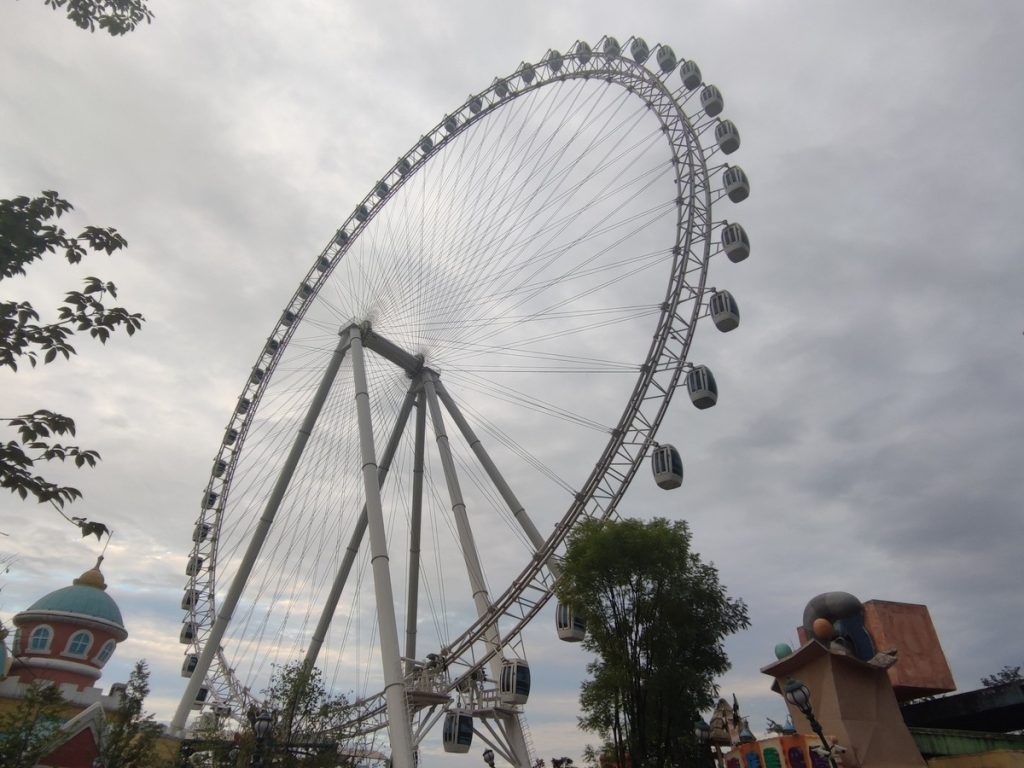
A 50-meter A-frame wheel with 30 cabins and 120-passenger capacity in a compact 24m x 17m footprint.
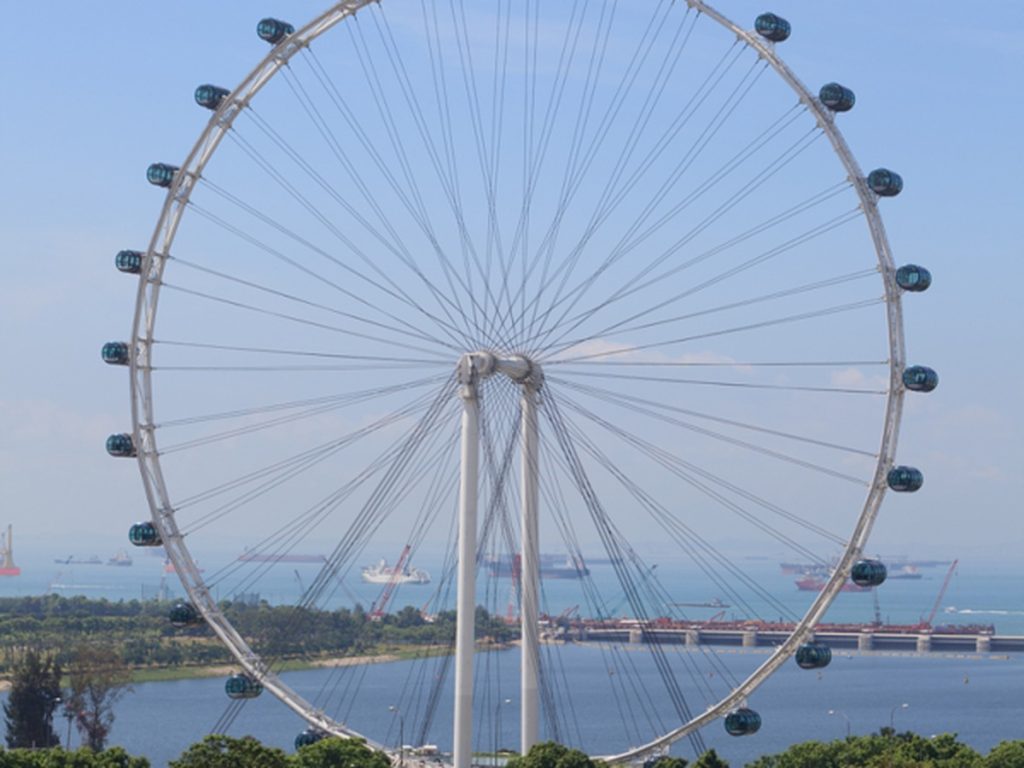
A 65-meter fixed observation wheel with 36 cabins, 216-passenger capacity and 20-year design life.
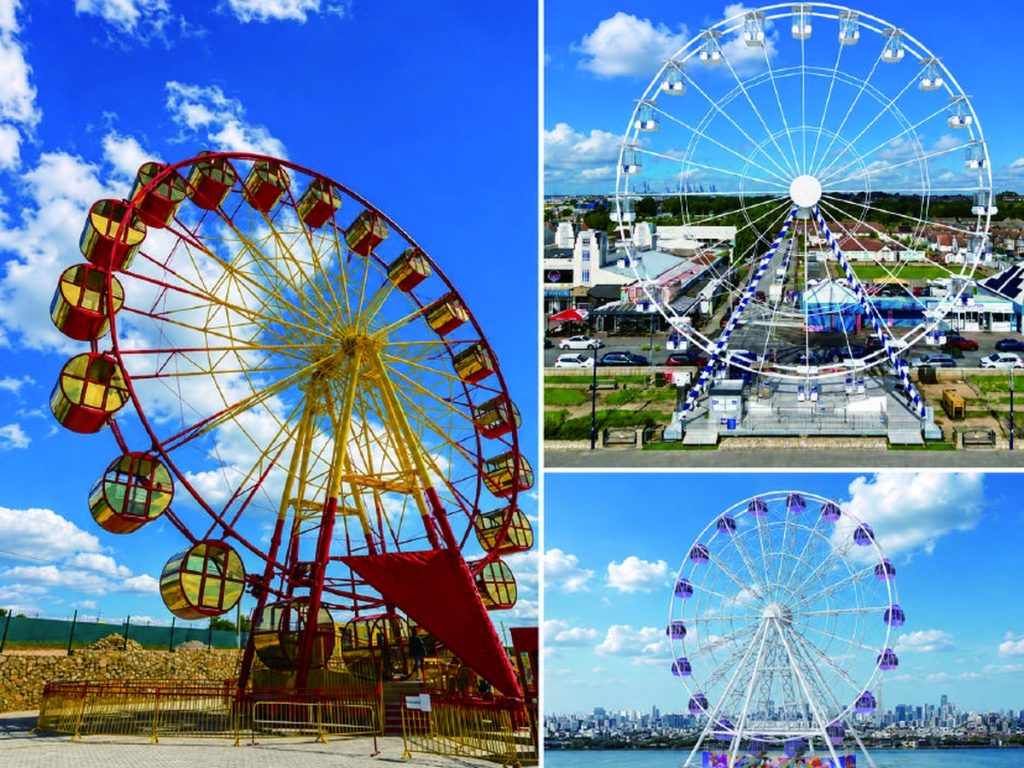
An 88-meter cable-stayed wheel with 36 spherical cabins and 216-passenger capacity.

A 103-meter wheel with 48 cabins, 288-passenger capacity and 25-year design life for major landmark projects.

A 120-meter wheel with 48 spherical cabins and 288-passenger capacity for destination landmark projects.
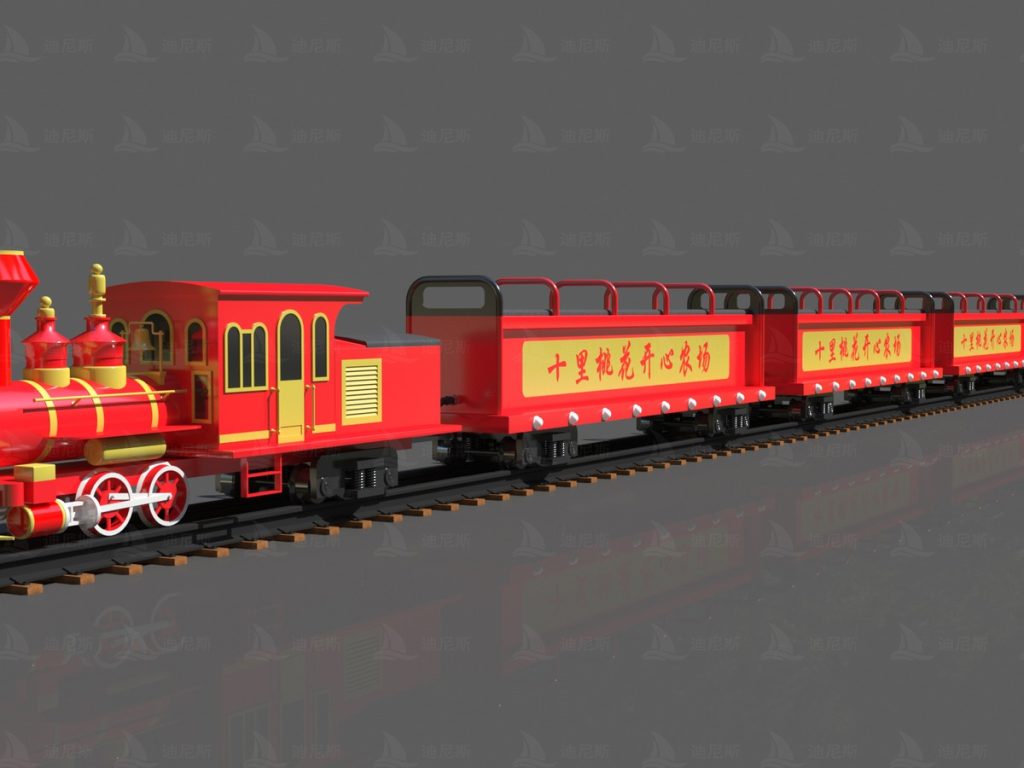
A 36-passenger track train with one locomotive and three 12-passenger cars for parks and scenic routes.

A 54-passenger track train with one locomotive and three 18-passenger covered cars.

A 246-meter family coaster with 18 passengers, 9.9m track height and 45.8kW lift power.

A 730-meter six-loop coaster with 24-passenger trains, 34m track height and theoretical throughput of 288 guests per hour.

A 500-meter suspended coaster with 14 passengers, 28m track height and 74.4 km/h maximum speed.
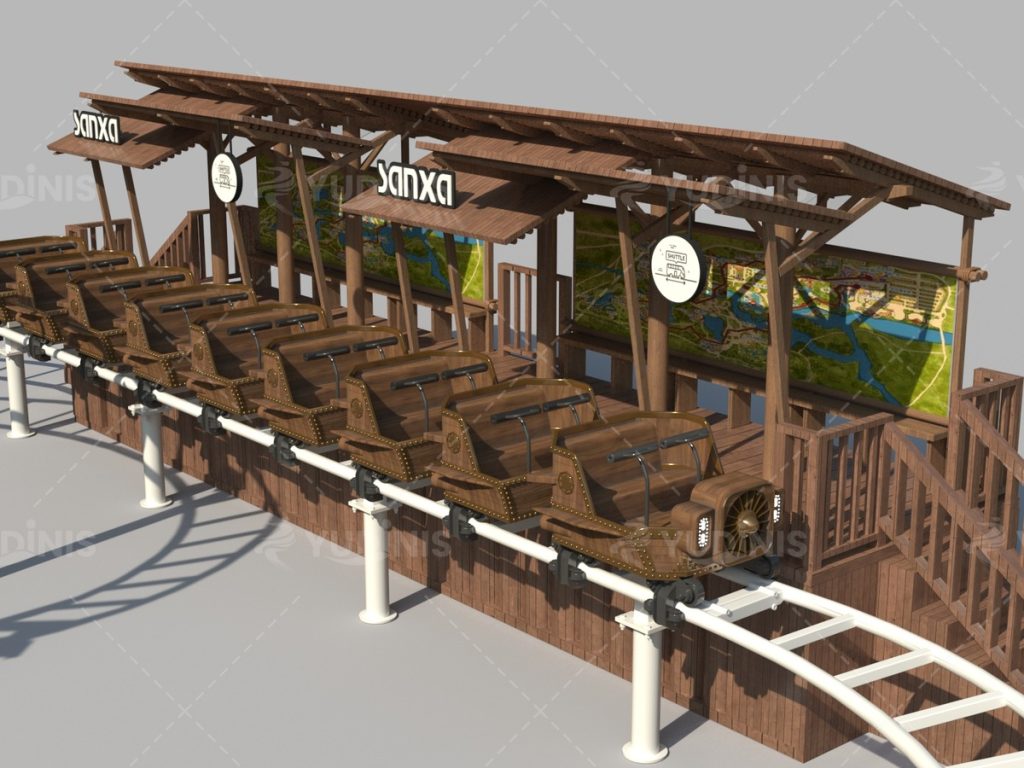
A 206-meter water coaster with two 20-passenger boats, 15m lift height and 55 km/h top speed.

The DINIS product range is organised around the buyer’s decision rather than an internal parts list. Attractions are grouped by family rides, kids rides, thrill and major rides, roller coasters, Ferris wheels and observation, trains and transport, bumper cars and interactive, non-powered playgrounds, water attractions, turnkey packages, and services and parts.
Each product page carries a reference specification, a site-and-configuration section, safety and documentation notes, installation and training scope, and a maintenance and lifecycle view. Keeping specifications as structured fields means buyers can compare models on the same basis instead of reading marketing paragraphs.
The categories exist so a buyer can enter from the decision they are actually making, whether that is a single family ride or a full turnkey package. From any entry point the same structured specification is available, so comparisons stay on the same fields.
For project planning, this is the kind of detail that separates a documented delivery from one that is discovered on site. Getting this right early protects the opening date and the budget.
On site, it is matched to the destination standards and the delivered scope before the order is fixed. The page keeps this explicit because it is the step where projects most often drift.

DINIS records capacity, height, footprint, power, speed or cycle time, voltage and guest age group as structured data for each model. These values anchor the first engineering conversation, and final figures are set from the site survey and destination standards.
That discipline exists because headline price alone hides delivery differences. Two suppliers can quote the same ride with different documentation, installation and spare-parts scope, so buyers are encouraged to compare identical fields before judging value.
For a buyer, the value of structured fields is speed: capacity, footprint and power can be extracted and compared without decoding prose. That same clarity is what makes the pages legible to search and AI assistants, which is increasingly how attraction buyers start their research.
For the operating team, the right answer follows from the site and the standard, not from a catalogue entry. The same check should be applied to every supplier a buyer compares.
At the procurement stage, the plan only becomes reliable once this item has an owner and a lead time. The key is to write this down as a step the site team can execute, rather than leave it as a general intention.
In practice, the guidance is kept concrete so a buyer can act on it before the first call. The same check should be applied to every supplier a buyer compares.

Buyers who know their site and standards often move straight to a single model. Buyers developing a new venue usually benefit from a turnkey package, where the equipment schedule, layout, delivery and support are resolved together and the supplier carries the integration risk.
A package should reduce risk rather than simply bundle rides. DINIS builds packages around the operating plan, tiering the mix by budget and balancing family, children and signature attractions so the venue has both identity and repeatable capacity.
A turnkey package is worth considering whenever the venue is new or the operator has not run a full mix before. The package resolves the schedule, the layout and the documentation together, and the supplier carries the integration risk instead of leaving it with the buyer.
Put simply, the plan only becomes reliable once this item has an owner and a lead time. The right answer follows from the site and the standard, not from a catalogue entry.
Operationally, getting this right early protects the opening date and the budget. This is the kind of detail that separates a documented delivery from one that is discovered on site.
For project planning, this is the kind of detail that separates a documented delivery from one that is discovered on site. Getting this right early protects the opening date and the budget.

Theming, lighting, layout and control configuration are available across the range, but every option is reviewed for its effect on engineering, lead time and documentation. A facade change can alter weight and wind load, and an electrical option can change the control logic and the certification route.
The practical habit is to separate must-have customisation from nice-to-have decoration. That keeps the quotation tied to the operating requirement and prevents late-stage changes from moving the opening date.
The engineering review of customisation is what keeps a themed facade from becoming a late-stage problem. Weight, wind load and control logic are re-checked whenever the configuration changes, so the quotation reflects the operating requirement rather than a wish list.
In practice, getting this right early protects the opening date and the budget. The page keeps this explicit because it is the step where projects most often drift.
When comparing suppliers, this is the kind of detail that separates a documented delivery from one that is discovered on site. The key is to write this down as a step the site team can execute, rather than leave it as a general intention.
For the operating team, getting this right early protects the opening date and the budget. DINIS treats this as a verification step, and the evidence is checked before anything is committed.

Each project package includes the confirmed scope for foundation guidance, installation, commissioning, operator training and spare parts. Delivery is quoted against the destination country, packaging requirements and site access, so freight and customs are planned rather than discovered.
For overseas projects, packaging is matched to the route: containerized where possible, crated and labelled for mixed inland delivery, with spare parts consolidated so commissioning is not held up by a missing component.
Quality is delivered as evidence: material traceability, factory test records and pre-shipment checks that travel with the machine. Packaging is then matched to the route, with spare parts consolidated so commissioning is not held up by a missing component.
At the procurement stage, the plan only becomes reliable once this item has an owner and a lead time. The key is to write this down as a step the site team can execute, rather than leave it as a general intention.
For the operating team, the guidance is kept concrete so a buyer can act on it before the first call. The page keeps this explicit because it is the step where projects most often drift.
When comparing suppliers, the plan only becomes reliable once this item has an owner and a lead time. It is matched to the destination standards and the delivered scope before the order is fixed.

Start from the venue and the operating model, not the catalogue. Confirm the available footprint, power supply, height clearance, guest profile and destination standards, then shortlist models that fit those constraints.
Before requesting a quotation, prepare the target model or family, footprint, guest profile and expected throughput, power supply, destination country, customisation needs and target opening date. A complete brief returns a qualified shortlist and a realistic schedule.
The model-selection step is where most projects are won or lost. By fixing the site envelope and the guest profile before shortlisting, a buyer eliminates most of the risk that would otherwise surface after the order is placed.
Qualified brief first
On site, getting this right early protects the opening date and the budget. The same check should be applied to every supplier a buyer compares.
For project planning, this is the kind of detail that separates a documented delivery from one that is discovered on site. Getting this right early protects the opening date and the budget.
Operationally, it is matched to the destination standards and the delivered scope before the order is fixed. The same check should be applied to every supplier a buyer compares.
Need a shortlist?