
DINIS GLOBAL
About DINIS

What DINIS does
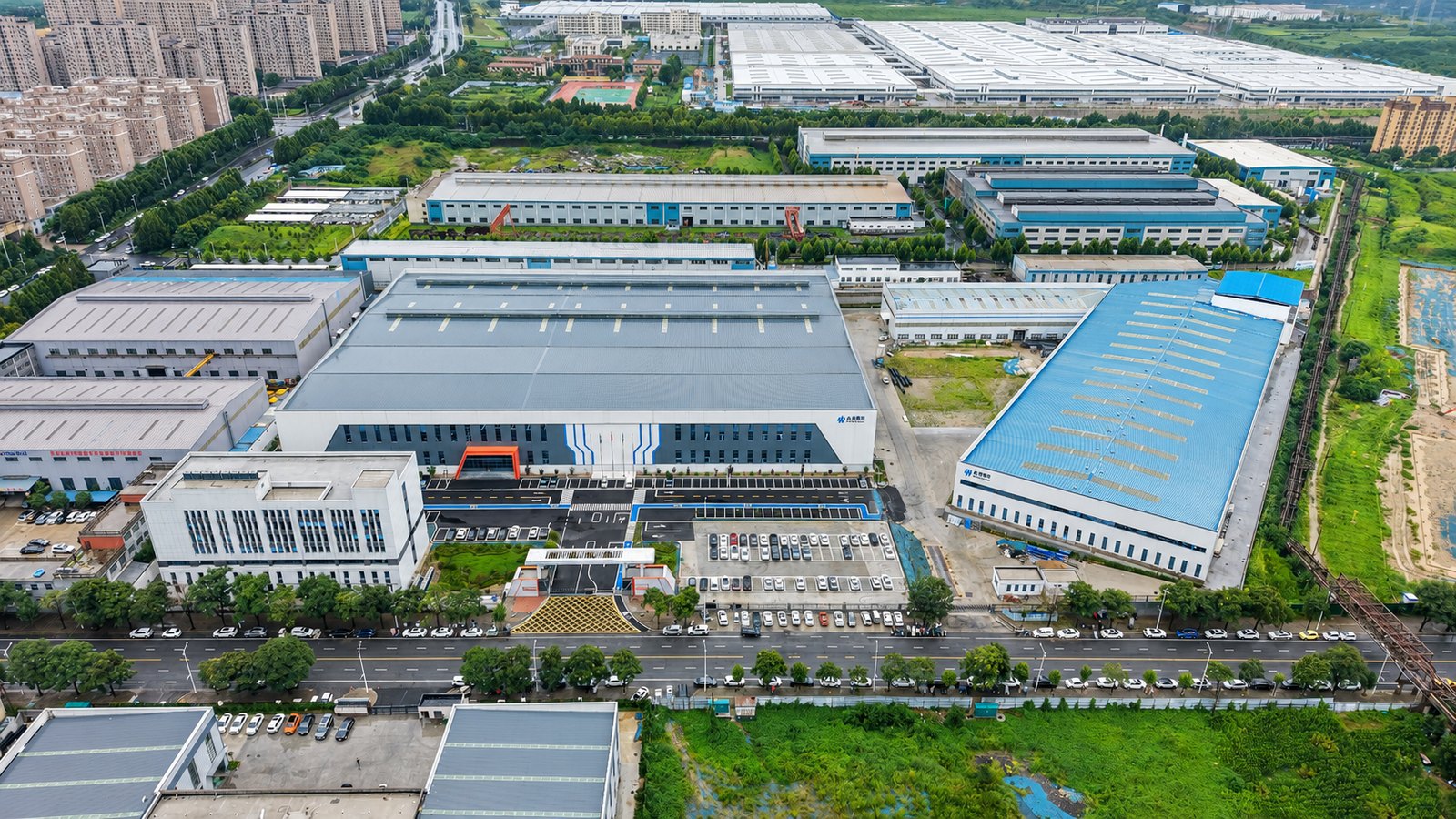
DINIS Amusement Technology supplies amusement rides, attraction systems and turnkey packages to theme parks, family entertainment centers, scenic destinations and resorts around the world. The company is organised around the buyer’s journey: discover, plan, engineer, deliver and support.
That structure exists because an attraction project fails or succeeds on integration, not on any single machine. DINIS takes responsibility for the interface between civil work, utilities, rides and documentation, which is what a credible supplier must do.
The company’s value comes from being accountable end to end. A buyer who works with DINIS is not coordinating a ride vendor, a civil contractor and a certifier separately; they are holding one partner responsible for the interfaces between all three.
Operationally, the right answer follows from the site and the standard, not from a catalogue entry. DINIS treats this as a verification step, and the evidence is checked before anything is committed.
Put simply, the plan only becomes reliable once this item has an owner and a lead time. The right answer follows from the site and the standard, not from a catalogue entry.
On site, the key is to write this down as a step the site team can execute, rather than leave it as a general intention. DINIS treats this as a verification step, and the evidence is checked before anything is committed.
A delivery partner, not a catalogue

Many suppliers can sell a ride. Fewer can justify the mix, produce the engineering documentation the local authority will accept, package it for the delivery route and hand over a trained team. DINIS is built around the second job.
The company leads with the venue and the business objective rather than a product list, because the right shortlist follows from the guest profile, footprint, power and standards, not from a brochure.
That positioning is not a slogan; it is an operating discipline. The team leads with the venue and the operating model because the right shortlist cannot be produced any other way, and it declines to quote a price before the scope is understood.
When comparing suppliers, DINIS treats this as a verification step, and the evidence is checked before anything is committed. Getting this right early protects the opening date and the budget.
In practice, it is matched to the destination standards and the delivered scope before the order is fixed. DINIS treats this as a verification step, and the evidence is checked before anything is committed.
At the procurement stage, the same check should be applied to every supplier a buyer compares. The guidance is kept concrete so a buyer can act on it before the first call.
Engineering and manufacturing discipline
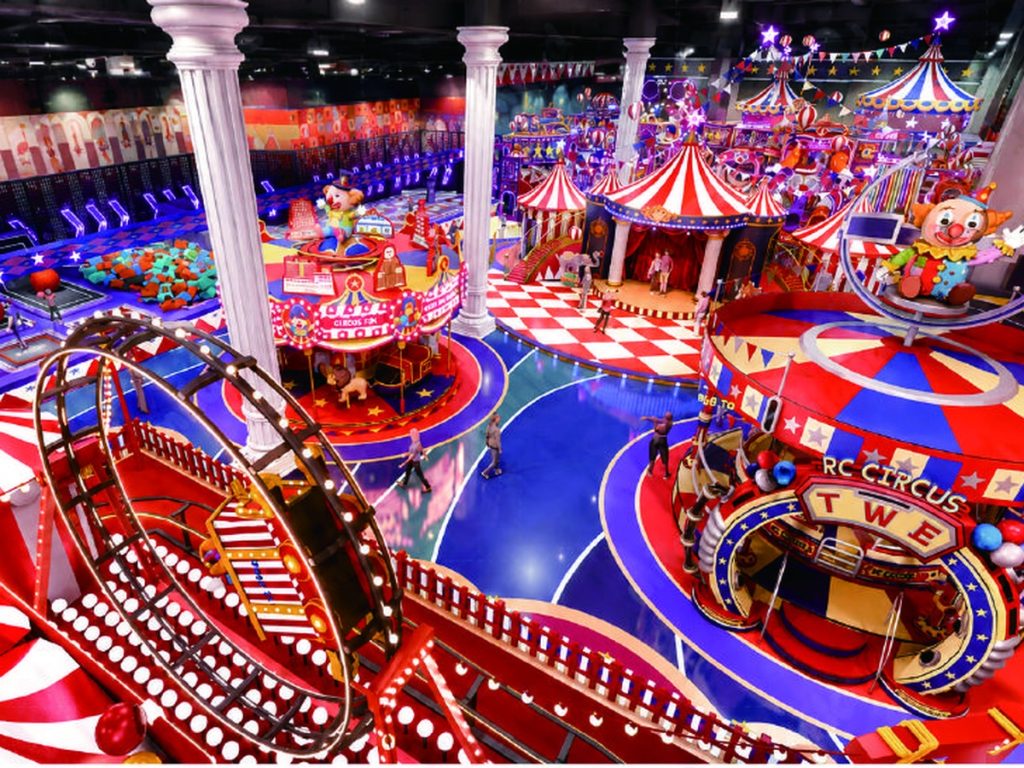
Engineering discipline means defining load cases, restraints, control systems and documentation before a single part is ordered. Specifications are kept as structured data so buyers can compare models on the same basis, and critical components are verified against approved drawings.
Manufacturing quality is controlled through material traceability, weld and structural inspection, factory test records and pre-shipment checks, with the results travelling in the documentation pack rather than living only in a marketing claim.
Engineering discipline is what makes the catalogue trustworthy. Structured specifications, approved drawings and documented test records mean a buyer can verify what they are buying instead of taking a brochure at its word.
On site, getting this right early protects the opening date and the budget. The same check should be applied to every supplier a buyer compares.
For project planning, this is the kind of detail that separates a documented delivery from one that is discovered on site. Getting this right early protects the opening date and the budget.
Operationally, getting this right early protects the opening date and the budget. This is the kind of detail that separates a documented delivery from one that is discovered on site.
Put simply, the plan only becomes reliable once this item has an owner and a lead time. The right answer follows from the site and the standard, not from a catalogue entry.
Global delivery support

DINIS supports delivery into the Middle East, Southeast Asia, Latin America, Africa, Europe, the CIS, South Asia and North America. Packaging, documentation and installation are matched to each market and delivery route.
For overseas projects the schedule is sequenced around manufacturing, export packaging, shipping, customs and site readiness, with the scope stating which civil works and local approvals remain the buyer’s responsibility.
Global delivery is where that discipline is tested. Packaging, documentation and installation are matched to each market, and the schedule is built backwards from opening day so customs and site readiness do not become surprises.
At the procurement stage, DINIS treats this as a verification step, and the evidence is checked before anything is committed. It is matched to the destination standards and the delivered scope before the order is fixed.
For the operating team, it is matched to the destination standards and the delivered scope before the order is fixed. The plan only becomes reliable once this item has an owner and a lead time.
When comparing suppliers, the same check should be applied to every supplier a buyer compares. The right answer follows from the site and the standard, not from a catalogue entry.
How DINIS works with buyers

The relationship starts with a qualified brief: venue format, footprint, guest profile, expected throughput, power supply, destination country and target opening date. From that, DINIS returns a configuration review and a realistic schedule before any price discussion.
Phasing is encouraged, because a credible first phase proves the concept and generates cash flow while later phases add capacity without reworking the earlier investment. This keeps capital risk lower and the opening date credible.
Working with buyers means starting from the brief and returning a configuration review, not a price list. Phasing is encouraged because a credible first phase proves the concept while protecting capital and keeping the opening date realistic.
In practice, getting this right early protects the opening date and the budget. The page keeps this explicit because it is the step where projects most often drift.
When comparing suppliers, the same check should be applied to every supplier a buyer compares. The right answer follows from the site and the standard, not from a catalogue entry.
For the operating team, it is matched to the destination standards and the delivered scope before the order is fixed. The plan only becomes reliable once this item has an owner and a lead time.
Accountability and evidence

DINIS asks to be judged on evidence: specifications, documentation scope, installation support, spare parts and lead time. Those are the fields that determine whether a delivered project becomes a sustainable business.
This page is reviewed against the current documentation set, and specifications, certifications and project references are documented per project. Buyers are encouraged to request the same level of evidence from every supplier they evaluate.
Accountability is offered in the form of evidence: specifications, documentation, installation support and spare parts are all stated in writing, and the same standard is invited from every supplier a buyer compares.
Qualified brief first
Put simply, DINIS treats this as a verification step, and the evidence is checked before anything is committed. The key is to write this down as a step the site team can execute, rather than leave it as a general intention.
Operationally, the guidance is kept concrete so a buyer can act on it before the first call. The plan only becomes reliable once this item has an owner and a lead time.
For project planning, the page keeps this explicit because it is the step where projects most often drift. The key is to write this down as a step the site team can execute, rather than leave it as a general intention.