
DINIS GLOBAL
Service & Support

Support that starts before delivery

DINIS service and support starts before the equipment ships. The installation interface, foundation guidance, commissioning plan and training scope are defined in advance, so the on-site team arrives with a plan rather than an improvisation.
Defining the interfaces early removes the most common cause of handover delay: discovering on site that a utility, approval or civil task was assumed but never assigned.
Support that starts before delivery is the difference between a machine that arrives and a machine that can open. Defining the interfaces, the training and the parts list early removes the most common cause of handover delay.
On site, it is matched to the destination standards and the delivered scope before the order is fixed. The page keeps this explicit because it is the step where projects most often drift.
For project planning, the plan only becomes reliable once this item has an owner and a lead time. The guidance is kept concrete so a buyer can act on it before the first call.
Operationally, getting this right early protects the opening date and the budget. This is the kind of detail that separates a documented delivery from one that is discovered on site.
Installation supervision and remote review

DINIS can provide on-site installation supervision, remote technical review or a combination matched to the project. The delivered scope states which civil works, utilities and local approvals remain the buyer’s responsibility.
For overseas projects, remote review keeps costs down while on-site supervision is reserved for the stages where physical presence matters most, such as alignment, safety-device checks and handover.
The mix of on-site supervision and remote review is chosen for the project rather than sold as a fixed package. Remote review controls cost, while on-site presence is reserved for the stages where alignment and safety checks actually require it.
At the procurement stage, the page keeps this explicit because it is the step where projects most often drift. Getting this right early protects the opening date and the budget.
For the operating team, getting this right early protects the opening date and the budget. DINIS treats this as a verification step, and the evidence is checked before anything is committed.
When comparing suppliers, the page keeps this explicit because it is the step where projects most often drift. The guidance is kept concrete so a buyer can act on it before the first call.
In practice, the right answer follows from the site and the standard, not from a catalogue entry. This is the kind of detail that separates a documented delivery from one that is discovered on site.
Commissioning and operator training
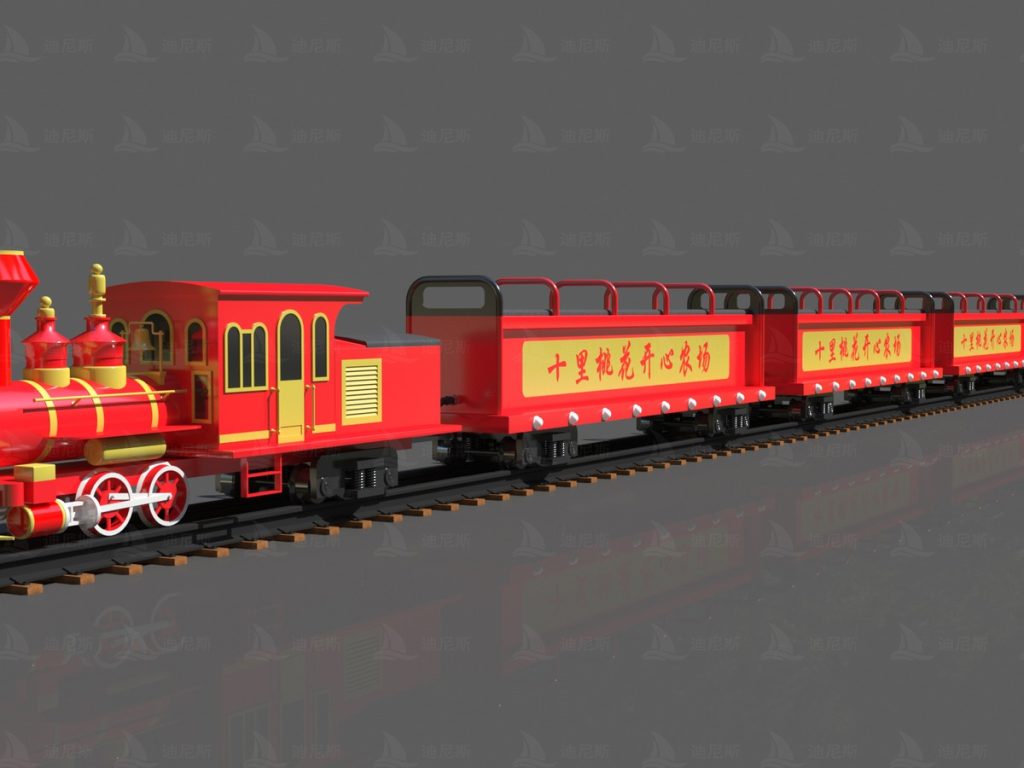
Commissioning includes function checks, safety-device verification and a trial-operation period. Operator training covers daily start-up and shutdown, restraint or supervision procedures, emergency stop and evacuation practice, and first-line maintenance.
The goal is a team that can run the ride safely without the supplier on site. Manuals are prepared in the language agreed during scoping.
Training is matched to the ride and the destination, and the manuals are prepared in the language the team reads. A trained operator with clear routines is the single best protection against avoidable downtime and safety drift.
Operationally, the right answer follows from the site and the standard, not from a catalogue entry. DINIS treats this as a verification step, and the evidence is checked before anything is committed.
Put simply, the page keeps this explicit because it is the step where projects most often drift. It is matched to the destination standards and the delivered scope before the order is fixed.
On site, getting this right early protects the opening date and the budget. The same check should be applied to every supplier a buyer compares.
For project planning, this is the kind of detail that separates a documented delivery from one that is discovered on site. Getting this right early protects the opening date and the budget.
Spare parts and repeat procurement

A starting spare-parts list ships with the equipment, and DINIS helps operators map which parts to hold locally, which to reorder on a schedule and which can ship on demand. That turns an annual inspection into a planned event rather than an unplanned closure.
For the installed base, parts are referenced to the model and documentation set, so a repeat order arrives against the right revision.
The spare-parts plan is agreed before installation so the operator knows what to hold locally, what to reorder on a schedule and what can ship on demand. That turns annual inspection into a planned event instead of an unplanned closure.
When comparing suppliers, the page keeps this explicit because it is the step where projects most often drift. The guidance is kept concrete so a buyer can act on it before the first call.
In practice, the guidance is kept concrete so a buyer can act on it before the first call. The same check should be applied to every supplier a buyer compares.
At the procurement stage, the same check should be applied to every supplier a buyer compares. The guidance is kept concrete so a buyer can act on it before the first call.
Remote diagnosis and escalation

Remote diagnosis is available for supported systems, using the operator’s description, photos and logged faults to isolate the issue before parts or people move. That shortens downtime and avoids shipping the wrong component.
Escalation routes to the technical owner for the model, so a difficult fault reaches someone with the documentation and history to resolve it.
Remote diagnosis shortens downtime by isolating the fault before parts or people move. A clear description, photos and logged faults let the technical owner reach the right conclusion without shipping the wrong component.
For the operating team, the key is to write this down as a step the site team can execute, rather than leave it as a general intention. This is the kind of detail that separates a documented delivery from one that is discovered on site.
At the procurement stage, this is the kind of detail that separates a documented delivery from one that is discovered on site. The right answer follows from the site and the standard, not from a catalogue entry.
In practice, the right answer follows from the site and the standard, not from a catalogue entry. This is the kind of detail that separates a documented delivery from one that is discovered on site.
Lifecycle care and refresh planning

Over a ride’s design life, theming fades, electrics age and wear parts accumulate hours. DINIS supports a realistic refresh plan for these items so the ride keeps earning rather than declining.
Lifecycle care is where total cost of ownership is decided: accessible wear parts, trained first-line maintenance and a scheduled refresh are cheaper than reactive repair and long closures.
Lifecycle care is where total cost of ownership is decided. Scheduled refresh of theming and electrics, combined with trained first-line maintenance, costs far less over the life of the ride than reactive repair and long closures.
Qualified brief first
For project planning, DINIS treats this as a verification step, and the evidence is checked before anything is committed. The right answer follows from the site and the standard, not from a catalogue entry.
On site, the key is to write this down as a step the site team can execute, rather than leave it as a general intention. DINIS treats this as a verification step, and the evidence is checked before anything is committed.
Put simply, the same check should be applied to every supplier a buyer compares. Getting this right early protects the opening date and the budget.