DINIS GLOBAL
Solutions
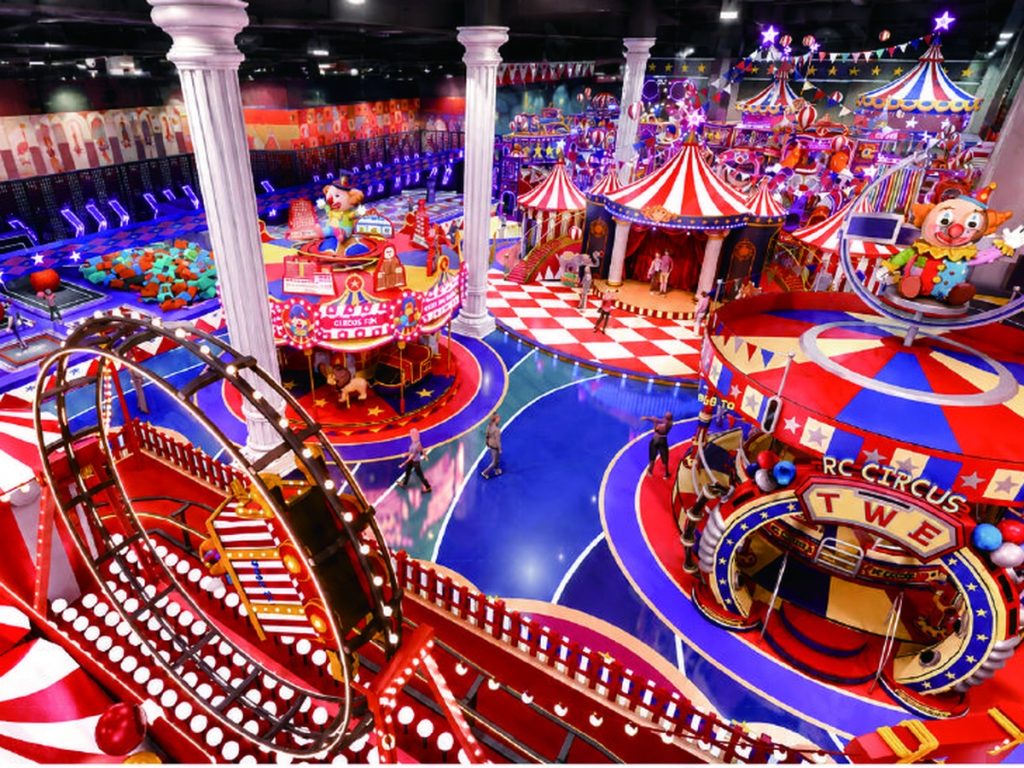
DINIS solution pages start from the venue and business model, then connect the attraction mix, configuration logic, delivery path, risk control and evidence. Each page is written for a distinct operating scenario rather than as a product collection.
Start with the business model
Theme parks, FECs, water parks and resorts, scenic areas, and carnival or seasonal events each require a different mix, throughput logic and operating discipline. DINIS first defines the guest profile, footprint, opening date and investment objective before proposing equipment.
Solution scenarios
- Theme parks — a balanced portfolio of signature, family and capacity attractions
- Family entertainment centers — repeatable social play for indoor and mixed-use venues
- Water parks & resorts — water play and resort-linked guest experience
- Scenic & tourist areas — low-impact, photo-friendly attractions that extend dwell time
- Carnival & seasonal events — transportable, fast-setup rides for mobile operation
- Installation & after-sales — commissioning, training and spare-parts support
How DINIS structures a solution
- Target customer and operating scenario
- Procurement problems and why they occur
- Solution structure and configuration logic
- Implementation, risk control and delivery scope
- Case evidence, buyer FAQs and a scenario-specific CTA
Solution pages link to the relevant product families, case studies, quality controls and market pages so a buyer can move from “is this for me?” to “what should I confirm before quoting?” in one path.
Describe the operating scenario
Start with the venue, not the product list.
Why solution pages start from the venue
A theme park, FEC, resort, scenic area and seasonal event each need a different mix and operating discipline. Starting from the venue prevents a product collection from being mistaken for a solution.
The solution structure
Each scenario covers the target customer, procurement problem, solution structure, configuration logic, implementation path, risk control, case evidence and scenario-specific CTA.
From venue to solution
A DINIS solution starts from the venue and business model, not from a product list. Theme parks, FECs, water parks and resorts, scenic areas, and carnival or seasonal events each require a different attraction mix, throughput logic and operating discipline.
The value of a solution page is to explain why a configuration fits a specific operating scenario, then connect that logic to the relevant products, case evidence, quality controls and market pages.
Scenario coverage
- Theme parks: a balanced portfolio of signature, family and capacity attractions.
- Family entertainment centers: repeatable social play for indoor and mixed-use venues.
- Water parks and resorts: water play and resort-linked guest experience.
- Scenic and tourist areas: low-impact, photo-friendly attractions that extend dwell time.
- Carnival and seasonal events: transportable, fast-setup rides for mobile operation.
- Installation and after-sales: commissioning, training and spare-parts support.
Configuration logic
DINIS derives the mix from land area, guest profile, expected throughput and opening date. A smaller budget favors standard configurations; a long operating day favors durability and maintainable structures; a landmark role favors a higher-capacity signature ride.
Implementation path
- Define the venue and operating model
- Review footprint, guest flow and capacity
- Configure the attraction mix and delivery scope
- Confirm standards, packaging and installation interfaces
- Commission, train operators and plan spare parts
Risk control
DINIS writes the boundary into the quotation: who owns civil works, utilities, local permits and third-party inspections. Stating these interfaces prevents scope gaps and makes supplier comparison realistic.
Evidence
Configuration decisions are supported by anonymized case evidence where relevant, so the buyer can see that the logic has been applied in a comparable venue rather than only described in marketing language.
Before requesting a quotation
Describe the format, footprint, target guest profile, expected throughput, destination country and target opening date.
Standards for Solutions
DINIS prepares drawings, manuals, test records and certification scope matched to the delivered configuration and destination market. Confirm the document language early.
Evaluating suppliers for Solutions
Request the same fields from every supplier: footprint, practical throughput, power, installation support, spare parts and lead time. This makes quotations comparable.
Risk control for Solutions
Stating the scope boundary reduces surprises. Confirm foundation guidance, installation supervision, commissioning, training and spare parts before order confirmation.
Phasing Solutions
Where the project is phased, DINIS can plan foundations and utilities for a later expansion so the first phase does not block future growth.
Documentation for Solutions
A complete document set includes foundation guidance, installation drawings, operation manuals, maintenance schedules and the applicable standard scope for the destination.
How Solutions fits a project
The starting point for Solutions is the operating requirement, not the product sheet. DINIS reviews the venue, guest profile, throughput, power and destination standards before confirming a configuration. Reference context: DINIS attraction and project scope.
Selecting Solutions
Buyers should compare Solutions on practical throughput, footprint, power and documentation scope rather than headline price. The selected configuration is documented so the delivered scope can be audited.
Delivery considerations for Solutions
Export packaging, site access and installation interfaces affect the schedule. DINIS states which civil works, utilities and local approvals remain the buyer’s responsibility before quotation.
Operating Solutions
Operator training covers daily inspection, start-up and shutdown, supervision or restraint procedures, emergency stops and first-line maintenance. A documented routine protects availability.
Maintaining Solutions
Accessible wear parts and a spare-parts plan reduce downtime. For DINIS attraction and project scope, confirm the maintenance calendar and lead times before installation.
Phasing and expansion for Solutions
If the venue will grow, plan foundations and utilities for a later phase. This keeps the first phase affordable without blocking future capacity.
Confirming the scope for Solutions
DINIS confirms the configuration, delivery scope and documentation before quotation. For DINIS attraction and project scope, the buyer should prepare the venue, guest profile, power and opening date.
Comparing Solutions across suppliers
Use one comparison format: footprint, practical throughput, power, documentation, installation support and spare parts. This prevents a lower equipment price from hiding delivery differences.
Handover and operation of Solutions
Before handover, confirm the drawings, manuals, maintenance schedule and spare-parts list match the delivered configuration. Operator training should cover both routine and emergency procedures.
Spare parts planning for Solutions
Wear parts and lead times should be planned before installation. Accessible inspection points make routine maintenance faster and reduce avoidable downtime.
Standards and evidence for Solutions
Request certificates, test records and the certification scope for the destination. Documented evidence is easier to audit than a generic quality claim.
Choosing between solution scenarios
If the venue can be described as more than one format, DINIS recommends choosing the primary operating model first. A resort with a park zone is still a resort solution first, with park elements configured inside that model. This keeps the attraction mix and staffing plan coherent.