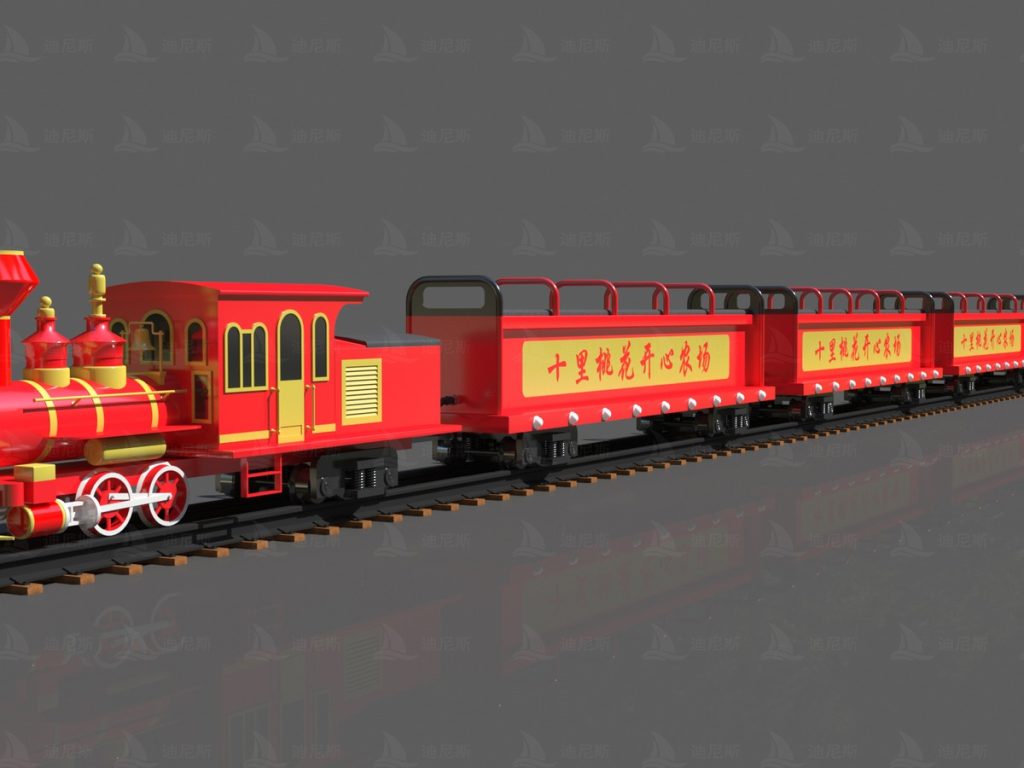
Trains & Transport
Trackless Train
40, 56 or 70 seats; electric or fuel options; retro, fairy-tale or scenic themes; designed for park roads and controlled routes.
Quick answer
40, 56 or 70 seats; electric or fuel options; retro, fairy-tale or scenic themes; designed for park roads and controlled routes.
Suitability and boundaries
Confirm foundation, power supply, site access and the standards applicable in the destination before ordering.
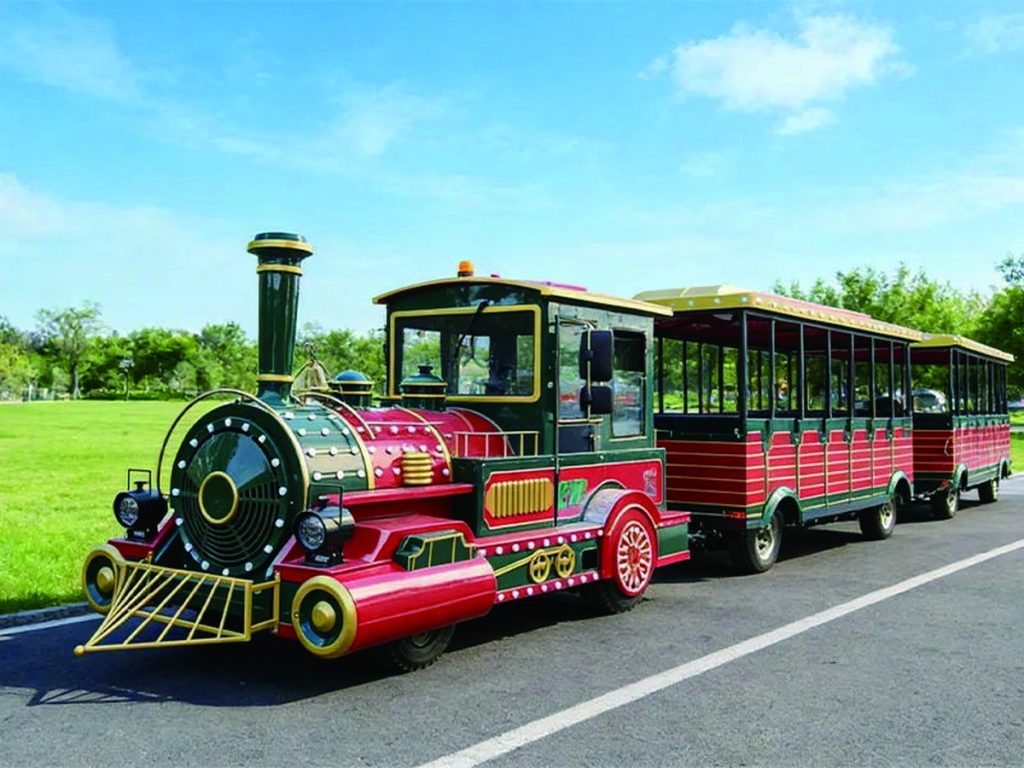
What the Trackless Train is and the operating problem it solves

A trackless train is positioned in the trains & transport category and built for guest shuttle, sightseeing, family ride and scenic transport. 40, 56 or 70 seats; electric or fuel options; retro, fairy-tale or scenic themes; designed for park roads and controlled routes.
When DINIS scopes a trackless train, the first conversation is about the venue, not the catalogue.
The buyers DINIS supports for this product are Scenic areas, zoos, resorts, city parks and commercial districts. Demand is strongest in Middle East, Southeast Asia, Latin America, CIS and Africa, where operators use it as guest shuttle, sightseeing, family ride and scenic transport. The right configuration follows from the guest profile and the operating model, which is why the specification is set from the site before a quotation is issued.
For the trackless train, the practical consequence is a configuration review instead of a price-first conversation, because the operating model decides the specification.
- Primary use: Guest shuttle, sightseeing, family ride and scenic transport
- Typical buyers: Scenic areas, zoos, resorts, city parks and commercial districts
- Key markets: Middle East, Southeast Asia, Latin America, CIS and Africa
- Category: Trains & Transport
Trackless Train reference specifications and engineering
40, 56 or 70 seats; electric or fuel options; retro, fairy-tale or scenic themes; designed for park roads and controlled routes.
The technical summary above records the reference configuration for this model, including capacity, dimensions and power, and final figures are set from the site survey and the destination standards.
DINIS records these fields for the trackless train as structured data so buyers can compare models on the same basis instead of reading marketing paragraphs.
- Reference specification recorded in the technical summary
- Final values set from the site survey and destination standards
DINIS records these fields for the trackless train as structured data so buyers can compare models on the same basis instead of reading marketing paragraphs.
Keeping the trackless train specification in structured fields means a buyer can extract capacity, footprint and power and compare them directly against another offer.
The trackless train technical summary stays visible beside the sales copy because headline price without those fields hides delivery differences.
DINIS records these fields for the trackless train as structured data so buyers can compare models on the same basis instead of reading marketing paragraphs.
Keeping the trackless train specification in structured fields means a buyer can extract capacity, footprint and power and compare them directly against another offer.
Site requirements and configuration choices for the Trackless Train

Before a trackless train is ordered, the available footprint, power supply, foundation or floor loading, height clearance and delivery access are confirmed, because they decide the variant more than the catalogue does.
The trackless train can be configured with Carriages, charging or fuel system, station, route planning and spares, with every option checked for its effect on weight, wind load or control logic.
Options that touch the structure or electrics are best fixed early. A useful habit is to separate must-have customisation for the trackless train from nice-to-have decoration, which keeps the quotation tied to the operating requirement.
- Options reviewed for engineering impact: Carriages, charging or fuel system, station, route planning and spares
Before a trackless train is ordered, the available project-specific footprint, supply and the foundation or floor loading are confirmed, because they decide the variant more than the catalogue does.
The site envelope for the trackless train is fixed first: project-specific of available space, power, clearance and delivery access.
For the trackless train, DINIS locks the site inputs (project-specific, ) before the specification is frozen, so the machine is configured to the venue.
Configuration options for the trackless train include Carriages, charging or fuel system, station, route planning and spares, each reviewed for engineering impact rather than treated as decoration.
Safety, standards and documentation for the Trackless Train
This trackless train page records the reference specification and the checks DINIS recommends before a quotation is fixed. The DINIS engineering team owns the technical accuracy of this page and reviews it against the current documentation set. Review date: 2026-10-20. Specifications, certifications and delivery scope are documented for each project and destination market.
DINIS prepares for the trackless train: CE compliance documentation for applicable models. The route that applies is confirmed against the territory and the local authority.
For the trackless train, the certification route is confirmed per destination, and buyers should request the same evidence from every supplier they compare.
The information on this trackless train page is drawn from the documented reference configuration and is re-checked during project scoping.
What follows for the trackless train reflects the reference data DINIS publishes, verified against the engineering documentation before order confirmation.
This trackless train page records the reference specification and the checks DINIS recommends before a quotation is fixed.
For compliance, DINIS works to: CE compliance documentation for applicable models. The exact document set for the trackless train is matched to the delivered configuration and the destination market.
The trackless train document set follows from the destination: CE compliance documentation for applicable models. Certification scope, inspection route and document language are confirmed during scoping.
Installation, commissioning and operator training for the Trackless Train
For the trackless train, DINIS defines the installation split in advance so no civil or electrical task is discovered on site.
The trackless train is released for opening only after the checks are documented and the operating team has practised the routines.
DINIS sequences the trackless train around manufacturing, export packaging and installation, with the lead time set early to protect the date.
Installation for the trackless train is defined before shipment so the civil and electrical interfaces are clear, and the scope states who provides foundations, utilities, lifting and local approvals.
The trackless train ships with its installation interface written down: drawings, supervision or remote review, commissioning and operator handover, with buyer tasks listed.
For the trackless train, DINIS defines the installation split in advance so no civil or electrical task is discovered on site.
Commissioning the trackless train includes function checks, safety-device verification and a trial-operation period, followed by operator start-up, shutdown and evacuation practice.
For the trackless train, handover readiness means verified safety devices, a trial run and a team trained on start-up, shutdown and emergency procedures.
The trackless train is released for opening only after the checks are documented and the operating team has practised the routines.
Maintenance, spare parts and lifecycle planning for the Trackless Train
A trackless train is a long-life asset, so the maintenance calendar should be planned before installation. The trackless train is maintained around its wear items (traction motors, batteries, brake pads, wheel sets and door hardware), which keeps inspections predictable and downtime short.
Spare-parts lead time for the trackless train matters as much as equipment lead time, and DINIS maps which parts to hold locally, which to reorder on a schedule and which can ship on demand.
The trackless train earns over its design life when maintenance is planned early, because reactive repair and long closures cost more than scheduled care.
For this category the high-wear items on the trackless train are traction motors, batteries, brake pads, wheel sets and door hardware, and a documented inspection routine plus a starter spare-parts list protect service life.
On the trackless train the parts that wear first are traction motors, batteries, brake pads, wheel sets and door hardware, so the maintenance calendar and parts list are planned before installation.
The trackless train is maintained around its wear items (traction motors, batteries, brake pads, wheel sets and door hardware), which keeps inspections predictable and downtime short.
Questions buyers ask about the Trackless Train
The four answers below address the most common checks before a quotation request.
What information do I need before requesting a trackless train quotation?
Send the target model or family, available footprint, guest profile and expected throughput, power supply, destination country, customisation needs and target opening date. A complete brief returns a qualified shortlist rather than a generic price list.
How should I compare the Trackless Train across suppliers?
Compare identical fields: capacity, footprint, practical throughput, power, documentation scope, installation support, spare parts and lead time. A lower headline price often hides a smaller delivery scope.
Can the Trackless Train be customised for my site?
Yes. Theming, layout, control configuration and capacity are set after a site review. Options such as Carriages, charging or fuel system, station, route planning and spares are evaluated for their effect on engineering, lead time and documentation.
What documentation comes with the Trackless Train?
The package includes foundation guidance, installation drawings, operation manuals and maintenance schedules matched to the delivered scope and the standards accepted in the destination market.
Related resources
Qualified brief first
Send the footprint, guest profile and opening date.
Buyer questions
What information do you need before preparing a trackless train quotation?
We need the venue format, available footprint and height limits, target guest profile, expected throughput, target opening date, power and site access, and destination country. With those inputs a DINIS engineer can confirm the suitable configuration, technical documents and delivery plan instead of providing a generic price.
Can the trackless train be customized for a specific theme or site?
Yes. The available configuration includes Carriages, charging or fuel system, station, route planning and spares. Theme, color, layout, capacity and control configuration are reviewed against the project requirements, structural constraints and the standards applicable to the destination market.
Who typically buys this type of attraction?
Typical buyers include Scenic areas, zoos, resorts, city parks and commercial districts. The product is suited to Guest shuttle, sightseeing, family ride and scenic transport., with primary demand in Middle East, Southeast Asia, Latin America, CIS and Africa.
Why can prices for the same type of equipment vary between suppliers?
Price differences usually come from steel and material specification, drive and control components, safety redundancy, surface treatment, testing scope, packaging, installation support and warranty terms. Comparing only capacity and price may hide long-term maintenance, downtime and delivery risks.