
DINIS GLOBAL
Projects
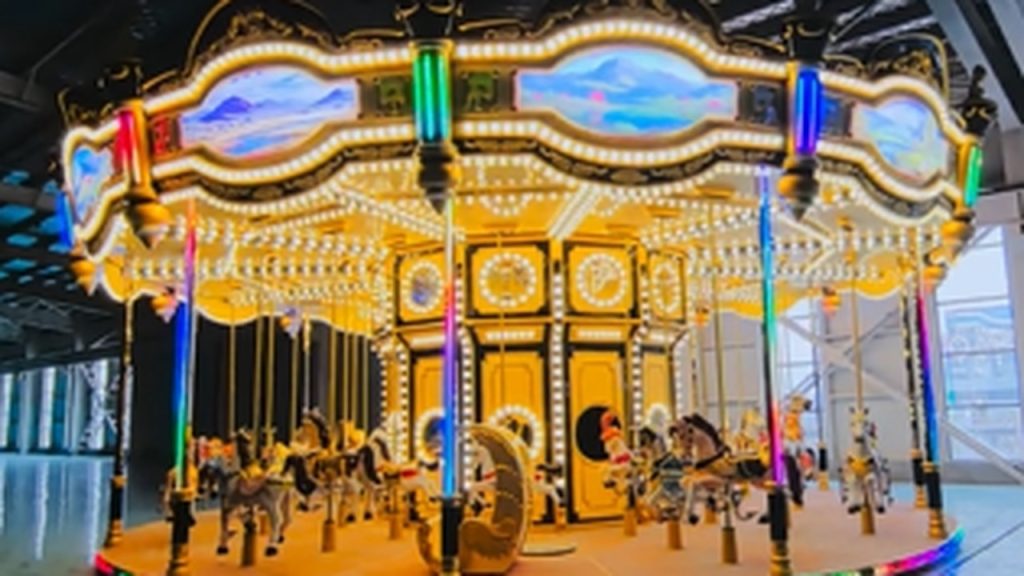
Project evidence, not just product images.
Each case study is anonymized but grounded in real deal records from the DINIS sales database: real countries, real venue types, real client roles and real product combinations. Browse by region or format to find a comparable project.
Colombia family park
Multi-ride family and light-thrill expansion.
Algeria mall FEC
Indoor anchors, family capacity and active play.
Iraq destination park
Resort-linked thrill and family mix.
Malaysia non-powered park
Community playground with low operating cost.
Philippines slide & non-powered
Slide combination plus active play.
Poland double carousel
Double-decker flagship with teacup capacity.
Italy track train
Themed transport for guest circulation.
Russia double carousel
Cold-climate flagship family anchor.
Georgia resort train
Trackless transport for a resort hotel.
Nigeria flying chair
24-seat family rotation anchor.
India rainbow slide & bumper cars
Colorful visual anchor with social play.
USA self-control plane
Compact children’s ride for a small venue.
Greece bumper cars
Serviceable social play for resale.
Saudi track train
High-temperature transport experience.
Peru disco tagada
Compact social play and light thrill.
Dominican family mix
Complementary rides for a children’s zone.
Serbia trackless train
Sightseeing circulation for a zoo.
Bulgaria resort carousel
Family landmark at a hotel entrance.
France carnival carousel
Mobile 30-seat carousel for events.
Portugal track train
Circulation for an event centre.
Canada rental train
Themed train for event and venue use.
Thailand flying chair
Family rotation with broad appeal.
Vietnam soft play & bounce
Indoor active play combination.
Venezuela diesel train
72-seat high-capacity transport.
How DINIS structures a case study
Every project is documented against six evidence points, so the outcome is reproducible rather than anecdotal.
Client context
The operator, venue format and commercial objective.
Procurement problem
The decision the buyer needed to resolve.
Site constraints
Footprint, access, utilities and timeline limits.
Configuration logic
Why the selected mix fits the operating plan.
Delivery control
Manufacture, packaging, installation and commissioning.
Measurable result
The operating outcome the configuration produced.
Regions we serve
Data & method
Case studies are compiled from the DINIS sales and inquiry database. Country, venue type, client role and product mix are factual; client names, company names and exact transaction values are withheld for confidentiality. Project scale is expressed in qualitative bands rather than exact figures.
Buyer signals
Selected signals from the DINIS sales database indicate buyer intent and post-purchase feedback. They are recorded only where the client has provided them.
What credible evidence includes
- A defined client context and procurement objective
- Specific site or operating constraints
- Clear configuration logic
- Documented delivery and result
Start with a qualified brief
Describe the format, footprint and opening date.
What makes project evidence credible
A credible case explains the client context, procurement problem, site constraints, configuration logic, delivery control and result. DINIS anonymizes identity and transaction values while keeping the decision path verifiable.
How to use the project library
Filter by region, venue format and product combination to find a project comparable to your brief, then request the same delivery scope for your site.
The evidence standard
A credible project is not a press release. DINIS documents six evidence points: client context, procurement problem, site constraints, configuration logic, delivery control and measurable result. This makes the outcome reproducible rather than anecdotal.
Client names, company names and exact transaction values are withheld for confidentiality. Country, venue type, client role and product mix remain factual, so a buyer can still judge whether the project is comparable.
How to read a case
Start with the region and venue format, then check the constraints and the configuration logic. A useful case explains why the mix was chosen, not only what was delivered.
What DINIS documents
- The operator, venue format and commercial objective
- The procurement problem and site constraints
- The configuration logic and delivery scope
- The operating result and buyer takeaway
Using the project library
Filter by region, format or product combination to find a project similar to your brief. Then request the same delivery scope for your site and compare it against other suppliers on equal terms.
Evaluating suppliers for Projects
Request the same fields from every supplier: footprint, practical throughput, power, installation support, spare parts and lead time. This makes quotations comparable.
Risk control for Projects
Stating the scope boundary reduces surprises. Confirm foundation guidance, installation supervision, commissioning, training and spare parts before order confirmation.
Phasing Projects
Where the project is phased, DINIS can plan foundations and utilities for a later expansion so the first phase does not block future growth.
Documentation for Projects
A complete document set includes foundation guidance, installation drawings, operation manuals, maintenance schedules and the applicable standard scope for the destination.
How Projects fits a project
The starting point for Projects is the operating requirement, not the product sheet. DINIS reviews the venue, guest profile, throughput, power and destination standards before confirming a configuration. Reference context: DINIS attraction and project scope.
Selecting Projects
Buyers should compare Projects on practical throughput, footprint, power and documentation scope rather than headline price. The selected configuration is documented so the delivered scope can be audited.
Delivery considerations for Projects
Export packaging, site access and installation interfaces affect the schedule. DINIS states which civil works, utilities and local approvals remain the buyer’s responsibility before quotation.
Operating Projects
Operator training covers daily inspection, start-up and shutdown, supervision or restraint procedures, emergency stops and first-line maintenance. A documented routine protects availability.
Maintaining Projects
Accessible wear parts and a spare-parts plan reduce downtime. For DINIS attraction and project scope, confirm the maintenance calendar and lead times before installation.
Standards for Projects
DINIS prepares drawings, manuals, test records and certification scope matched to the delivered configuration and destination market. Confirm the document language early.