
DINIS GLOBAL
Sustainability
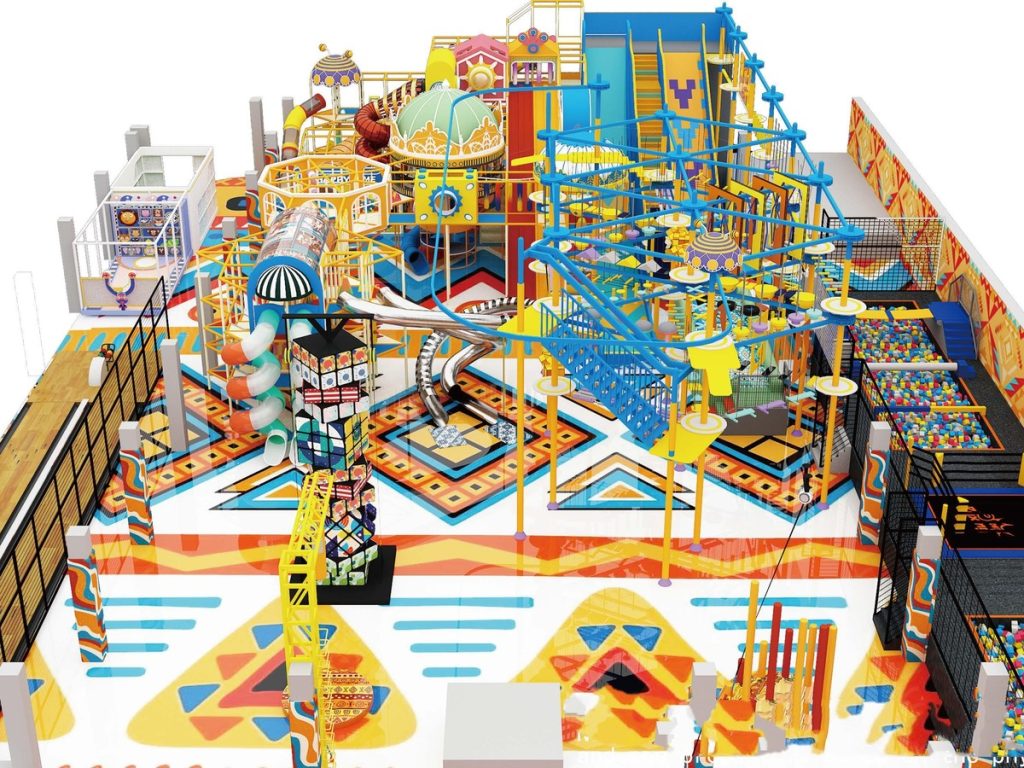
DINIS supports longer equipment life and lower operating friction through durable materials, maintainable structures, efficient drive selection and documented maintenance, without making unverified environmental claims.
Durability as the first sustainability lever
The most practical environmental contribution of an amusement ride is a long service life with replaceable wear parts. DINIS prioritizes corrosion protection, inspection access and spare-parts availability so equipment is maintained rather than prematurely replaced.
Operating efficiency
Drive and lighting configurations are selected for the operating model, including LED lighting options and duty-cycle considerations where they reduce energy use without compromising safety or throughput.
Maintenance and spare parts
A documented maintenance schedule and a starter spare-parts package extend the useful life of structural and wear components, which is the clearest way to reduce lifecycle impact in amusement equipment.
Lifecycle planning
DINIS recommends planning for inspection, refurbishment and end-of-life material separation at the time of purchase, so the equipment remains maintainable over its full operating life.
Verification
DINIS does not publish blanket “green” claims. Environmental attributes are stated only when a specific material, component or operating practice can be documented for the project.
Related pages
Plan for the full life cycle
Ask about durability and maintenance scope.
Prepare a qualified project brief
Before contacting DINIS, prepare the venue format, available footprint, target guest profile, expected throughput, destination country, power supply and target opening date.
Related resources
- <a href="/products/">Products</a>
- <a href="/solutions/">Solutions</a>
- <a href="/projects/">Projects</a>
- <a href="/quality-safety/">Quality & safety</a>
Documentation for Sustainability
A complete document set includes foundation guidance, installation drawings, operation manuals, maintenance schedules and the applicable standard scope for the destination.
How Sustainability fits a project
The starting point for Sustainability is the operating requirement, not the product sheet. DINIS reviews the venue, guest profile, throughput, power and destination standards before confirming a configuration. Reference context: DINIS attraction and project scope.
Selecting Sustainability
Buyers should compare Sustainability on practical throughput, footprint, power and documentation scope rather than headline price. The selected configuration is documented so the delivered scope can be audited.
Delivery considerations for Sustainability
Export packaging, site access and installation interfaces affect the schedule. DINIS states which civil works, utilities and local approvals remain the buyer’s responsibility before quotation.
Operating Sustainability
Operator training covers daily inspection, start-up and shutdown, supervision or restraint procedures, emergency stops and first-line maintenance. A documented routine protects availability.
Maintaining Sustainability
Accessible wear parts and a spare-parts plan reduce downtime. For DINIS attraction and project scope, confirm the maintenance calendar and lead times before installation.
Standards for Sustainability
DINIS prepares drawings, manuals, test records and certification scope matched to the delivered configuration and destination market. Confirm the document language early.
Evaluating suppliers for Sustainability
Request the same fields from every supplier: footprint, practical throughput, power, installation support, spare parts and lead time. This makes quotations comparable.
Risk control for Sustainability
Stating the scope boundary reduces surprises. Confirm foundation guidance, installation supervision, commissioning, training and spare parts before order confirmation.