
Insights & guides
What Technical Documents Should an Operator Receive?
Why documents matter more than the machine

An attraction is operated, inspected and maintained through its documents. When the manuals, drawings and test records are missing or in the wrong language, a perfectly good ride becomes hard to run and hard to keep certified.
For that reason, the documentation set is part of the purchase, not an add-on, and it should be scoped before the order is confirmed.
Documents are how a ride is operated, inspected and kept certified. When they are missing or in the wrong language, a good machine becomes hard to run and hard to justify at inspection.
Put simply, the plan only becomes reliable once this item has an owner and a lead time. The right answer follows from the site and the standard, not from a catalogue entry.
Operationally, the right answer follows from the site and the standard, not from a catalogue entry. DINIS treats this as a verification step, and the evidence is checked before anything is committed.
For project planning, DINIS treats this as a verification step, and the evidence is checked before anything is committed. The right answer follows from the site and the standard, not from a catalogue entry.
On site, it is matched to the destination standards and the delivered scope before the order is fixed. The page keeps this explicit because it is the step where projects most often drift.
What a complete document set includes

A complete set typically includes foundation guidance, installation drawings, operation manuals, maintenance schedules, the inspection points and the test or certification records that support the destination’s requirements.
The exact list varies by ride type and territory, which is why it is matched per project rather than assumed from a standard pack.
A complete set spans foundations, installation, operation, maintenance, inspection points and the records that support certification. The exact list is matched per ride type and territory.
In practice, getting this right early protects the opening date and the budget. The page keeps this explicit because it is the step where projects most often drift.
When comparing suppliers, DINIS treats this as a verification step, and the evidence is checked before anything is committed. Getting this right early protects the opening date and the budget.
For the operating team, the key is to write this down as a step the site team can execute, rather than leave it as a general intention. This is the kind of detail that separates a documented delivery from one that is discovered on site.
At the procurement stage, this is the kind of detail that separates a documented delivery from one that is discovered on site. The right answer follows from the site and the standard, not from a catalogue entry.
Language and usability
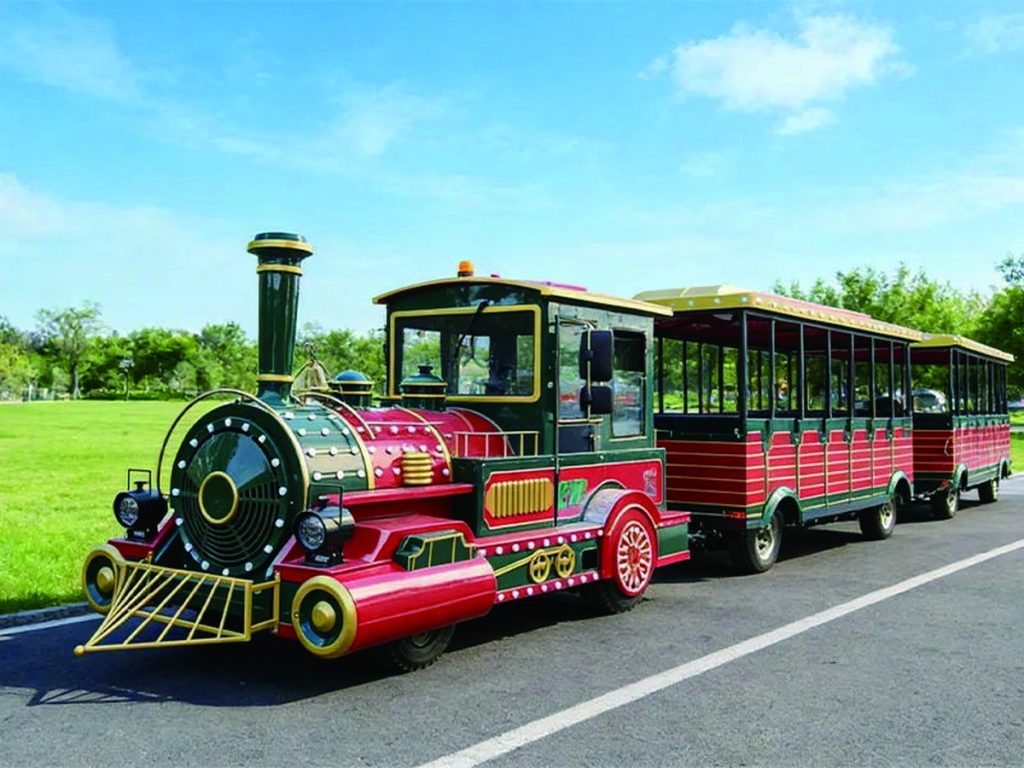
The operator’s team works from these documents every day, so they must be in a language the team can read. Document language is agreed during scoping and should be treated as a delivery requirement, not a courtesy.
Usable manuals separate daily checks from periodic maintenance and make the emergency procedures easy to find, because a manual that is never read does not help.
Language is a delivery requirement, not a courtesy. The team works from these documents daily, and a manual it cannot read does not protect anyone.
For project planning, the same check should be applied to every supplier a buyer compares. It is matched to the destination standards and the delivered scope before the order is fixed.
On site, getting this right early protects the opening date and the budget. The same check should be applied to every supplier a buyer compares.
Put simply, the plan only becomes reliable once this item has an owner and a lead time. The right answer follows from the site and the standard, not from a catalogue entry.
Operationally, the right answer follows from the site and the standard, not from a catalogue entry. DINIS treats this as a verification step, and the evidence is checked before anything is committed.
Records that travel with the machine

Test records and traceability should travel with the equipment, so the installation and commissioning team works from the same data the quality team used to release it. This continuity is what a local authority expects to see.
Keep the quality file complete and dated, because it becomes the evidence trail for inspections across the ride’s life.
Records that travel with the machine keep everyone on the same data. The quality team’s release data is the same data installation and commissioning work from, which is what inspectors expect.
For the operating team, the key is to write this down as a step the site team can execute, rather than leave it as a general intention. This is the kind of detail that separates a documented delivery from one that is discovered on site.
At the procurement stage, the plan only becomes reliable once this item has an owner and a lead time. The key is to write this down as a step the site team can execute, rather than leave it as a general intention.
In practice, the guidance is kept concrete so a buyer can act on it before the first call. The same check should be applied to every supplier a buyer compares.
Documents for inspection and recertification

Annual or periodic inspection depends on the records you kept. A documented inspection routine, dated checks and a clear spare-parts history make the next inspection straightforward and reduce the risk of an unplanned closure.
Ask your supplier how they support inspection and recertification over time, not just at handover.
Inspection and recertification depend on the records kept. Dated checks and a spare-parts history make the next inspection straightforward and reduce unplanned closures.
When comparing suppliers, the page keeps this explicit because it is the step where projects most often drift. The guidance is kept concrete so a buyer can act on it before the first call.
In practice, the right answer follows from the site and the standard, not from a catalogue entry. This is the kind of detail that separates a documented delivery from one that is discovered on site.
At the procurement stage, the plan only becomes reliable once this item has an owner and a lead time. The key is to write this down as a step the site team can execute, rather than leave it as a general intention.
For the operating team, the key is to write this down as a step the site team can execute, rather than leave it as a general intention. This is the kind of detail that separates a documented delivery from one that is discovered on site.
Request documents before you commit

Request a sample document list before ordering, and confirm the language, the certification scope and who owns updates. A supplier that cannot describe its document set is not comparable, regardless of the equipment price.
Include the destination country and the standards the local authority will accept in the brief, so the document scope is priced and planned correctly.
Requesting the document list before ordering, with language and certification scope documented, is the due diligence that pays back for the life of the ride.
Qualified brief first
Operationally, the key is to write this down as a step the site team can execute, rather than leave it as a general intention. The page keeps this explicit because it is the step where projects most often drift.
Put simply, the page keeps this explicit because it is the step where projects most often drift. It is matched to the destination standards and the delivered scope before the order is fixed.
On site, it is matched to the destination standards and the delivered scope before the order is fixed. The page keeps this explicit because it is the step where projects most often drift.
For project planning, the same check should be applied to every supplier a buyer compares. It is matched to the destination standards and the delivered scope before the order is fixed.