
Insights & guides
How to Choose an Attraction Mix for a Family Entertainment Center
Why the mix matters more than any single ride
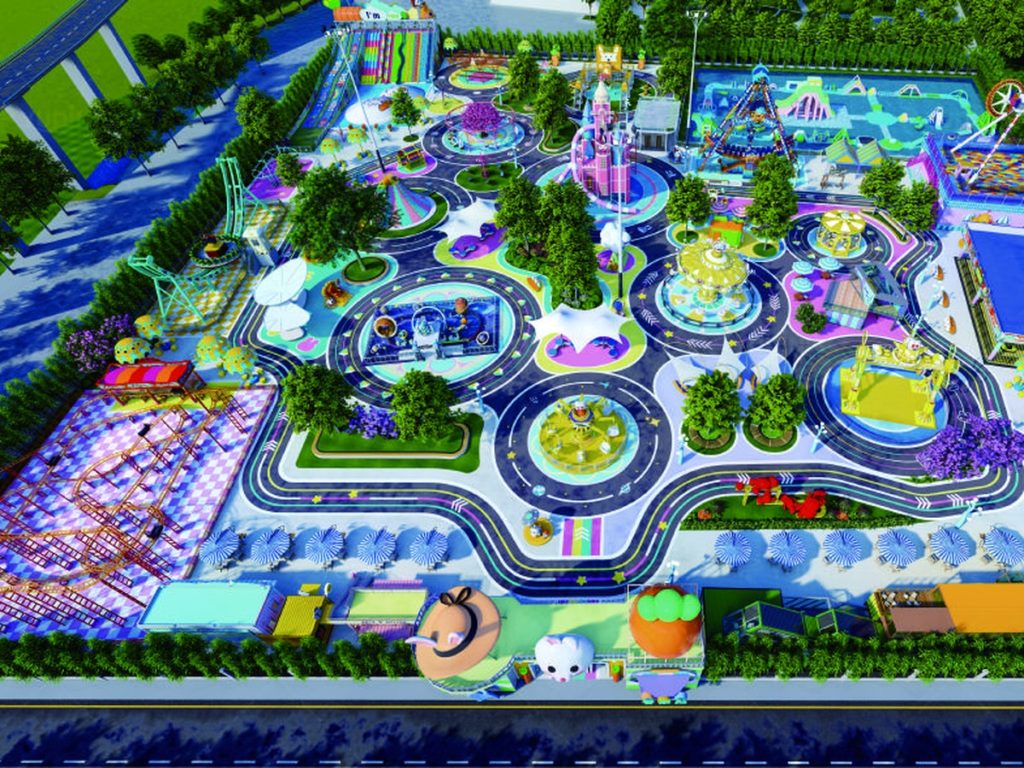
An FEC earns its reputation through the day it creates, not through one headline machine. The right mix spreads demand across age groups, keeps boarding predictable and gives every generation a role in the visit, which is what turns first-time guests into returning visitors.
Choosing rides one at a time usually produces a collection that overlaps on the same audience and leaves gaps elsewhere. A coherent mix is planned from the guest profile and the operating model first.
A common failure is a mix assembled from discounts and availability rather than from the guest profile. The result overlaps on one audience, leaves gaps elsewhere and never quite delivers the repeat visit the business depends on.
On site, the right answer follows from the site and the standard, not from a catalogue entry. The plan only becomes reliable once this item has an owner and a lead time.
For project planning, this is the kind of detail that separates a documented delivery from one that is discovered on site. Getting this right early protects the opening date and the budget.
Operationally, getting this right early protects the opening date and the budget. This is the kind of detail that separates a documented delivery from one that is discovered on site.
Start from the guest profile and dwell time
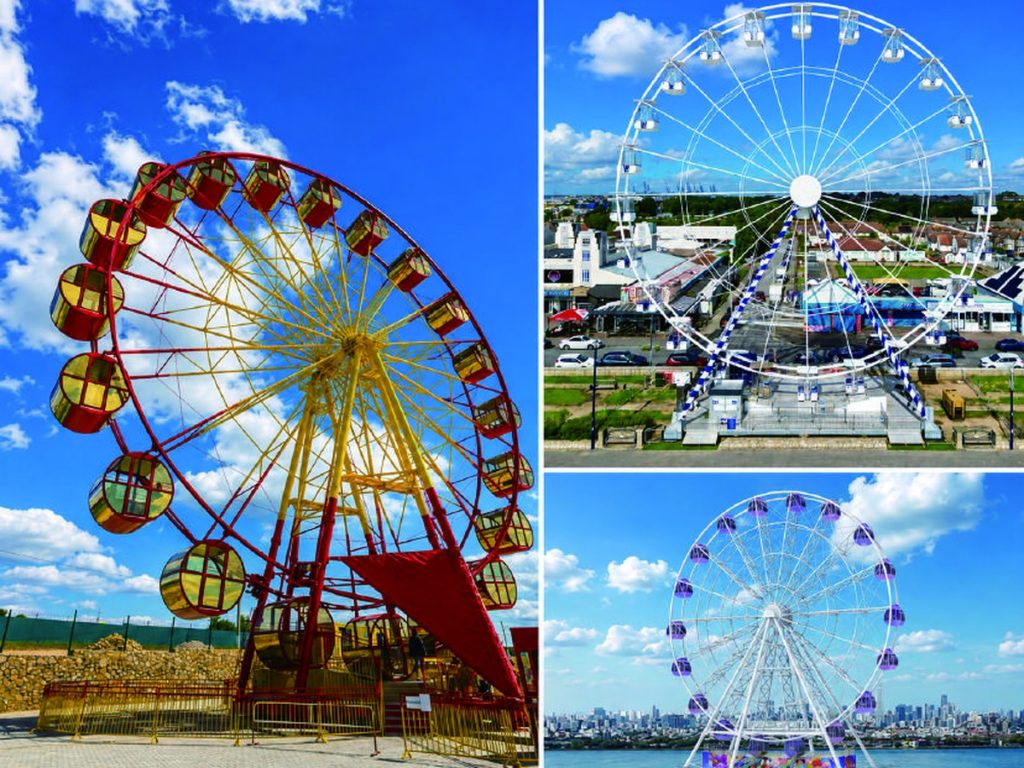
Define who will visit, when and for how long. A family FEC built around toddlers needs different capacity and pacing from one aimed at school-age groups or evening social play. Dwell time determines how many rides a guest can realistically experience and therefore how much capacity to install.
From that profile you can set targets for throughput and repeatability, which are the two numbers that decide whether the venue works on a quiet weekday and a busy weekend alike.
Dwell time is the quiet driver behind capacity. The longer guests stay, the more capacity they consume, so the mix must match the visit the venue can actually sell rather than the visit it hopes for.
At the procurement stage, the same check should be applied to every supplier a buyer compares. The guidance is kept concrete so a buyer can act on it before the first call.
For the operating team, it is matched to the destination standards and the delivered scope before the order is fixed. The plan only becomes reliable once this item has an owner and a lead time.
When comparing suppliers, the same check should be applied to every supplier a buyer compares. The right answer follows from the site and the standard, not from a catalogue entry.
Balance signature, family and circulation
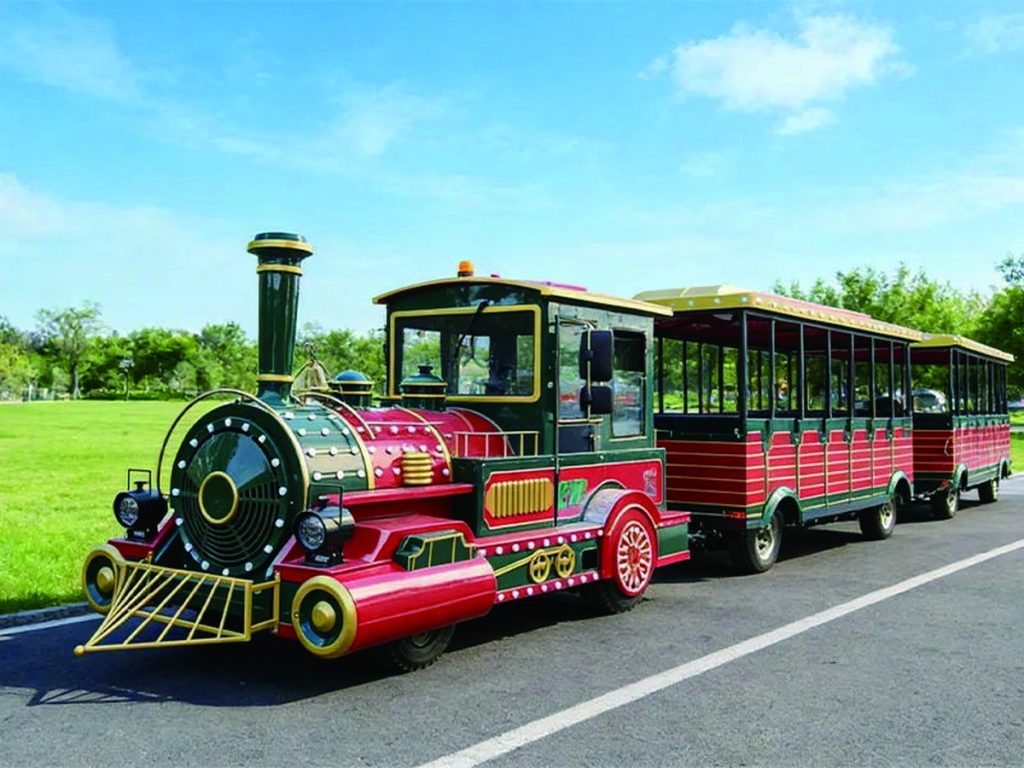
A useful mix has three roles. A signature piece gives identity and a reason to visit; family and kids rides provide repeatable capacity; and circulation or transport moves guests where the layout is long or the zones are separate.
Nothing should be added only to fill a footprint. Every ride should earn its place against the guest profile and the floor area it consumes.
The three roles work together: identity gets people in the door, repeatable capacity keeps the day moving, and circulation stops the layout from becoming a bottleneck. Cut one and the others start to fail.
Operationally, it is matched to the destination standards and the delivered scope before the order is fixed. The same check should be applied to every supplier a buyer compares.
Put simply, the plan only becomes reliable once this item has an owner and a lead time. The right answer follows from the site and the standard, not from a catalogue entry.
On site, getting this right early protects the opening date and the budget. The same check should be applied to every supplier a buyer compares.
For project planning, the same check should be applied to every supplier a buyer compares. It is matched to the destination standards and the delivered scope before the order is fixed.
Match the mix to the building envelope

Indoor FECs are decided by ceiling height, floor loading, power and fire or evacuation requirements. The equipment list follows the building rather than the reverse, so a ride that does not fit the envelope should be cut before it becomes a late-stage problem.
Confirm the power supply and any structural limits early, because re-engineering after the lease is signed is the most expensive way to discover a constraint.
The building envelope is the harshest editor of an indoor mix. A ride that needs more clearance or power than the lease provides is not a bargain; it is a problem waiting for a late-stage redesign.
When comparing suppliers, the same check should be applied to every supplier a buyer compares. The right answer follows from the site and the standard, not from a catalogue entry.
In practice, it is matched to the destination standards and the delivered scope before the order is fixed. DINIS treats this as a verification step, and the evidence is checked before anything is committed.
At the procurement stage, the same check should be applied to every supplier a buyer compares. The guidance is kept concrete so a buyer can act on it before the first call.
Keep operations simple
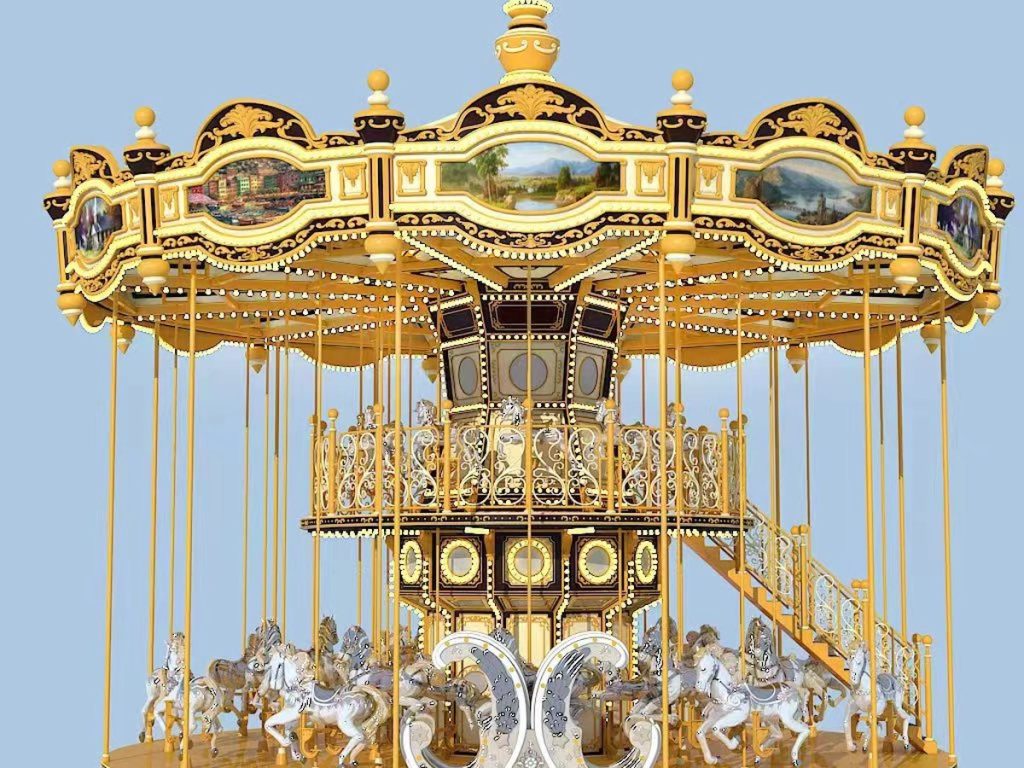
FECs are usually run by lean teams, so operational simplicity is worth as much as spectacle. Rides that can be inspected, maintained and staffed locally keep running longer and cost less to own than a flagship that depends on scarce specialist support.
Prefer equipment with clear daily checks, accessible wear parts and a realistic training load for the number of staff you can actually roster.
Simplicity compounds: equipment with clear daily checks and accessible parts can be run by the team you can afford, which is what keeps the venue open on the days it most needs to be.
For the operating team, the right answer follows from the site and the standard, not from a catalogue entry. The same check should be applied to every supplier a buyer compares.
At the procurement stage, DINIS treats this as a verification step, and the evidence is checked before anything is committed. The key is to write this down as a step the site team can execute, rather than leave it as a general intention.
In practice, the right answer follows from the site and the standard, not from a catalogue entry. This is the kind of detail that separates a documented delivery from one that is discovered on site.
Turn the plan into a brief

When the mix is drafted, write it down as a brief: venue format, footprint, guest profile, expected throughput, power supply, destination country and target opening date. That brief returns a qualified shortlist instead of a generic price list.
Then compare suppliers on the same fields, including documentation, installation support and spare parts, rather than on headline price alone.
Writing the plan as a brief is what turns a nice-to-have into a purchasable project. The brief is short, but it is exactly what a supplier needs to return a qualified shortlist instead of a generic price list.
Qualified brief first
For project planning, the plan only becomes reliable once this item has an owner and a lead time. The guidance is kept concrete so a buyer can act on it before the first call.
On site, getting this right early protects the opening date and the budget. The same check should be applied to every supplier a buyer compares.
Put simply, the page keeps this explicit because it is the step where projects most often drift. It is matched to the destination standards and the delivered scope before the order is fixed.
Operationally, the guidance is kept concrete so a buyer can act on it before the first call. The plan only becomes reliable once this item has an owner and a lead time.