
DINIS GLOBAL
Italy Track Train
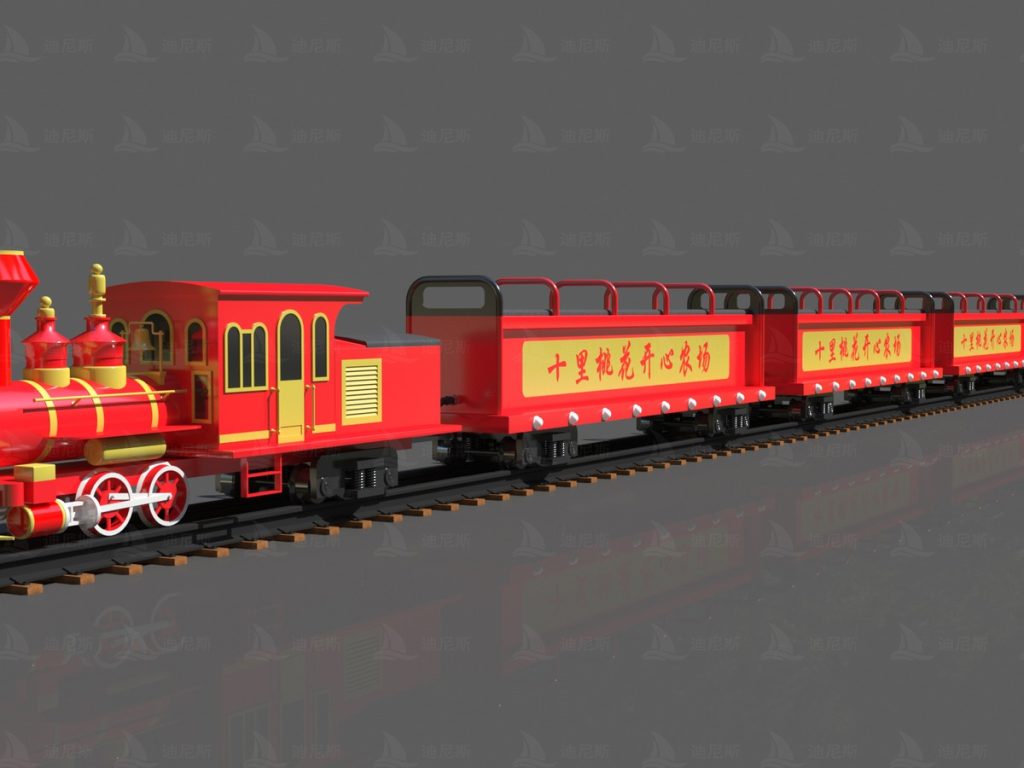
Anonymized from DINIS sales records. Country, venue, client role and product mix are factual; client name and transaction value are withheld for confidentiality.
Project context: Park route in Europe

This project describes a starter project delivered for a park operator operating a park route in Europe. The site context is Park route; repeat-order intent. DINIS records it as part of its anonymized delivery log so buyers can see how a configuration is justified in a real operating environment rather than in a catalogue description.
DINIS records the Europe delivery factually and withholds the client name and value, so the case can be published without breaking confidentiality.
A buyer planning a comparable park route should copy the decision order rather than the product list, because that order is what made the project repeatable.
- Region: Europe
- Client type: Park operator
- Venue: Park route
- Scale: Starter project
- Site / feature: Park route; repeat-order intent
The country and venue role for this Europe project are factual; the client name and transaction value are withheld, which keeps the evidence usable without exposing the operator.
DINIS records the Europe delivery factually and withholds the client name and value, so the case can be published without breaking confidentiality.
What is published about the Europe project is limited to what can be stated factually: venue, role, constraints and mix, with the client identity protected.
The buyer’s operating challenge

The buyer needed equipment that would work within an existing park operator business in Europe, balancing capital cost, operating labour and the visit the venue could realistically attract.
The starting question for the Europe project was therefore about throughput and day-part behaviour: which guests would arrive, how long they would stay and which rides would keep them moving.
For this park operator, defining the visit first and the equipment second avoided the usual mismatch between catalogue and operating reality.
The buyer needed equipment that would work within an existing park operator business in Europe, balancing capital cost, operating labour and the visit the venue could realistically attract.
As a park operator in Europe, the buyer was weighing capital cost, staffing and the guest mix the park route could sustain.
The Europe buyer came with a business constraint, not a wish list: the rides had to fit the staffing, the season and the visit the venue could sell.
The starting question for the Europe project was therefore about throughput and day-part behaviour: which guests would arrive, how long they would stay and which rides would keep them moving.
For this park route, capacity targets were set from guest mix and dwell time before any model was shortlisted.
Site and compliance constraints
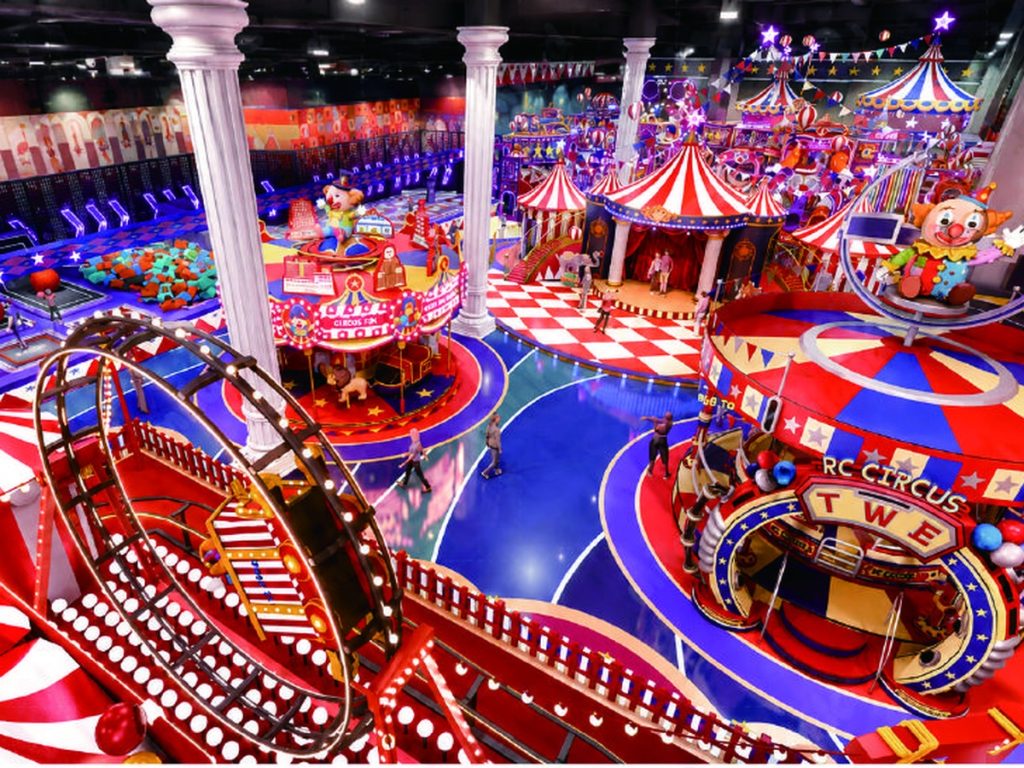
In Europe, the binding constraints were site access, power availability and the documentation the local authority would accept. The site feature (Park route; repeat-order intent) added a specific constraint that shaped the layout. Each of these was resolved before the order was fixed.
Fixing the park route envelope before the order kept the specification stable and the handover date credible for the Europe project.
Documentation for the Europe venue was scoped before the order, covering the standard, the language and the inspection route the local authority required.
For this Europe delivery the same discipline applied to documentation: the accepted standard, the document language and the inspection route were confirmed during scoping.
The Europe project also fixed the certification question early, so the package arrived ready to certify rather than ready to argue about.
How the attraction mix was configured

The attraction mix was built around 54 Seat Track Train, Trackless Train. The combination was chosen to spread demand across age groups, keep boarding predictable and give the venue both a signature piece and repeatable capacity.
The Europe mix was assembled around dwell time, identity and circulation, so each zone had a job rather than a decorative extra.
Each ride was justified against the park route it would serve: the footprint it consumed, the power it drew and the staff it required.
- 54 Seat Track Train
- Trackless Train
Configuration logic followed the operating plan: family and children rides for dwell time, a visual anchor for identity, and transport where the park route had to move guests between zones.
The Europe mix was assembled around dwell time, identity and circulation, so each zone had a job rather than a decorative extra.
For the park route, the mix balanced a signature anchor with repeatable family capacity and circulation, matched to the layout.
Each ride was justified against the park route it would serve: the footprint it consumed, the power it drew and the staff it required.
Nothing in this Europe mix was added only to fill space; every unit had to earn its place against footprint, power and staffing.
Delivery, installation and handover controls
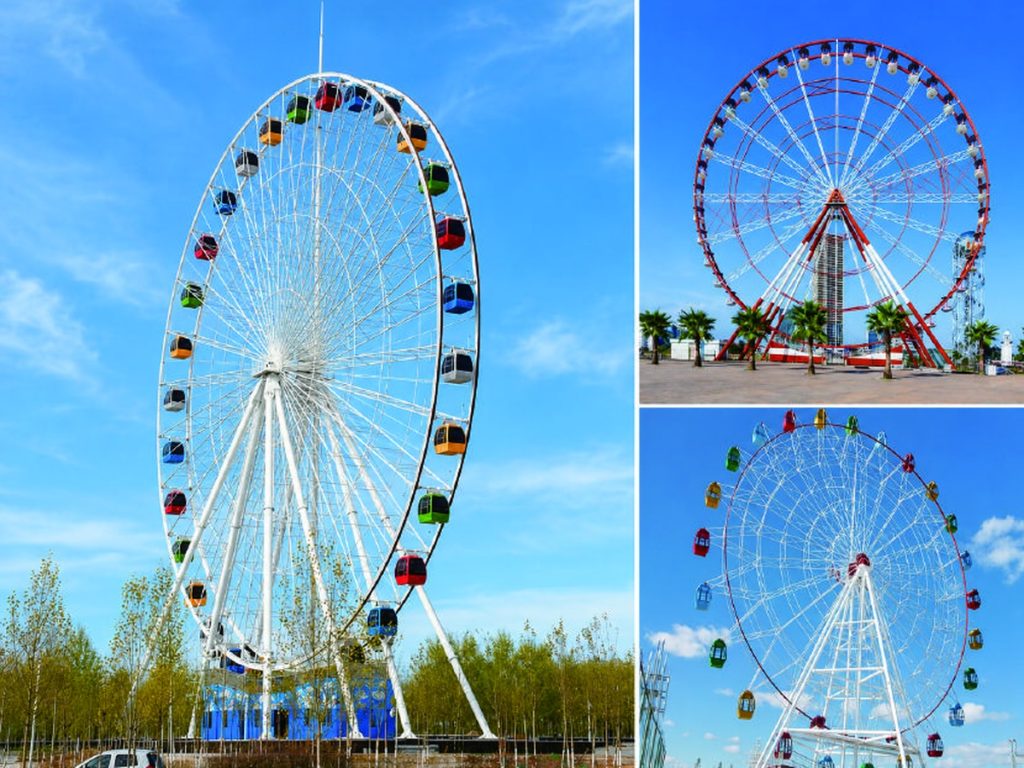
Delivery controls for the Europe project were defined before shipment: foundation and utility interfaces, supervision or remote review, commissioning checks and operator training.
The Europe handover handed over documented checks and a trained team, so opening day did not depend on DINIS staying on site.
For this park route, the handover date was protected by sequencing freight, customs and site readiness in advance.
Delivery controls for the Europe project were defined before shipment: foundation and utility interfaces, supervision or remote review, commissioning checks and operator training.
Before shipment, the Europe scope fixed the foundation and utility interfaces, the supervision route and the training plan.
The park operator received a scope that defined foundations, utilities, supervision, commissioning and training before the order left the factory.
Handover for the park route ended with documented checks rather than a signature alone, and the operator received start-up, shutdown, inspection and evacuation practice.
The Europe handover handed over documented checks and a trained team, so opening day did not depend on DINIS staying on site.
For the park operator, handover meant verified checks, routines and a parts list, not a signature on a delivery note.
Sequencing around shipping, customs and site readiness protected the opening date for the Europe project, with buyer tasks written down and tracked.
Results, lessons and how to apply them
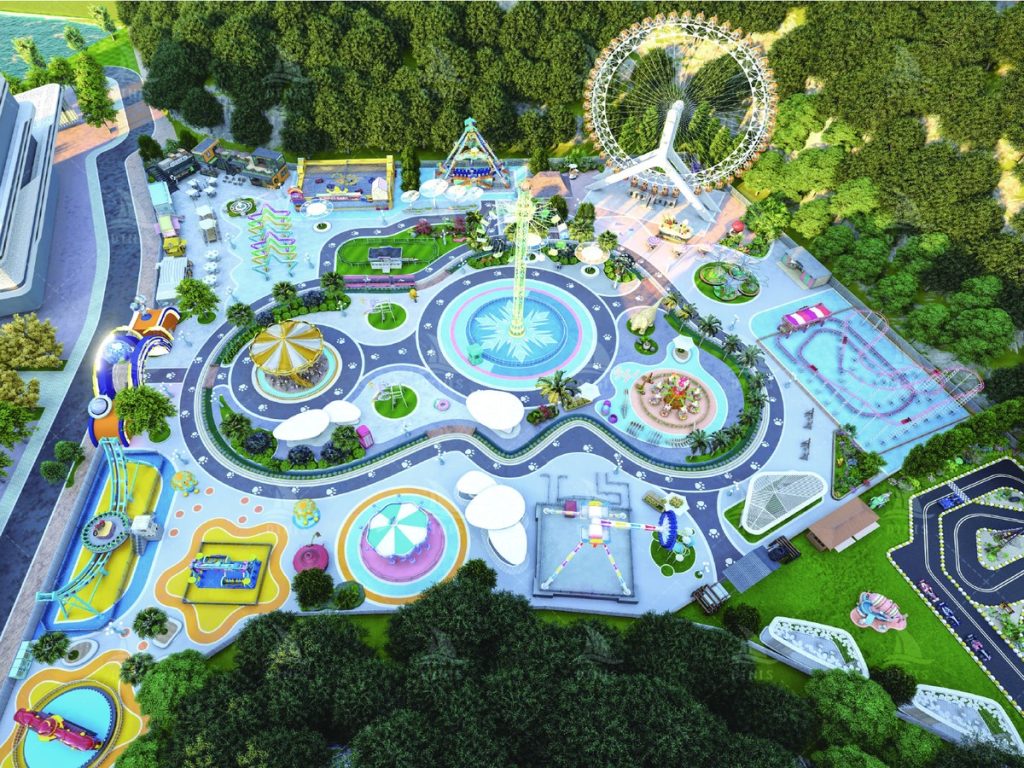
The recorded buyer signal for this project is: Positive evaluation recorded; repeat-order intent. The transferable lesson from Europe is that a coherent mix beats a single flagship when the goal is daily, all-weather operation at starter project scale.
The repeatable recipe from the Europe project is model, then utilities and standards, then rides, in that order.
The case also shows that anonymity does not weaken the evidence: Europe, venue role, constraints and product mix carry enough information to judge the approach.
The transferable lesson from Europe is that a coherent mix beats a single flagship when the goal is daily, all-weather operation at starter project scale.
The Europe case shows a starter project matched to a realistic visitor and revenue model, with the mix carrying the day rather than one ride.
For a park operator in Europe, the lesson is that mix and model beat flagship alone, and scale is matched to revenue.
The case also shows that anonymity does not weaken the evidence: Europe, venue role, constraints and product mix carry enough information to judge the approach.
Even anonymized, this Europe case carries the information that matters, while the commercially sensitive details stay protected.
Questions this project answers
How do I brief a similar venue?
Start with guest profile, peak-day throughput, footprint, power, destination standards and target opening date, then let the ride mix follow from those inputs.
Why are the client details anonymized?
DINIS publishes country, venue role and product mix, but withholds client names and transaction values for confidentiality.
What delivery scope should I expect?
Foundation and utility interfaces, installation supervision or remote review, commissioning, operator training and a starting spare-parts list, with civil works and local approvals defined per project.
Related resources
Qualified brief first
Send the footprint, guest profile and opening date.
Related attractions
Equipment behind this project.

54-Seat Track Train
A 54-passenger track train with one locomotive and three 18-passenger covered cars.
- Capacity
- 54 passengers
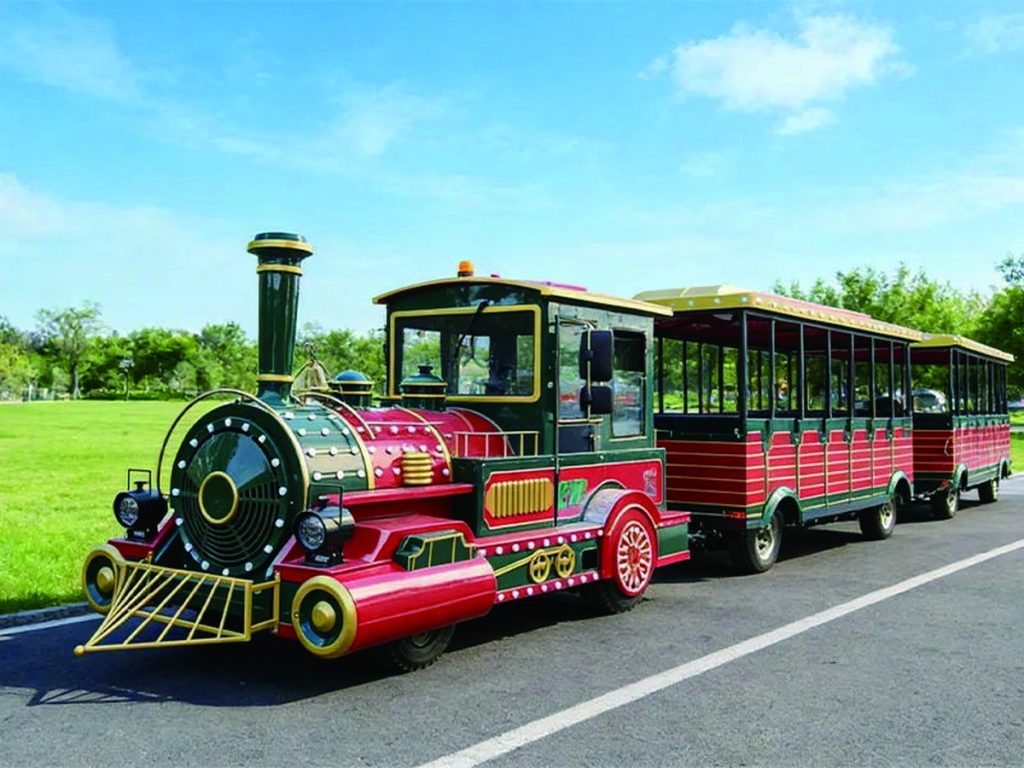
Trackless Train
40, 56 or 70 seats; electric or fuel options; retro, fairy-tale or scenic themes; designed for park roads and controlled routes.
View specification →