Insights & guides
Ferris Wheels as a Landmark Investment: Planning Guide
A landmark is a different investment
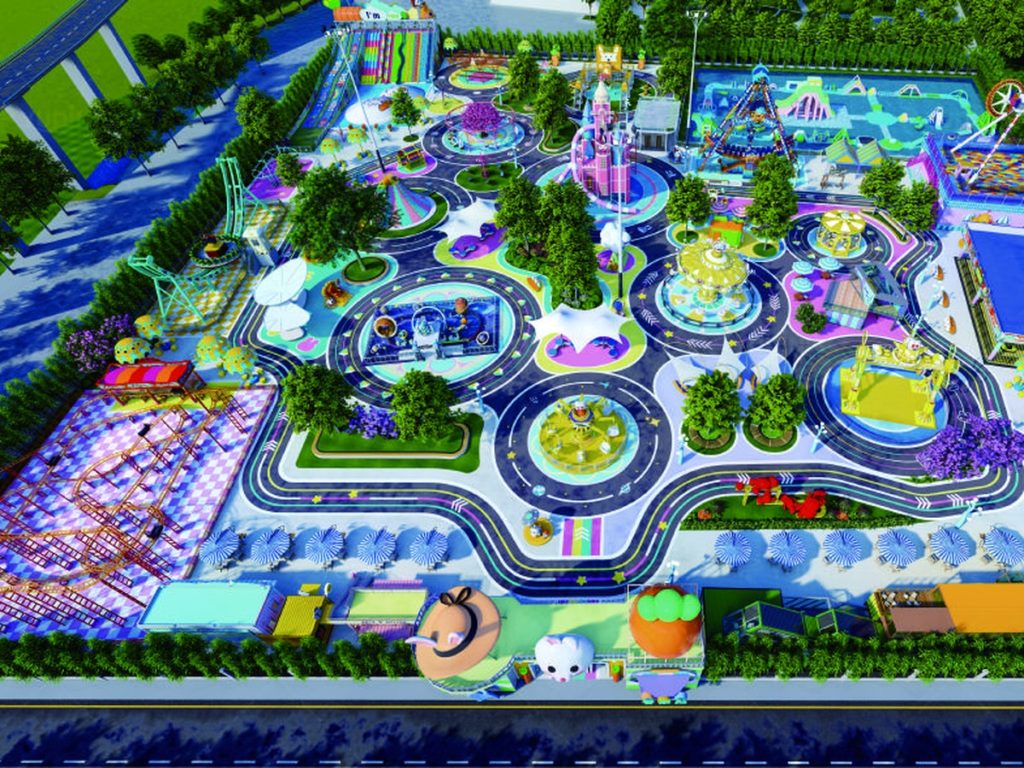
A Ferris wheel is more than a ride; it is a landmark that carries the venue’s identity, especially at night. That changes the investment logic: the business case includes photography, observation revenue and destination value, not just ride tickets.
It also changes the engineering: height, wind load, foundations and evacuation all scale with the wheel, so the capital decision is a structural and operational one.
The landmark logic includes photography, observation revenue and night-time identity, not just ride tickets. That broader business case changes how height and cabins are evaluated.
On site, getting this right early protects the opening date and the budget. The same check should be applied to every supplier a buyer compares.
For project planning, DINIS treats this as a verification step, and the evidence is checked before anything is committed. The right answer follows from the site and the standard, not from a catalogue entry.
Operationally, the right answer follows from the site and the standard, not from a catalogue entry. DINIS treats this as a verification step, and the evidence is checked before anything is committed.
Put simply, the page keeps this explicit because it is the step where projects most often drift. It is matched to the destination standards and the delivered scope before the order is fixed.
Height, cabins and throughput
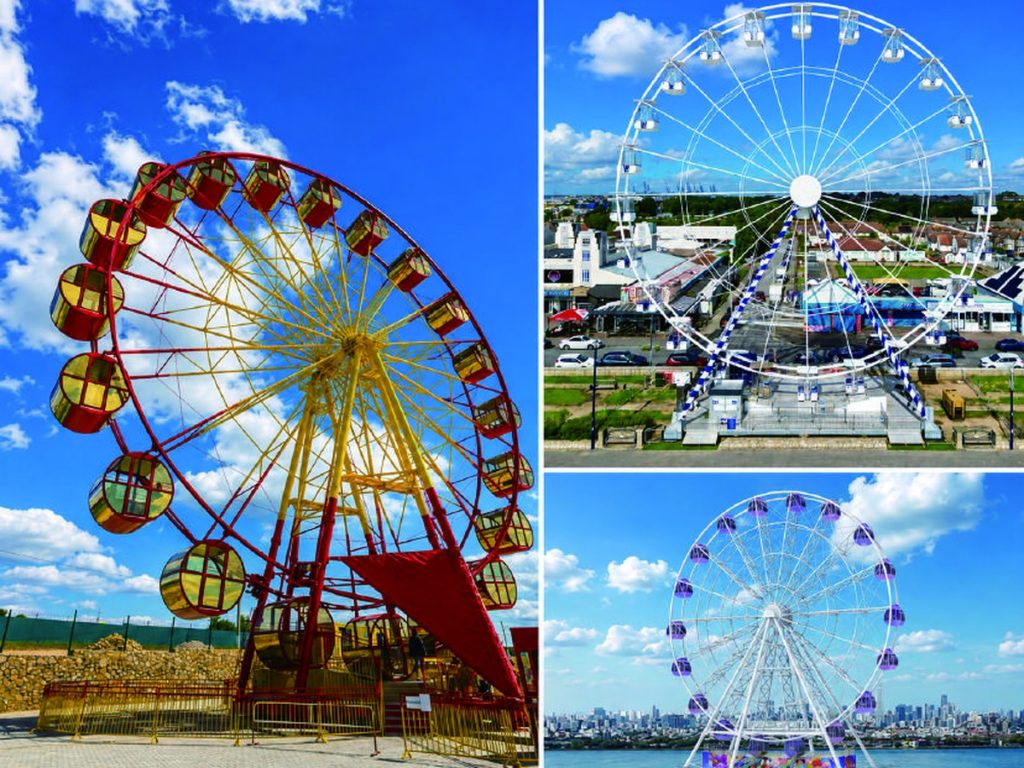
Common heights range from around 20 m to 88 m, with project-specific options beyond that. Cabin quantity, capacity and cycle time set the throughput, and the drive system is engineered to the site.
Higher is not automatically better. The right height balances the view, the wind and structural budget, the foundation and the operating cost against the revenue the wheel can actually generate.
Higher is not automatically better. The right height balances the view, the wind and structural budget, the foundation and the operating cost against the revenue the wheel can actually generate.
At the procurement stage, this is the kind of detail that separates a documented delivery from one that is discovered on site. The right answer follows from the site and the standard, not from a catalogue entry.
For the operating team, it is matched to the destination standards and the delivered scope before the order is fixed. The plan only becomes reliable once this item has an owner and a lead time.
When comparing suppliers, the page keeps this explicit because it is the step where projects most often drift. The guidance is kept concrete so a buyer can act on it before the first call.
The foundation and site interface
A wheel is a wind-sensitive structure, so the foundation and the load path are central. DINIS provides foundation guidance and installation drawings, while the civil work and local approvals are typically the buyer’s responsibility.
Confirm the ground conditions, wind environment and access early, because they determine the structure and the schedule more than the cabin colour does.
The foundation and the load path are central because a wheel is a wind-sensitive structure. Ground conditions and access decide the structure and the schedule more than the cabin colour does.
Operationally, the key is to write this down as a step the site team can execute, rather than leave it as a general intention. The page keeps this explicit because it is the step where projects most often drift.
Put simply, this is the kind of detail that separates a documented delivery from one that is discovered on site. The guidance is kept concrete so a buyer can act on it before the first call.
On site, the key is to write this down as a step the site team can execute, rather than leave it as a general intention. DINIS treats this as a verification step, and the evidence is checked before anything is committed.
Night-time operation and energy

A landmark wheel earns much of its value at night. LED lighting and a clean silhouette turn the structure into an advertising and social-media asset, which is why lighting is treated as a design feature rather than decoration.
Plan the lighting and the energy use together, so the night-time presence is spectacular without an operating cost that erodes the observation revenue.
Night-time operation is where much of the value sits. LED lighting turns the structure into an advertising and social asset, and it is planned with energy use rather than bolted on.
When comparing suppliers, the same check should be applied to every supplier a buyer compares. The right answer follows from the site and the standard, not from a catalogue entry.
In practice, the guidance is kept concrete so a buyer can act on it before the first call. The same check should be applied to every supplier a buyer compares.
At the procurement stage, the plan only becomes reliable once this item has an owner and a lead time. The key is to write this down as a step the site team can execute, rather than leave it as a general intention.
For the operating team, it is matched to the destination standards and the delivered scope before the order is fixed. The plan only becomes reliable once this item has an owner and a lead time.
Maintenance and evacuation planning
Wheels need a documented inspection routine for the hub, rim, cabins and drive, plus a realistic evacuation and rescue plan agreed with the local authority. Accessible wear parts and trained staff keep the asset inside its operating envelope.
A wheel that cannot be evacuated or maintained locally is a liability, so the maintenance and rescue plan belongs in the investment decision.
Maintenance and evacuation are part of the investment, not an afterthought. A wheel that cannot be inspected or evacuated locally is a liability, so the rescue plan is agreed before opening.
For the operating team, the key is to write this down as a step the site team can execute, rather than leave it as a general intention. This is the kind of detail that separates a documented delivery from one that is discovered on site.
At the procurement stage, the page keeps this explicit because it is the step where projects most often drift. Getting this right early protects the opening date and the budget.
In practice, getting this right early protects the opening date and the budget. The page keeps this explicit because it is the step where projects most often drift.
When comparing suppliers, DINIS treats this as a verification step, and the evidence is checked before anything is committed. Getting this right early protects the opening date and the budget.
How to evaluate a wheel proposal

Compare proposals on height, cabin count, throughput, power, foundation scope, documentation and the maintenance and evacuation plan, not on price alone. Ask for reference projects and the document set for the destination.
Send the site, wind environment, power supply and target opening date with your brief, and the shortlist will reflect the engineering rather than the brochure.
Evaluation comes down to comparable fields: height, cabins, throughput, power, foundation scope, documentation and the maintenance plan, with reference projects requested for the destination.
Qualified brief first
For project planning, the same check should be applied to every supplier a buyer compares. It is matched to the destination standards and the delivered scope before the order is fixed.
On site, it is matched to the destination standards and the delivered scope before the order is fixed. The page keeps this explicit because it is the step where projects most often drift.
Put simply, this is the kind of detail that separates a documented delivery from one that is discovered on site. The guidance is kept concrete so a buyer can act on it before the first call.
Operationally, the key is to write this down as a step the site team can execute, rather than leave it as a general intention. The page keeps this explicit because it is the step where projects most often drift.