
Insights & guides
Foundation, Shipping and Installation: Early Decisions That Protect the Schedule
Why these three steps decide the schedule

Foundation, shipping and installation are where a well-priced ride becomes an on-time park, or a well-priced ride becomes a delayed asset. They share one property: each has interfaces that must be defined before the work starts.
When those interfaces are assumed rather than written down, the project discovers them on site, which is the most expensive place to learn.
These three steps share one property: each has interfaces that must be written down before the work starts. Assumed interfaces become site discoveries, and site discoveries are the most expensive kind.
Operationally, the key is to write this down as a step the site team can execute, rather than leave it as a general intention. The page keeps this explicit because it is the step where projects most often drift.
Put simply, the plan only becomes reliable once this item has an owner and a lead time. The right answer follows from the site and the standard, not from a catalogue entry.
On site, the guidance is kept concrete so a buyer can act on it before the first call. This is the kind of detail that separates a documented delivery from one that is discovered on site.
Foundation guidance and the civil interface

The foundation is the handshake between the ride and the site. DINIS provides foundation guidance and installation drawings, while the civil work and local approvals are typically the buyer’s responsibility. That split must be explicit before shipment.
Confirm soil or floor conditions, loadings and access early, because a foundation that is re-engineered after the ride arrives will move the opening date and the budget.
The foundation is the handshake between machine and site. Guidance and drawings come from the supplier, but the civil work and approvals are usually the buyer’s, and that split must be explicit.
When comparing suppliers, the same check should be applied to every supplier a buyer compares. The right answer follows from the site and the standard, not from a catalogue entry.
In practice, getting this right early protects the opening date and the budget. The page keeps this explicit because it is the step where projects most often drift.
At the procurement stage, the same check should be applied to every supplier a buyer compares. The guidance is kept concrete so a buyer can act on it before the first call.
For the operating team, the right answer follows from the site and the standard, not from a catalogue entry. The same check should be applied to every supplier a buyer compares.
Export packaging matched to the route
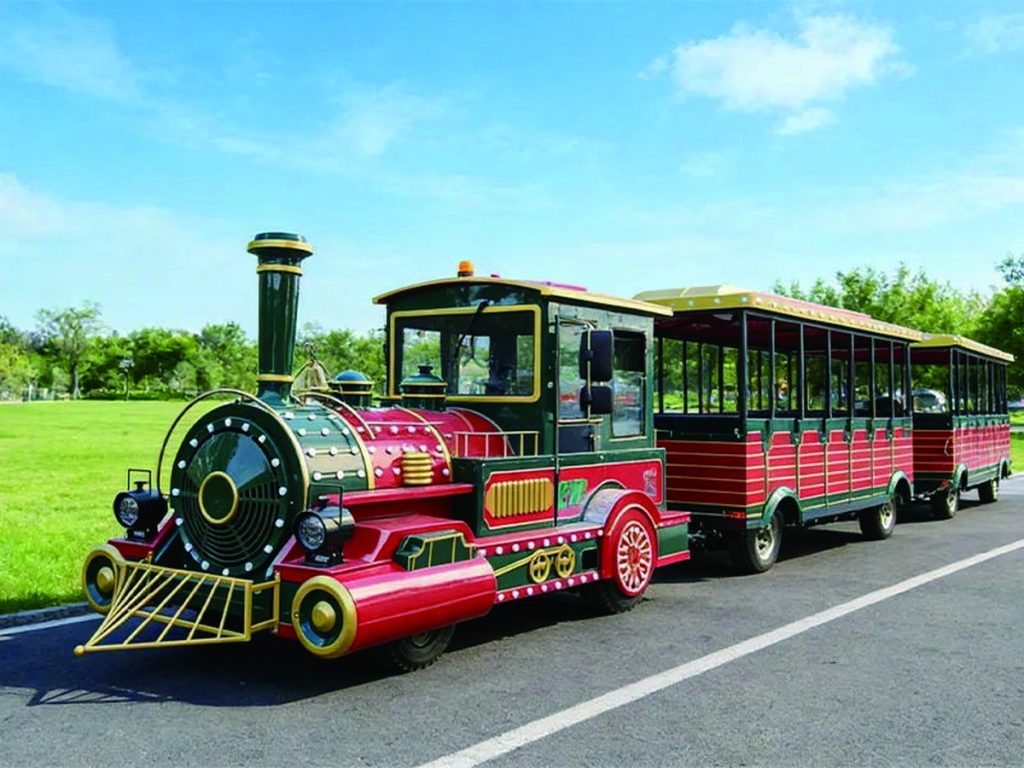
Packaging is matched to the route and the site: containerized where possible, crated and labelled for mixed inland delivery, with spare parts consolidated so commissioning is not held up by a missing component.
Export documentation is prepared alongside manufacturing, so freight and customs are planned rather than discovered after the machine is built.
Packaging is specified from the route, not the factory. Transshipment and inland delivery are harder on the equipment than the first leg, so protection and labelling are planned for the full journey.
On site, it is matched to the destination standards and the delivered scope before the order is fixed. The page keeps this explicit because it is the step where projects most often drift.
For project planning, the same check should be applied to every supplier a buyer compares. It is matched to the destination standards and the delivered scope before the order is fixed.
Operationally, the guidance is kept concrete so a buyer can act on it before the first call. The plan only becomes reliable once this item has an owner and a lead time.
Put simply, DINIS treats this as a verification step, and the evidence is checked before anything is committed. The key is to write this down as a step the site team can execute, rather than leave it as a general intention.
Installation supervision and remote review

DINIS can provide on-site installation supervision, remote technical review or a combination matched to the project. The delivered scope states which lifting, utilities and local approvals remain the buyer’s responsibility.
For overseas projects, remote review keeps cost down while on-site supervision is reserved for the stages where physical presence matters most, such as alignment and safety-device checks.
Supervision and remote review are matched to the project. Remote review controls cost, while on-site presence is reserved for the stages where physical presence actually changes the outcome.
At the procurement stage, DINIS treats this as a verification step, and the evidence is checked before anything is committed. It is matched to the destination standards and the delivered scope before the order is fixed.
For the operating team, the guidance is kept concrete so a buyer can act on it before the first call. The page keeps this explicit because it is the step where projects most often drift.
When comparing suppliers, the page keeps this explicit because it is the step where projects most often drift. The guidance is kept concrete so a buyer can act on it before the first call.
In practice, the key is to write this down as a step the site team can execute, rather than leave it as a general intention. The plan only becomes reliable once this item has an owner and a lead time.
Commissioning and handover checks

Commissioning includes function checks, safety-device verification and a trial-operation period. Handover ends with documented checks rather than a signature alone, so the operator has the routines and inspection points before opening day.
The operator should receive start-up and shutdown procedures, restraint or supervision guidance, and emergency-stop and evacuation practice.
Commissioning is where the machine becomes a ride: function checks, safety-device verification and a trial period, followed by documented handover checks rather than a signature alone.
In practice, the right answer follows from the site and the standard, not from a catalogue entry. This is the kind of detail that separates a documented delivery from one that is discovered on site.
When comparing suppliers, DINIS treats this as a verification step, and the evidence is checked before anything is committed. Getting this right early protects the opening date and the budget.
For the operating team, getting this right early protects the opening date and the budget. DINIS treats this as a verification step, and the evidence is checked before anything is committed.
At the procurement stage, DINIS treats this as a verification step, and the evidence is checked before anything is committed. It is matched to the destination standards and the delivered scope before the order is fixed.
Sequence it before you commit

Build the schedule backwards from the target opening date: installation, customs and freight, packaging and dispatch, manufacturing, and finally the order. Each step has a lead time that must be confirmed, not assumed.
Bring that sequence to your supplier and ask which steps are theirs and which are yours. The answer is more valuable than any single number.
The readiness checklist assigns an owner and a lead time to each step, which is what turns a delivery into a project with a protected opening date.
Qualified brief first
Put simply, the plan only becomes reliable once this item has an owner and a lead time. The right answer follows from the site and the standard, not from a catalogue entry.
Operationally, it is matched to the destination standards and the delivered scope before the order is fixed. The same check should be applied to every supplier a buyer compares.
For project planning, this is the kind of detail that separates a documented delivery from one that is discovered on site. Getting this right early protects the opening date and the budget.
On site, it is matched to the destination standards and the delivered scope before the order is fixed. The page keeps this explicit because it is the step where projects most often drift.