
DINIS GLOBAL
Scenic & Tourist Areas
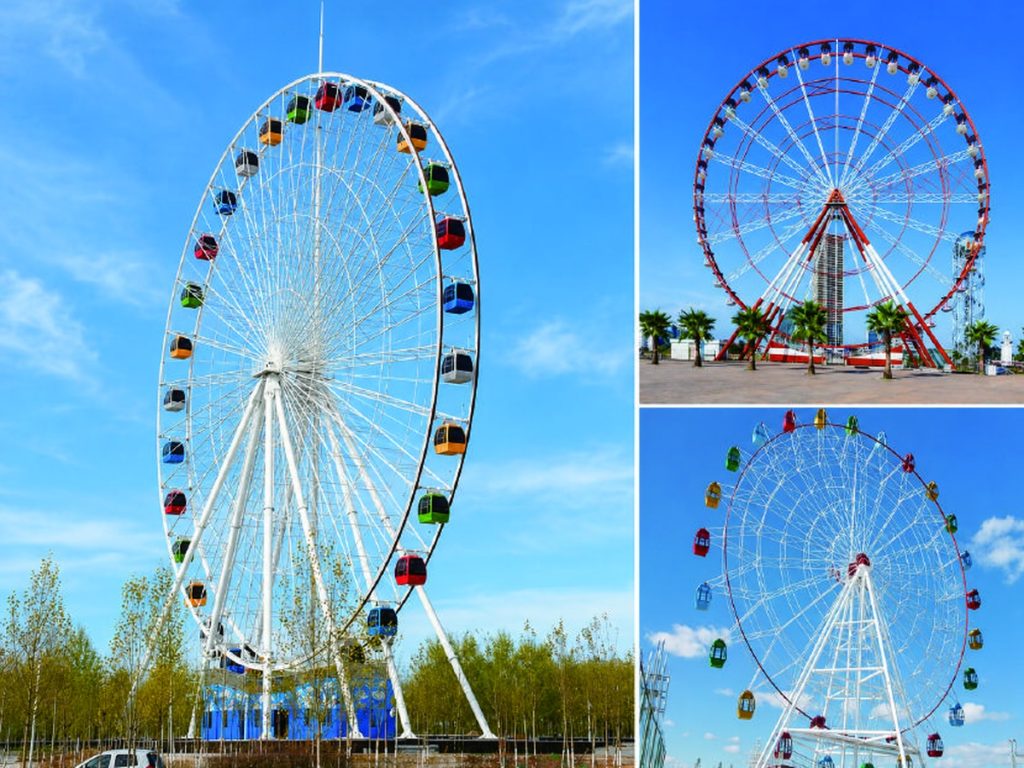
A scenic-area solution adds observation, transport and family attractions that extend dwell time and per-capita spend without overwhelming the landscape or requiring heavy civil works.
Who this is for
Scenic areas, tourism resorts, nature parks and agriculture-tourism complexes. The buyer wants secondary revenue and off-season traffic with low-impact site planning.
The core procurement problem
Scenic sites often select visually attractive equipment without resolving the route, foundation, power access or environmental sensitivity. The result is a delayed approval or a poorly integrated attraction.
How the solution is structured
- Trackless trains and observation attractions
- Carousel, Ferris wheel and flying chair options
- Non-powered installations and photo-friendly zones
- Low-impact foundations and phased expansion
Configuration logic
DINIS matches equipment to the scenic route, visitor flow and seasonal traffic. The commercial logic is dwell time and repeat visits, so the mix is planned around the guest journey rather than a single landmark.
Delivery and risk
The quotation includes site access, foundation guidance, export packaging and installation supervision. Environmental and planning approvals remain the buyer’s responsibility and should be started early.
Before requesting a quotation
- Site area and route geometry
- Visitor profile and seasonal traffic
- Power and site access
- Opening date
Extend the guest journey
Share the scenic route and visitor flow.
How the Scenic & Tourist Areas solution is delivered
- Define the venue format, footprint and guest profile
- Review the operating model and peak-day capacity
- Configure the attraction mix and delivery scope
- Confirm standards, packaging and installation interfaces
- Commission, train operators and plan spare parts
What to prepare before quoting
- Available footprint and height or ceiling limits
- Target guest profile and expected throughput
- Destination country and applicable standards
- Power supply, site access and target opening date
- Customization, packaging and budget range
Risk and boundary checklist
Confirm who owns civil works, utilities, local permits and third-party inspections. Writing the boundary into the quotation prevents scope gaps and makes supplier comparison realistic.
Solution FAQ
Can the solution be phased? Yes. DINIS can plan a first-phase mix with foundations and utilities prepared for a later expansion where the project requires it.
What evidence supports the configuration? Configuration logic is linked to the venue role, guest flow and delivery scope, and supported by anonymized case evidence where relevant.
Phasing Scenic & Tourist Areas
Where the project is phased, DINIS can plan foundations and utilities for a later expansion so the first phase does not block future growth.
Documentation for Scenic & Tourist Areas
A complete document set includes foundation guidance, installation drawings, operation manuals, maintenance schedules and the applicable standard scope for the destination.
How Scenic & Tourist Areas fits a project
The starting point for Scenic & Tourist Areas is the operating requirement, not the product sheet. DINIS reviews the venue, guest profile, throughput, power and destination standards before confirming a configuration. Reference context: DINIS attraction and project scope.
Selecting Scenic & Tourist Areas
Buyers should compare Scenic & Tourist Areas on practical throughput, footprint, power and documentation scope rather than headline price. The selected configuration is documented so the delivered scope can be audited.
Delivery considerations for Scenic & Tourist Areas
Export packaging, site access and installation interfaces affect the schedule. DINIS states which civil works, utilities and local approvals remain the buyer’s responsibility before quotation.