
DINIS GLOBAL
Southeast Asia
Why Southeast Asia is different

Southeast Asia buyers approach attraction procurement differently from operators in other regions: financing, import rules, local standards and the operating season all shape what gets bought and when. DINIS treats each market as a separate delivery environment rather than applying one template.
The practical consequence is a different shortlist. Rides that are easy to service with local skills and spare parts will outperform imports that look strong in a catalogue but cannot be maintained at the site.
This page explains what changes in Southeast Asia and what a buyer should prepare before comparing suppliers, so the conversation starts from the destination rather than from a generic catalogue.
This is why the Southeast Asia checklist below starts with the destination rather than the product.
The Southeast Asia section deliberately leads with the market, because the market changes the shortlist before the ride list does.
For Southeast Asia, the destination is the first input, and the equipment follows from it rather than the reverse.
The Southeast Asia page treats the market as a set of constraints, not a label, which is what keeps the guidance practical.
In Southeast Asia, a quotation built without the destination in mind will not survive the local authority or the delivery route.
Buyer profile and demand drivers in Southeast Asia

Demand in Southeast Asia concentrates around family parks, FECs, scenic destinations and seasonal or touring operations, each with a different buyer profile. The common thread is an operator who needs predictable throughput and a total delivery scope they can finance and staff.
Buyers range from established park groups to first-time operators entering the market. For first-time operators the highest-value support is usually configuration advice, documentation and training rather than a longer feature list.
In Southeast Asia specifically, the mix of established groups and new entrants means DINIS sees both standard reorders and first projects, and the brief is adjusted to the buyer’s experience level.
For Southeast Asia buyers, the brief should name the venue format and the local standard early, because those two inputs change the shortlist more than the ride list.
The Southeast Asia buyer profile splits between established groups and first-time operators, and the support is adjusted to that experience.
In Southeast Asia, financing, staffing and the operating season shape demand as much as the guest profile does.
The Southeast Asia demand drivers are not uniform: a family park and a touring carnival buy differently even within the same market.
Priority product lines and formats for Southeast Asia

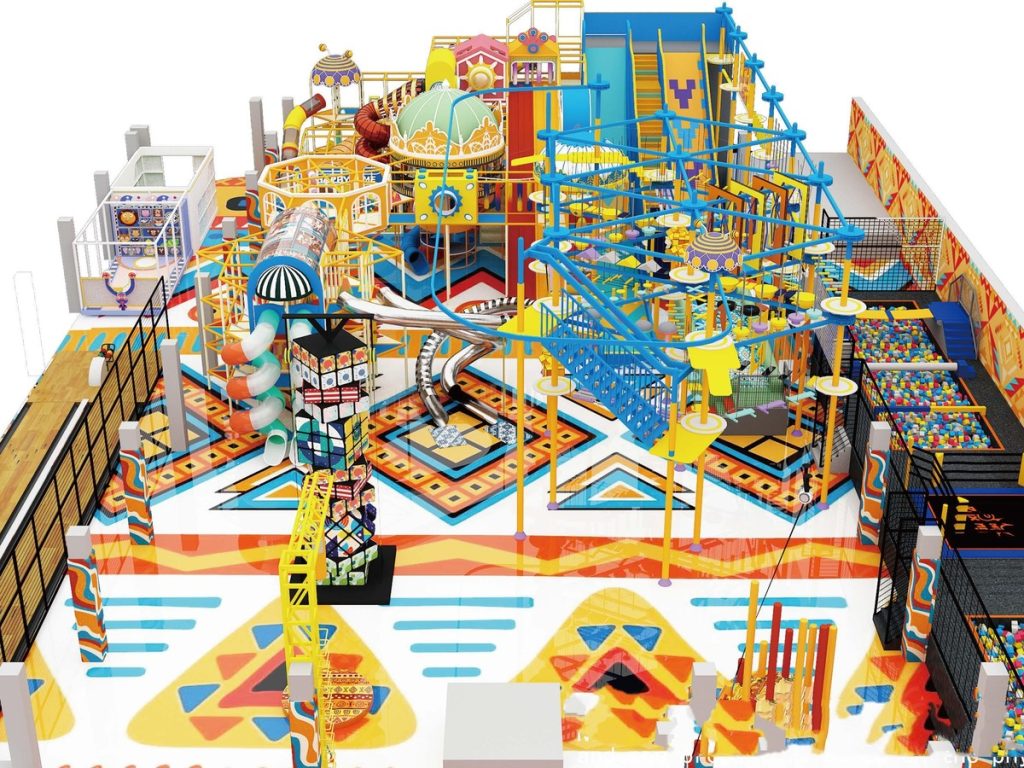
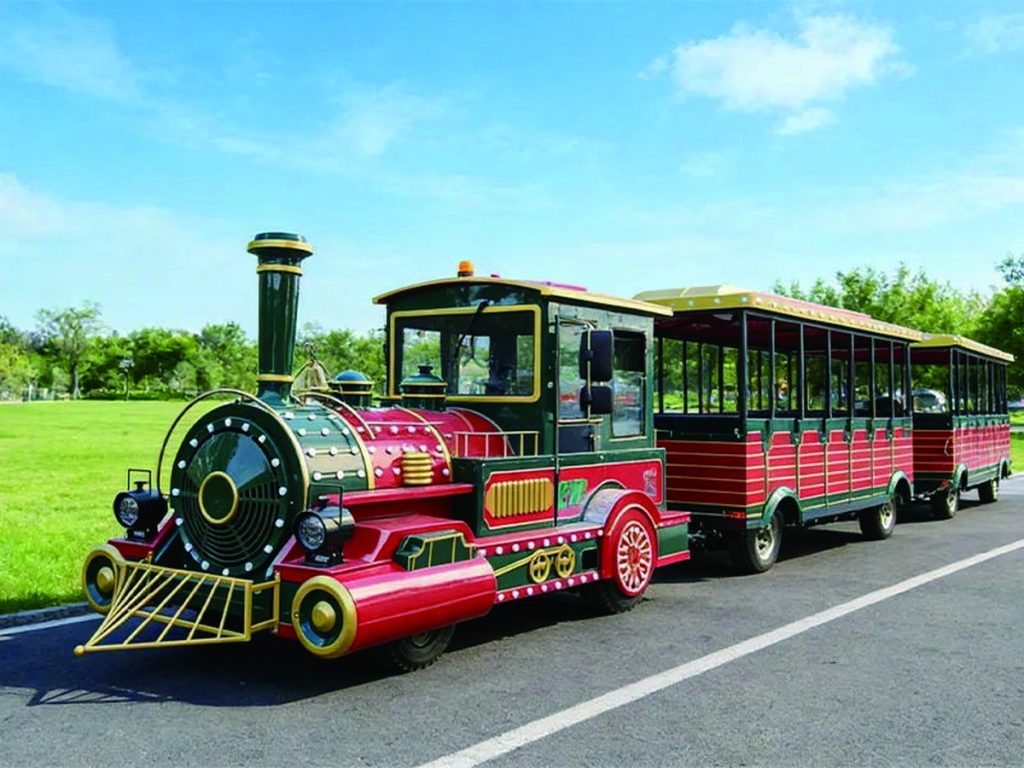
The priority lines for Southeast Asia are family rides, kids rides, transport and non-powered or low-maintenance installations, with major thrill rides reserved for destinations that can support their power and inspection demands. DINIS matches the mix to the venue model.
Case evidence is mapped to the market so buyers can see comparable projects, while recognizing that every site still requires its own site survey and standards check.
The rationale is operational: equipment that can be inspected and maintained locally keeps running longer and costs less to own, which matters most in markets where specialist support is harder to reach.
DINIS maps case evidence to Southeast Asia so a buyer can see comparable delivery before committing.
Priority lines for Southeast Asia lean toward family, kids, transport and non-powered rides that local teams can maintain.
The Southeast Asia mix is matched to the venue model, with thrill rides reserved for destinations that can support their power and inspection.
In Southeast Asia, local maintenance skills are the practical filter, and the shortlist reflects what can be kept running on site.
The Southeast Asia priority mix is guided by operational simplicity, not by the most impressive catalogue page.
Compliance, standards and documentation in Southeast Asia
Compliance in Southeast Asia depends on which standard the local authority accepts, the required document language and the inspection route. DINIS provides CE compliance documentation for applicable models, matched to the destination market.
The exact document set is matched to the project during scoping. Buyers should ask every supplier which certifications they can actually produce for the destination, not which logos they display.
For Southeast Asia, the document language is part of compliance: the operating team must be able to read the manuals it works from every day, so language is agreed during scoping rather than assumed.
The Southeast Asia documentation scope is quoted per project, not assumed from a standard pack.
In Southeast Asia, the accepted standard, document language and inspection route are fixed during scoping rather than after purchase.
For Southeast Asia buyers, asking which certification the supplier can produce for the destination is the fastest due-diligence filter.
The Southeast Asia documentation language is part of compliance, because the operating team must be able to read the manuals it uses.
In Southeast Asia, certification scope changes cost and lead time, so it is fixed before the quotation is compared.
The Southeast Asia compliance question is answered with evidence for the destination, not with a logo.
Logistics, import and delivery risk in Southeast Asia

Delivery risk in Southeast Asia sits in freight, customs, inland transport and site readiness. DINIS sequences manufacturing, export packaging, shipping and installation so the opening date is protected, and defines which civil works and local approvals remain the buyer’s responsibility.
Packaging is matched to the route and the site: containerized where possible, crated and labelled for mixed inland delivery, with spare parts consolidated to avoid holding up commissioning.
The sequence is built backwards from the target opening date, because each step has a lead time that must be confirmed rather than assumed. A schedule built the other way usually loses time at customs or on site.
In Southeast Asia, inland transport and the final site leg are planned before dispatch, so the equipment arrives ready to install.
Delivery risk in Southeast Asia sits in freight, customs and site readiness, and the schedule is built backwards from the opening date.
Packaging for Southeast Asia is matched to the inland route, with spare parts consolidated so commissioning is not held up.
The Southeast Asia delivery plan assigns an owner to every site task, so nothing is left to be discovered on arrival.
For Southeast Asia projects, the civil and approval split is written down before shipment to protect the handover date.
Procurement checklist for Southeast Asia buyers
A complete Southeast Asia brief includes the venue type, footprint, guest profile, power supply, destination standards, target opening date and budget range. Sending those together returns a qualified shortlist and a realistic schedule.
Before committing, confirm the total scope: foundation guidance, installation supervision or remote review, training, spare parts and export packaging. Price alone will not protect the opening date.
The same checklist should be applied to every supplier, because a vendor that cannot answer each line with evidence is not comparable, regardless of the headline number.
The Southeast Asia checklist applies to every supplier, because a vendor that cannot answer each line is not comparable.
A complete Southeast Asia brief returns a qualified shortlist and a realistic schedule rather than a price list.
For Southeast Asia, the total delivery scope is documented before the headline price is compared.
The Southeast Asia checklist is the same for every vendor, including DINIS, so the comparison stays on identical fields.
For Southeast Asia buyers, confirming the total scope first protects the opening date in a way price alone cannot.
A Southeast Asia brief that names the venue, standard and opening date returns an answer that can actually be used.
Frequently asked questions about buying in Southeast Asia
Which rides suit Southeast Asia best?
Family rides, kids rides, transport and low-maintenance installations typically lead, with thrill rides reserved for venues that can support their power, inspection and maintenance.
What documentation do I need to import into Southeast Asia?
It depends on the local authority and the ride type. DINIS confirms the certification scope, material traceability and document language before comparing suppliers.
How long does delivery take in Southeast Asia?
Lead time is sequenced around manufacturing, export packaging, shipping, customs and site readiness.
Related resources
Qualified brief first