DINIS GLOBAL
Theme Parks

What the Theme Parks solution covers
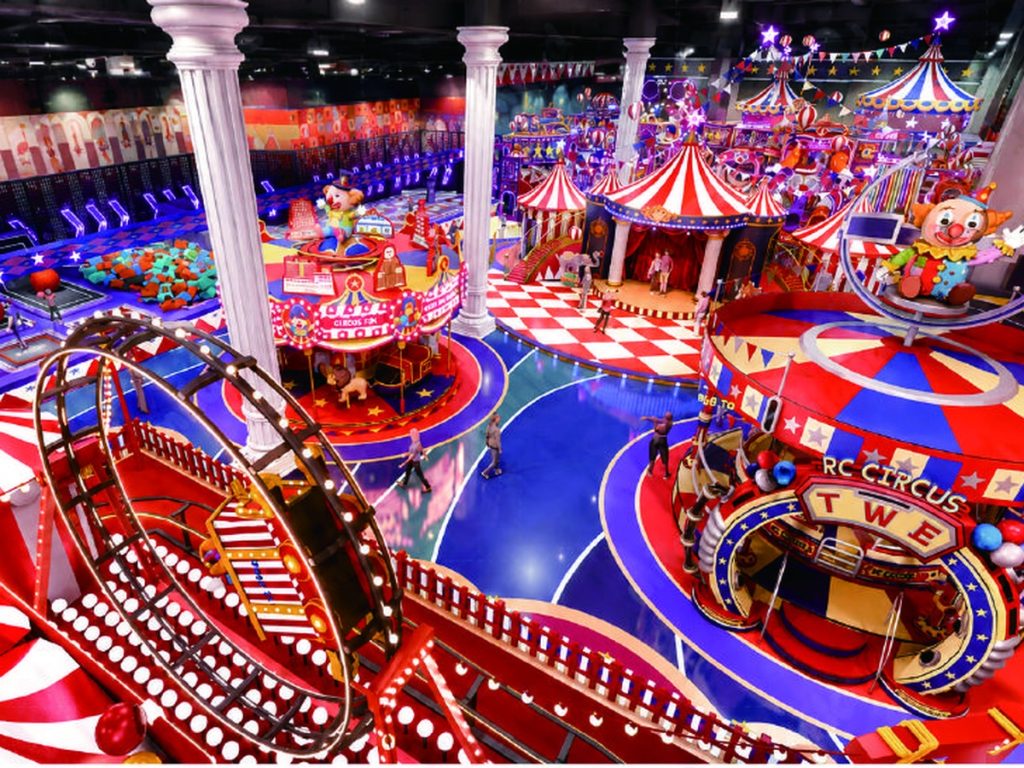
The theme parks solution is built for theme park investors, operators and cultural-tourism developers. It starts from the venue and the business objective, then resolves the attraction mix, so the result is a coherent operating day rather than a collection of rides.
DINIS positions this as a single accountable journey: discovery, planning, engineering, delivery and support. The buyer gets one party responsible for the interface between civil work, utilities, rides and documentation.
That single point of accountability is the practical difference between a solution and a product list. When the civil work, the power and the rides are scoped by one team, the interfaces stop being the buyer’s problem to discover.
For theme parks, the buyer gets a single accountable journey rather than a set of vendors to coordinate.
The theme parks solution gives one party responsibility for the interface between civil work, utilities, rides and documentation.
For theme parks projects, the single point of accountability is the practical difference between a solution and a product list.
The theme parks solution removes the coordination burden that makes mixed-vendor projects drift.
In theme parks, one accountable team means the interfaces stop being the buyer’s problem to discover.
The problem it solves
The recurring problem in theme parks is integrating dozens of rides into a coherent guest flow without over-building capacity. When rides are bought one at a time, the park inherits integration risk and the operating model is never fully resolved.
Solving it means choosing equipment around throughput, age mix and day-part behaviour first, and treating power, foundations and approvals as design inputs rather than afterthoughts.
The cost of the problem shows up late: queues that do not clear, power that cannot be upgraded in time, and documentation that does not satisfy the local authority. Resolving the mix up front removes most of that risk before money is committed.
The theme parks problem is solved by defining throughput and the mix before power and foundations, which is the opposite of a product-first approach.
In theme parks, rides bought one at a time leave the operator holding the integration risk, so the mix is resolved first.
The theme parks fix is to choose equipment around throughput and day-part behaviour before committing to foundations and approvals.
For theme parks, the operating model is resolved before the ride list, which is what prevents late rework.
The theme parks problem shows up as queues, power shortfalls and missing documentation when the mix is not planned.
How the solution is structured
The recommended structure is a ride mix engineered from land area, visitor flow, investment budget and phased expansion. Each element earns its place: a visual anchor for identity, family rides for repeatability, children’s rides for the youngest guests and circulation or transport where the venue must move people between zones.
Phasing is part of the design. A credible first phase proves the concept and generates cash flow, while later phases expand capacity without reworking the first investment.
For theme parks specifically, the structure is tuned to the venue: the anchor, the repeatable capacity and the circulation are weighted differently for a compact indoor space than for a large outdoor destination.
The theme parks structure is weighted toward a ride mix engineered from land area, visitor flow, investment budget and phased expansion, with phasing built in.
For theme parks, a visual anchor, repeatable family capacity and circulation each earn their place in the mix.
The theme parks structure is tuned to the venue, with the anchor, capacity and circulation weighted for the format.
The theme parks plan gives each element a job, so nothing is added only to fill a footprint.
For theme parks, phasing lets the first phase prove the concept before capacity is added.
Implementation and risk control
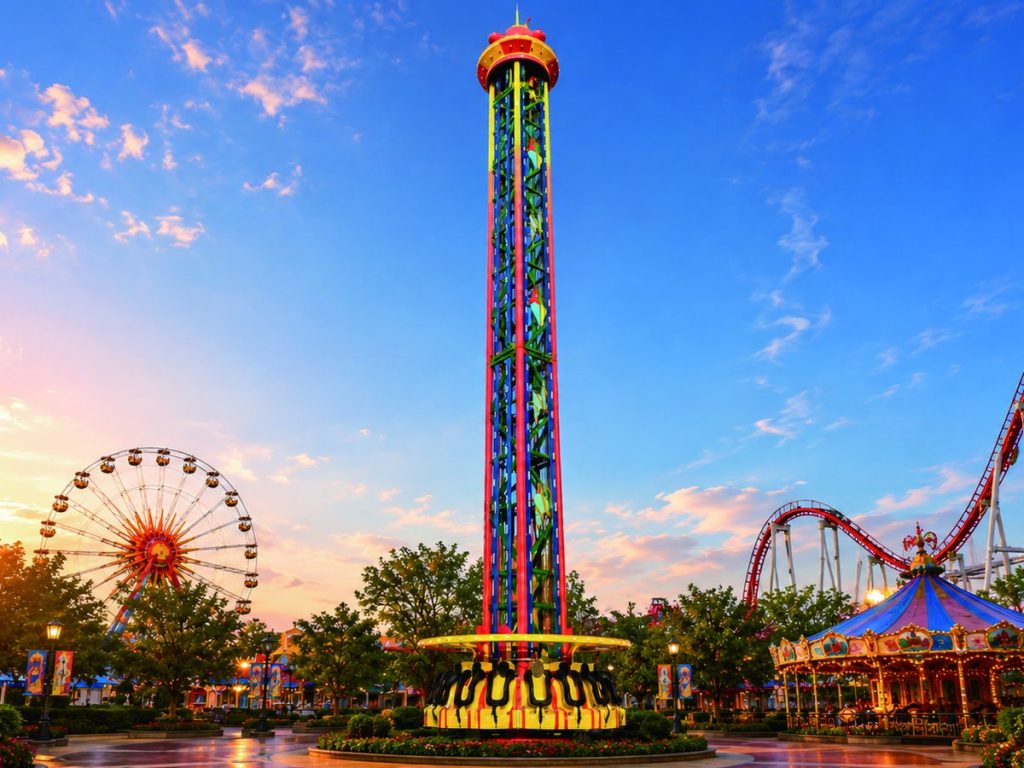
Implementation risk concentrates in power and foundation interfaces, peak-day throughput and destination standards. DINIS defines these interfaces before shipment and states which civil works, utilities and local approvals remain the buyer’s responsibility.
The delivered scope includes installation supervision or remote review, commissioning, operator training and a starting spare-parts list, so opening day does not depend on the supplier staying on site.
Defining the interfaces in writing is what keeps the schedule honest. A task that is assumed rather than assigned will surface at the worst moment, so each step has an owner and a lead time before the order is fixed.
The theme parks risk list (power and foundation interfaces, peak-day throughput and destination standards) is the first thing DINIS writes down after the brief.
In theme parks, the interfaces are defined before shipment, and the buyer tasks are stated in writing.
The theme parks scope includes supervision or remote review, commissioning, training and a starting spare-parts list.
For theme parks, writing down who does what is what keeps the schedule honest.
The theme parks implementation plan assigns an owner and a lead time to every risk before the order.
In theme parks, the delivered scope is explicit about civil works and approvals that remain with the buyer.
Before you request a quotation

Before requesting a quotation, the buyer should prepare the venue type, available footprint, guest profile, expected throughput, power supply, destination country and target opening date. A complete brief returns a qualified shortlist and a realistic schedule.
Comparing suppliers is then straightforward: compare the same fields and the total delivery scope, not the headline equipment price.
For theme parks, the brief should also name the dominant format and any phased intention, so the first quotation reflects the first phase rather than a full build the buyer may not start with.
The theme parks brief should also state the intended first phase, so the quotation reflects what the buyer will actually start with.
For theme parks, a phased first investment proves the concept and protects cash flow before capacity is added.
Comparing suppliers for theme parks means comparing the same fields and the total delivery scope, not the headline price.
The theme parks brief returns a qualified shortlist and a realistic schedule instead of a price list.
For theme parks buyers, the venue, footprint, guest profile and opening date are the inputs that change the answer.
In theme parks, the quotation is scoped to the first phase the buyer will actually start with.
Operational simplicity and lifecycle value

The long-term case for theme parks is operational simplicity. Equipment that can be inspected, maintained and staffed locally keeps running longer and costs less to own than a flagship that depends on scarce specialist support.
DINIS supports that with documentation, training and a spare-parts plan matched to the destination, which is what turns a delivered project into a sustainable business.
Lifecycle value is decided at the specification stage: accessible wear parts, trained first-line maintenance and a realistic refresh plan cost less over the asset’s life than reactive repair and long closures.
For theme parks, lifecycle value comes from documentation, training and a parts plan matched to the destination.
The theme parks case for operational simplicity is that equipment maintained locally keeps running longer and costs less to own.
For theme parks, accessible wear parts, trained first-line maintenance and a refresh plan decide the total cost of ownership.
The theme parks solution turns a delivered project into a sustainable business through documentation and support.
In theme parks, the long-term result is an operation the local team can run without the supplier staying on site.
For theme parks, lifecycle value is decided at specification, not after the first breakdown.
Questions about the Theme Parks solution
What is the first step?
Share the venue format, footprint, guest profile and target opening date. DINIS responds with a configuration review before any price discussion.
Can I start with a smaller phase?
Yes. Phased delivery is encouraged: a first phase proves the concept, then capacity is added without reworking earlier investment.
What delivery scope is included?
Foundation guidance, installation supervision or remote review, commissioning, operator training and a starting spare-parts list, with civil works and local approvals defined per project.
Related resources
Qualified brief first
Send the footprint, guest profile and opening date.
Matching attractions
Equipment for this format.

Theme Park Ride Master Plan
Site-specific master plan covering children, family, thrill, observation and non-powered zones. The package is engineered from land area, visitor flow, investment budget and pha…
View specification →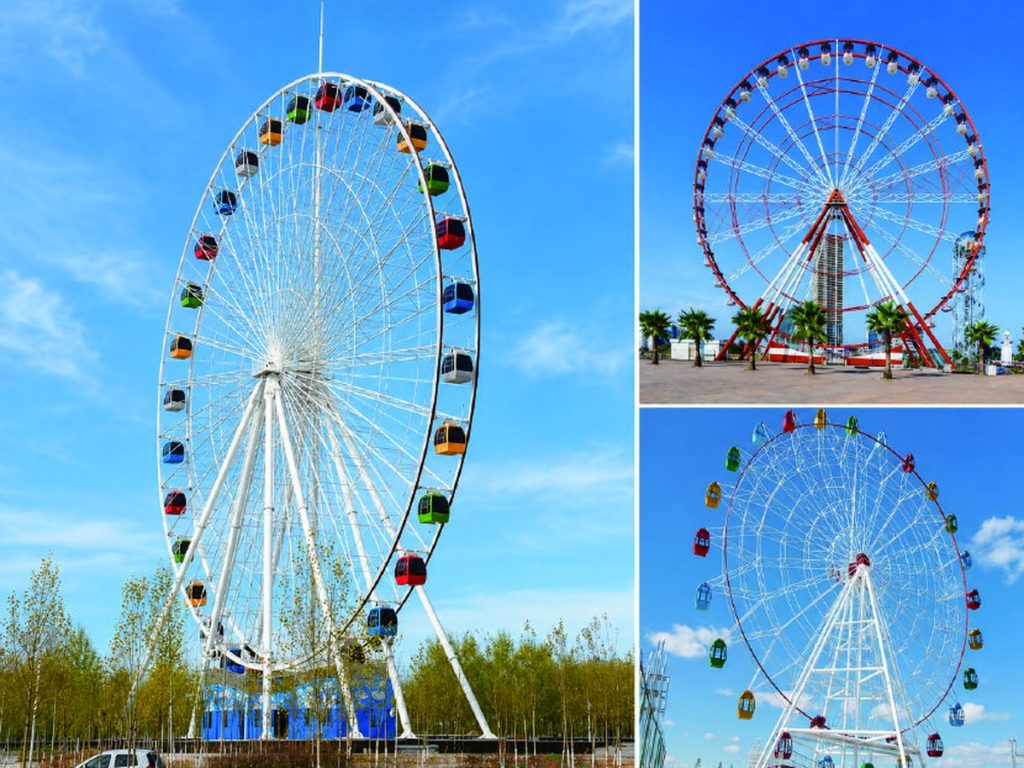
Scenic Area Amusement Solution
Configured for 10,000-50,000 m2 scenic sites. The mix combines observation, family, children, photo-friendly and phase-two expansion equipment with low-impact site planning.
View specification →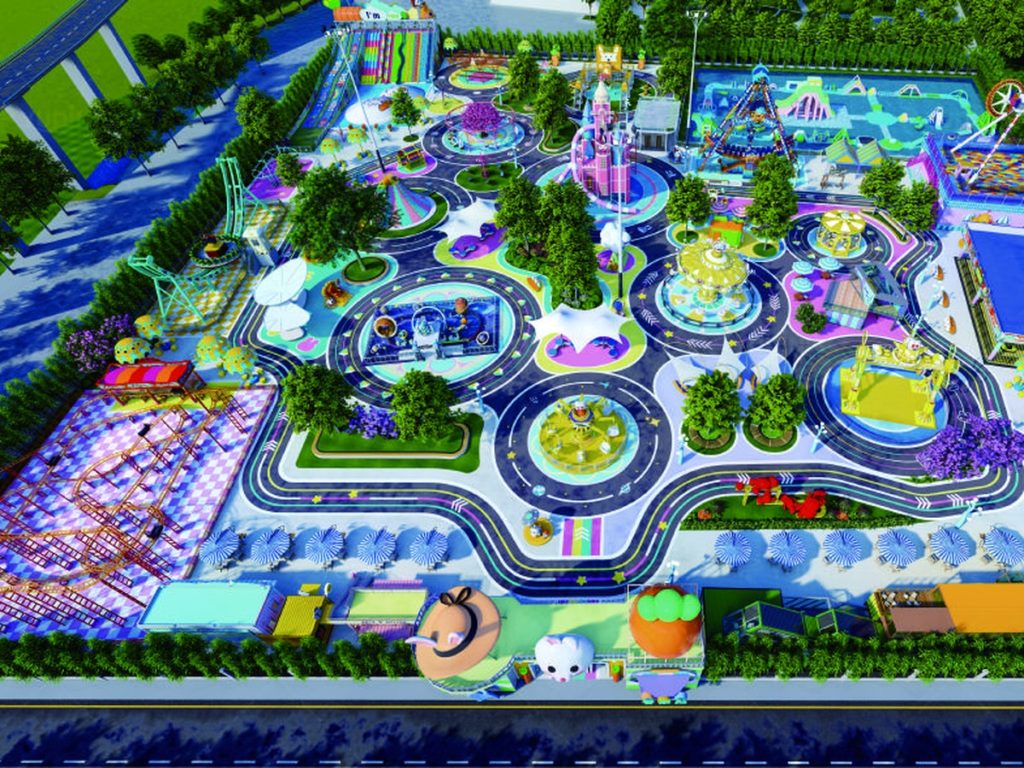
Family Entertainment Park Equipment Package
Recommended for 1,000-10,000 m2 family entertainment venues. The package is tiered by budget and balances parent-child, family and mild-thrill attractions.
View specification →
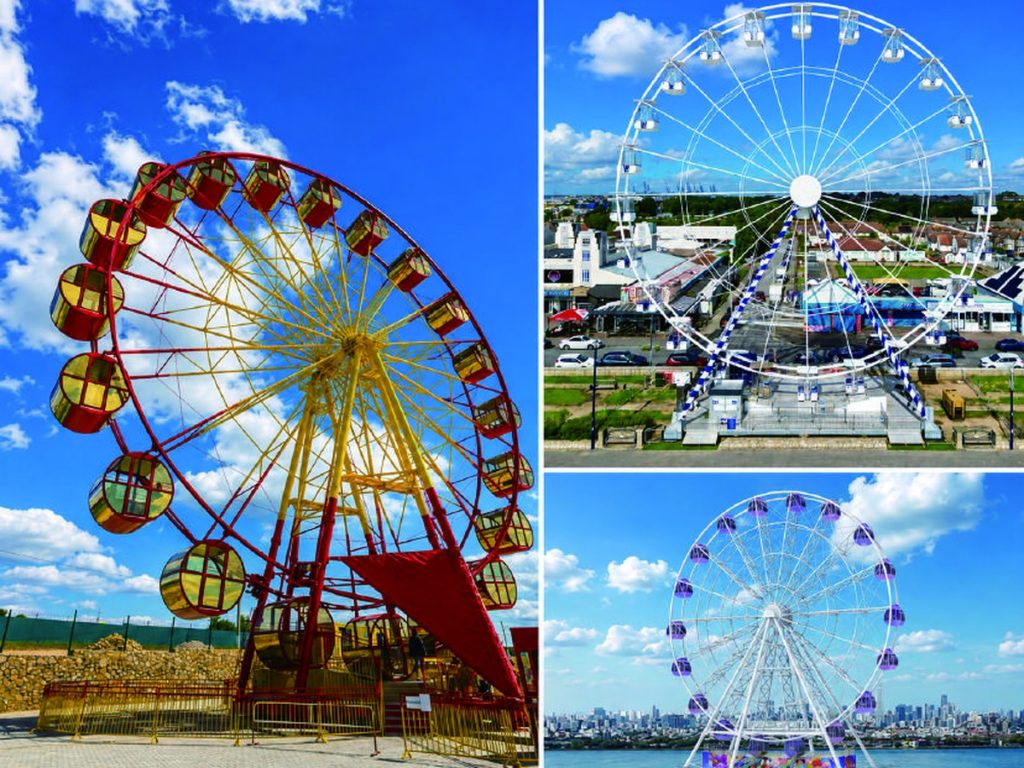
Ferris Wheel
Common heights from 20 m to 88 m and project-specific options to 120 m. Cabin quantity, LED lighting, drive system and foundation are engineered to the site.
View specification →
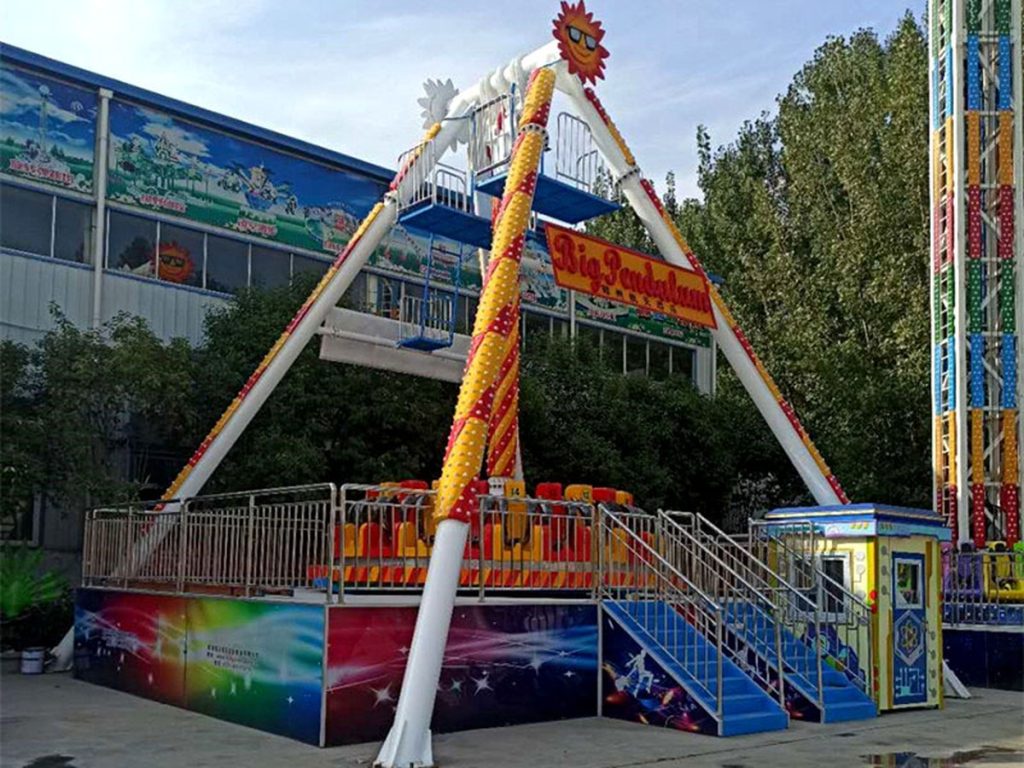
Pendulum Ride
42-seat reference configuration; static height 18.8 m and dynamic height 28 m; swing angle +/-110 degrees; approximately 305 kW; footprint about 25 m x 21 m; theoretical through…
View specification →
Flying Tower
65 m reference height; operating height approximately 52 m; 36 passengers; approximately 9.8 rpm; approximately 250 kW; requires foundation and wind-load verification.
View specification →
Free Fall Tower
63 m reference height; footprint approximately 15 m x 15 m; 32 passengers; approximately 520 kW; safety brake and PLC control system.
View specification →
Family Roller Coaster
Track length, train count and height are site-configurable for family speed ranges. Steel track with FRP body; suitable for theme parks, children's parks, scenic areas and outdo…
View specification →