
Insights & guides
Safety Documentation and the Buyer’s Due Diligence Process
Due diligence starts before the order

Safety due diligence is the process of verifying that a ride can be documented, certified, operated and inspected in the destination market. It starts before the order and continues across the asset’s life.
A buyer who treats due diligence as a final check has already taken the risk. The right time to verify is while comparing suppliers, when the evidence is cheap to request.
Due diligence starts before the order and continues for the life of the asset. Waiting until the final check means the risk has already been taken, when the evidence is cheapest to request.
At the procurement stage, the plan only becomes reliable once this item has an owner and a lead time. The key is to write this down as a step the site team can execute, rather than leave it as a general intention.
For the operating team, the right answer follows from the site and the standard, not from a catalogue entry. The same check should be applied to every supplier a buyer compares.
When comparing suppliers, the plan only becomes reliable once this item has an owner and a lead time. It is matched to the destination standards and the delivered scope before the order is fixed.
The evidence to request

Request the certification scope for the destination, the design standards used, material traceability, factory test records, the installation scope and the operator manuals. Ask which of these the supplier can produce for your territory, not which logos it displays.
The exact document set varies by ride type and local authority, so the request should be specific to your project rather than a generic list.
The evidence request is specific: certification scope for the destination, design standards, traceability, test records, installation scope and operator manuals in the working language.
On site, the key is to write this down as a step the site team can execute, rather than leave it as a general intention. DINIS treats this as a verification step, and the evidence is checked before anything is committed.
For project planning, the plan only becomes reliable once this item has an owner and a lead time. The guidance is kept concrete so a buyer can act on it before the first call.
Operationally, getting this right early protects the opening date and the budget. This is the kind of detail that separates a documented delivery from one that is discovered on site.
Put simply, DINIS treats this as a verification step, and the evidence is checked before anything is committed. The key is to write this down as a step the site team can execute, rather than leave it as a general intention.
Standards vary by territory
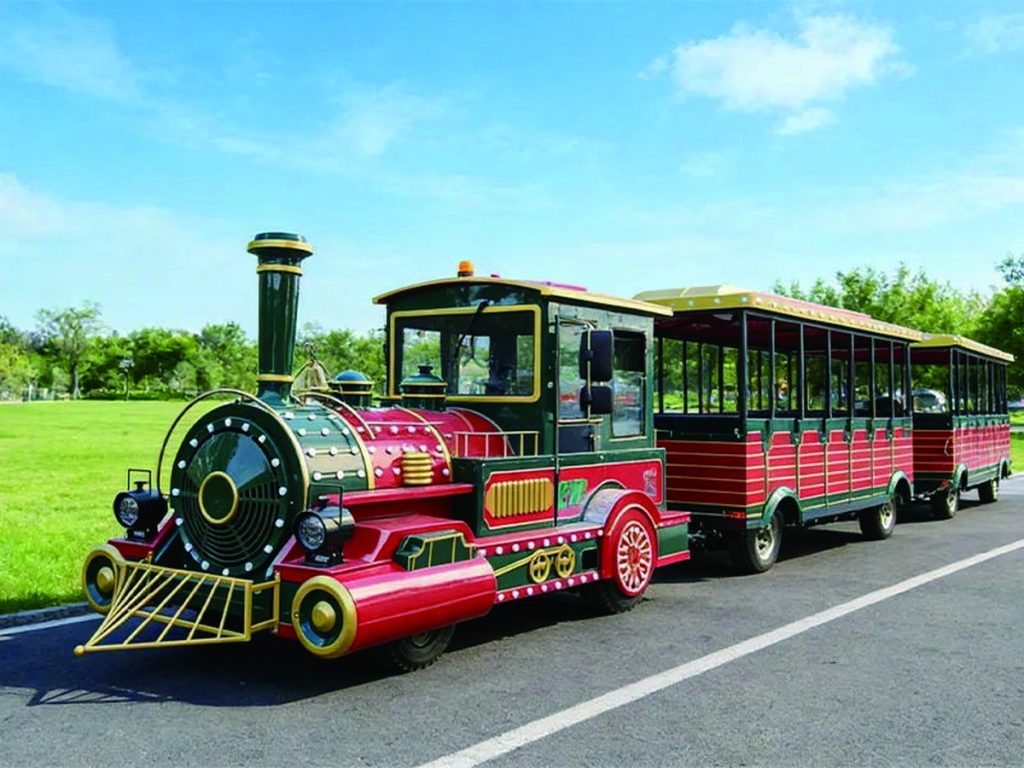
CE compliance documentation applies to the applicable models, and the standard the local authority will accept is the one that matters for the destination market.
Document language is part of due diligence too: the operating team must be able to read the manuals it works from every day.
Standards vary by territory, so the one the local authority accepts is the one that matters, and it is confirmed early rather than argued about at the port.
When comparing suppliers, the plan only becomes reliable once this item has an owner and a lead time. It is matched to the destination standards and the delivered scope before the order is fixed.
In practice, the key is to write this down as a step the site team can execute, rather than leave it as a general intention. The plan only becomes reliable once this item has an owner and a lead time.
At the procurement stage, the same check should be applied to every supplier a buyer compares. The guidance is kept concrete so a buyer can act on it before the first call.
For the operating team, the right answer follows from the site and the standard, not from a catalogue entry. The same check should be applied to every supplier a buyer compares.
Factory testing and traceability

Quality is visible in records rather than asserted in marketing language. Material traceability, weld and structural inspection, and pre-shipment checks should be documented, with the results travelling with the machine.
Ask how the supplier releases a ride from the factory and what evidence follows it to the site, because that continuity is what an inspector expects to see.
Factory testing and traceability make quality visible in records. The data that released the machine travels with it, which is what an inspector expects to see.
Operationally, it is matched to the destination standards and the delivered scope before the order is fixed. The same check should be applied to every supplier a buyer compares.
Put simply, the plan only becomes reliable once this item has an owner and a lead time. The right answer follows from the site and the standard, not from a catalogue entry.
On site, getting this right early protects the opening date and the budget. The same check should be applied to every supplier a buyer compares.
For project planning, this is the kind of detail that separates a documented delivery from one that is discovered on site. Getting this right early protects the opening date and the budget.
Installation, commissioning and training

Due diligence extends to the handover: commissioning checks, safety-device verification, a trial-operation period and operator training. The scope should state which civil works and local approvals remain the buyer’s responsibility.
A supplier that defines these interfaces in writing is reducing the project’s biggest single risk.
Due diligence extends to handover: commissioning checks, safety-device verification, a trial period and operator training, with the civil and approval split stated in writing.
For project planning, DINIS treats this as a verification step, and the evidence is checked before anything is committed. The right answer follows from the site and the standard, not from a catalogue entry.
On site, it is matched to the destination standards and the delivered scope before the order is fixed. The page keeps this explicit because it is the step where projects most often drift.
Put simply, DINIS treats this as a verification step, and the evidence is checked before anything is committed. The key is to write this down as a step the site team can execute, rather than leave it as a general intention.
Operationally, the guidance is kept concrete so a buyer can act on it before the first call. The plan only becomes reliable once this item has an owner and a lead time.
Ongoing diligence after opening

After opening, diligence becomes routine: dated inspections, a spare-parts history and a maintenance calendar that support the next annual inspection and any recertification.
Choose a supplier that supports that lifecycle, and the due diligence you did before the order keeps paying back for the life of the ride.
After opening, diligence becomes routine, and choosing a supplier that supports the lifecycle keeps the pre-order evidence paying back for years.
Qualified brief first
For the operating team, it is matched to the destination standards and the delivered scope before the order is fixed. The plan only becomes reliable once this item has an owner and a lead time.
At the procurement stage, DINIS treats this as a verification step, and the evidence is checked before anything is committed. It is matched to the destination standards and the delivered scope before the order is fixed.
In practice, the guidance is kept concrete so a buyer can act on it before the first call. The same check should be applied to every supplier a buyer compares.
When comparing suppliers, DINIS treats this as a verification step, and the evidence is checked before anything is committed. Getting this right early protects the opening date and the budget.