
Insights & guides
Family Entertainment Centers: Balancing Repeat Visits with Operational Simplicity
Repeat visits are the business model
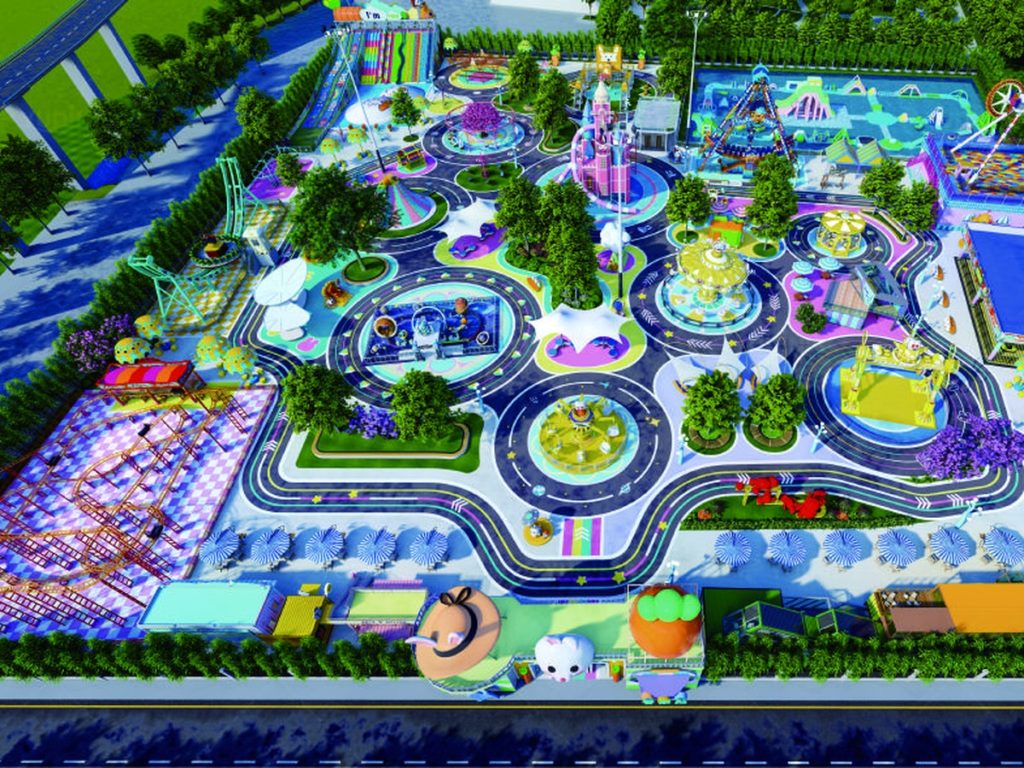
An FEC is not a one-visit landmark; it is a repeat-visit business. The mix, the pricing and the operations must all point at the same goal: make today’s visit good enough that the family returns, and make tomorrow’s visit easy to deliver.
That is why operational simplicity is not a cost-cutting preference but a revenue decision. A venue that is hard to run will eventually close on the days it most needs to be open.
Repeat visits are the business model, so the mix, the pricing and the operations all point at the same goal: make today’s visit good enough to return and tomorrow’s visit easy to deliver.
At the procurement stage, the page keeps this explicit because it is the step where projects most often drift. Getting this right early protects the opening date and the budget.
For the operating team, it is matched to the destination standards and the delivered scope before the order is fixed. The plan only becomes reliable once this item has an owner and a lead time.
When comparing suppliers, the page keeps this explicit because it is the step where projects most often drift. The guidance is kept concrete so a buyer can act on it before the first call.
Design for a lean team

FECs are usually run by lean teams, so every ride should have clear daily checks, accessible wear parts and a realistic training load. Equipment that depends on scarce specialist support will underperform exactly when it is busiest.
Prefer rides with simple, documented operating routines and parts that can be inspected and replaced by the team you can actually roster.
A lean team needs equipment with clear daily checks, accessible wear parts and a realistic training load. Equipment that depends on scarce support will underperform when it is busiest.
On site, the key is to write this down as a step the site team can execute, rather than leave it as a general intention. DINIS treats this as a verification step, and the evidence is checked before anything is committed.
For project planning, DINIS treats this as a verification step, and the evidence is checked before anything is committed. The right answer follows from the site and the standard, not from a catalogue entry.
Operationally, the right answer follows from the site and the standard, not from a catalogue entry. DINIS treats this as a verification step, and the evidence is checked before anything is committed.
The mix that earns returns
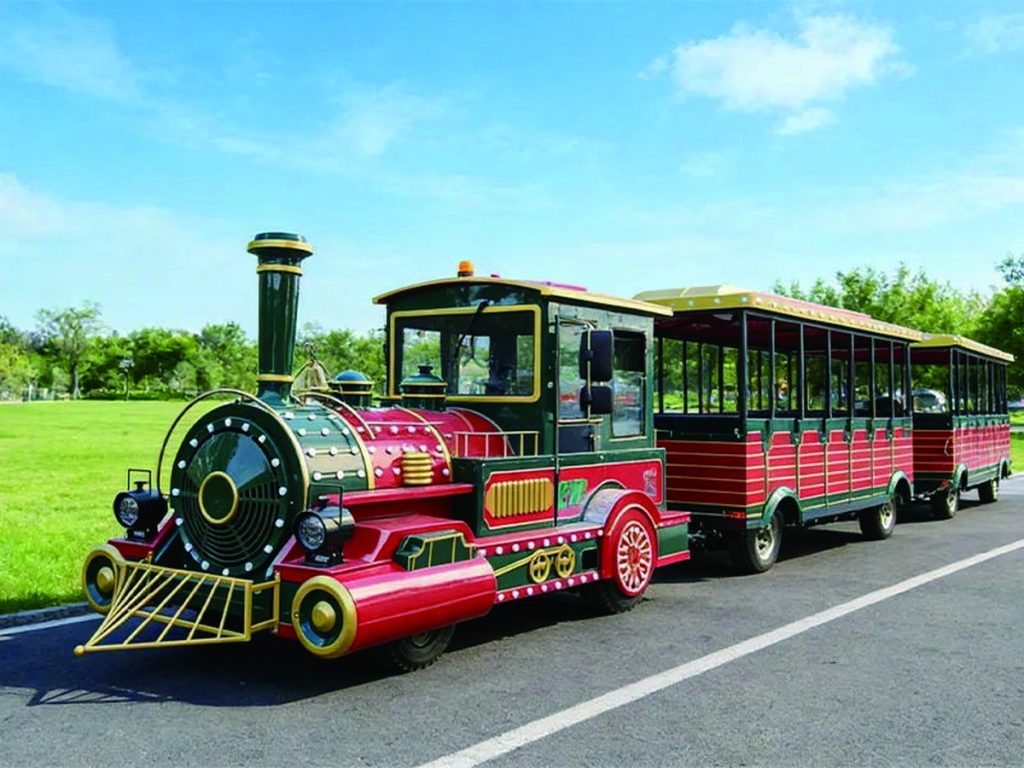
Repeat visits come from a mix that gives every generation a role and gives the day enough variety to justify coming back. Family and interactive rides provide repeatable capacity, while a small signature piece gives the venue its identity.
Avoid a mix that serves only one age group, because a visit that works for one child and bores the rest of the family does not repeat.
The mix earns returns by giving every generation a role and the day enough variety to justify coming back, while avoiding a single-audience mix that bores the rest of the family.
When comparing suppliers, DINIS treats this as a verification step, and the evidence is checked before anything is committed. Getting this right early protects the opening date and the budget.
In practice, the guidance is kept concrete so a buyer can act on it before the first call. The same check should be applied to every supplier a buyer compares.
At the procurement stage, the plan only becomes reliable once this item has an owner and a lead time. The key is to write this down as a step the site team can execute, rather than leave it as a general intention.
Throughput without queue misery

Repeat visits also depend on how the queues feel. Practical throughput, clear boarding and balanced capacity across the mix keep guests moving, which reads as good management and shortens the perceived wait.
Plan capacity for the peak day you intend to serve, and let the mix absorb the rush rather than funnel everyone into one bottleneck.
How the queues feel is part of repeat business. Practical throughput and balanced capacity keep guests moving and shorten the perceived wait, which reads as good management.
Operationally, the guidance is kept concrete so a buyer can act on it before the first call. The plan only becomes reliable once this item has an owner and a lead time.
Put simply, this is the kind of detail that separates a documented delivery from one that is discovered on site. The guidance is kept concrete so a buyer can act on it before the first call.
On site, the key is to write this down as a step the site team can execute, rather than leave it as a general intention. DINIS treats this as a verification step, and the evidence is checked before anything is committed.
For project planning, the plan only becomes reliable once this item has an owner and a lead time. The guidance is kept concrete so a buyer can act on it before the first call.
Maintenance that protects the calendar
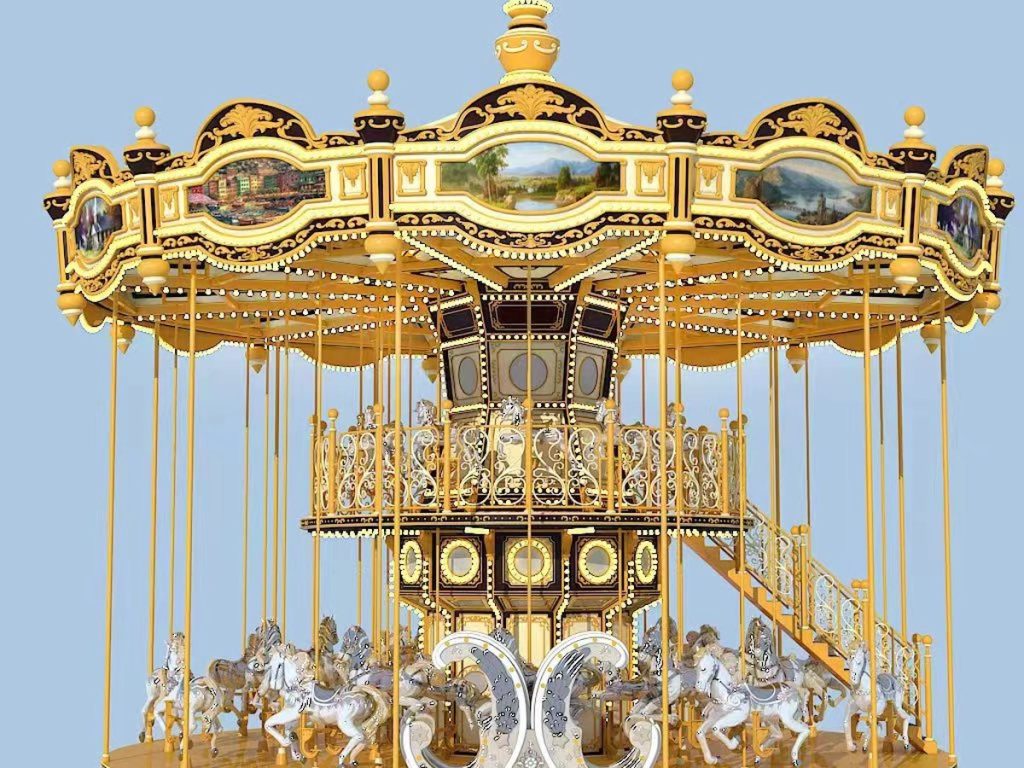
A documented inspection routine and a realistic spare-parts plan protect the operating calendar. An unplanned closure on a weekend costs more than the part that caused it, and it teaches guests to go elsewhere.
Map which parts to hold locally and which to reorder on a schedule, so annual inspection is a planned event rather than a surprise.
A documented inspection routine and a realistic parts plan protect the operating calendar, because an unplanned weekend closure costs more than the part and teaches guests to go elsewhere.
For project planning, DINIS treats this as a verification step, and the evidence is checked before anything is committed. The right answer follows from the site and the standard, not from a catalogue entry.
On site, it is matched to the destination standards and the delivered scope before the order is fixed. The page keeps this explicit because it is the step where projects most often drift.
Put simply, the page keeps this explicit because it is the step where projects most often drift. It is matched to the destination standards and the delivered scope before the order is fixed.
Operationally, the guidance is kept concrete so a buyer can act on it before the first call. The plan only becomes reliable once this item has an owner and a lead time.
Keep the offer fresh

Operational simplicity also makes refresh possible. When the base operation is stable, the venue can add a themed overlay, a new interactive element or a seasonal event without reworking the whole site.
Start with the operating model and the brief, and choose equipment that can grow with the business instead of locking it in.
When the base operation is stable, a themed overlay, a new interactive element or a seasonal event becomes possible without reworking the site, which is how the offer stays fresh.
Qualified brief first
For the operating team, the key is to write this down as a step the site team can execute, rather than leave it as a general intention. This is the kind of detail that separates a documented delivery from one that is discovered on site.
At the procurement stage, the plan only becomes reliable once this item has an owner and a lead time. The key is to write this down as a step the site team can execute, rather than leave it as a general intention.
In practice, getting this right early protects the opening date and the budget. The page keeps this explicit because it is the step where projects most often drift.